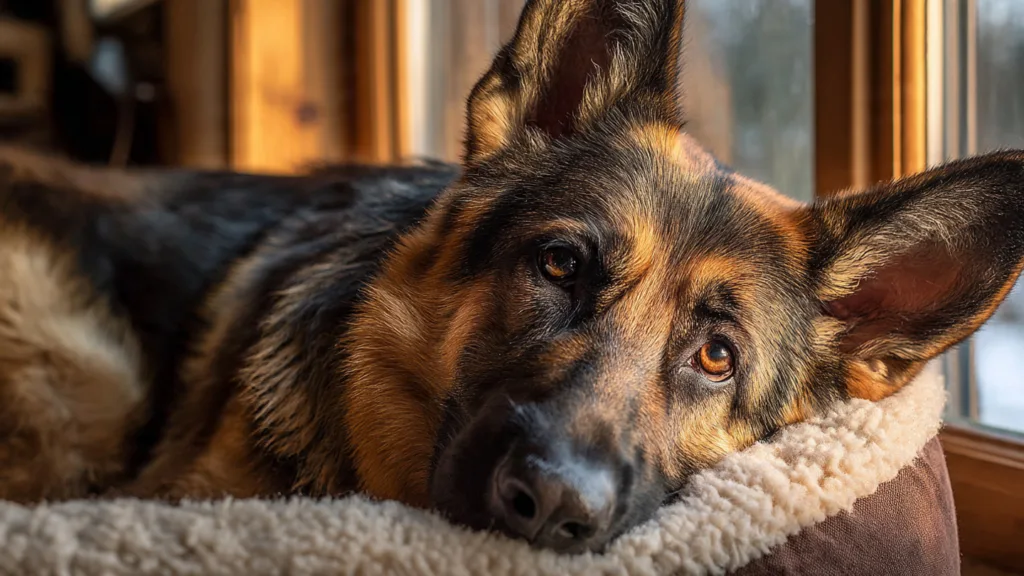
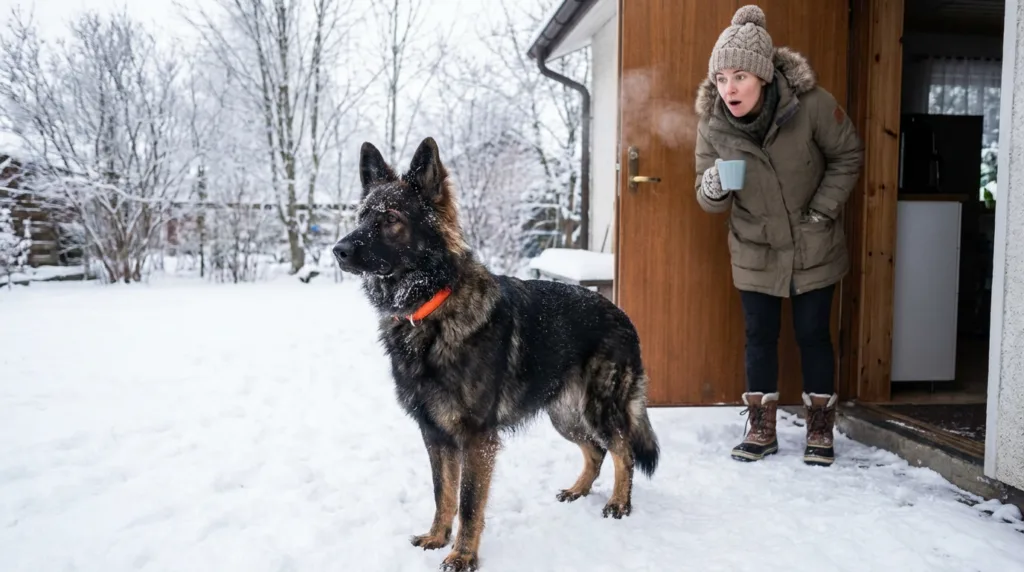
You watch your German Shepherd bolt into the backyard on a frosty morning, gleefully plowing through snowdrifts before curling up for a nap on the cold patio instead of their plush bed. It makes you wonder: Do German Shepherds actually like cold weather?
The answer is a resounding yes, most German Shepherds are naturally inclined to enjoy and thrive in cooler temperatures. This isn’t just a quirky preference; it’s woven into their very DNA. However, “like” is different from “are impervious to.” Understanding the balance between their breed instincts and their individual comfort is key to being a great owner.
Let’s dive into the fascinating German Shepherd winter behavior and explain what drives their cold preference.
The Cold-Weather Blueprint: Instincts from History & Genetics
To understand the modern German Shepherd, look to their past. Developed in Germany in the late 19th century, they were bred as all-purpose farm and herding dogs, tasked with working long hours in Central Europe’s variable, often chilly climate. This heritage granted them specific traits:
- The Legendary Double Coat OF German Shepherds: This is their superpower. The dense, weather-resistant outer guard hairs and thick, wooly undercoat create a superb insulating barrier. It traps warm air close to the body and sheds moisture. This coat literally makes them built for cooler weather.
- High-Energy Metabolism: As a working breed, GSDs have a high drive and energy output, which generates substantial body heat. Cooler weather helps them regulate this temperature more efficiently during activity.
- Wolf Ancestry Echoes: Their lupine ancestors were adapted to survive harsh winters. While domesticated, Shepherds retain some of that hardy physiology and a behavioral appreciation for crisp, cool air.
Decoding the “Snow Zoomies”: Common Cold-Weather Behaviors
Your Shepherd’s actions are the best clues to their german shepherd cold preference. Positive behaviors in the cold include:
- The Obvious Joy: Playful “zoomies,” rolling in snow, and a general increase in playful, energetic behavior.
- Seeking Cool Spots: Choosing to sleep on tile floors, in drafty hallways, or directly on the snow instead of their warm bed.
- Improved Focus & Comfort: Appearing more relaxed, settled, and less panting during walks compared to hot, humid weather.
- Increased Activity Appetite: Seeming more willing to engage in longer play sessions or walks.
These behaviors strongly indicate that, for them, the cold is stimulating and comfortable.
Instinct vs. Comfort: When “Bred for It” Meets “Too Cold”
While their instincts draw them to the cold, they are not polar bears. There is a critical line where enjoyment turns into endurance. Their comfort depends on key factors:
| Factor | Why It Matters |
|---|---|
| Individual Acclimation | A GSD from Arizona will have a different tolerance than one from Michigan. Their undercoat thickens in response to sustained cold exposure. |
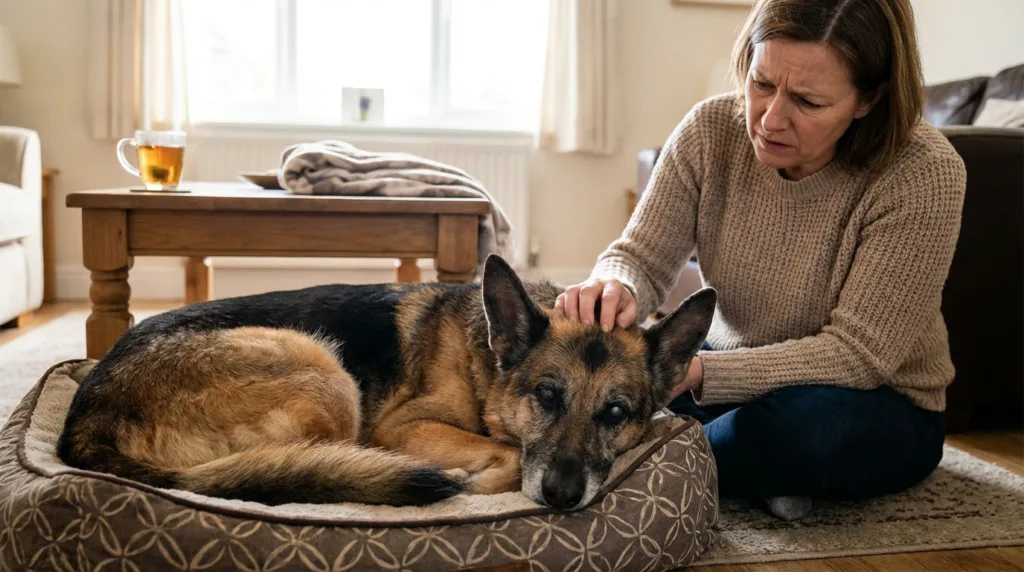
| Age & Health | Puppies, seniors, and dogs with arthritis or illnesses (like hip dysplasia) lose body heat faster and feel the cold more acutely. |
| Coat Quality | A poorly nourished dog or one with an endocrine issue may have a thin, underdeveloped coat. Some GSDs simply have a lighter natural coat. |
| Wind, Dampness & Duration | A wet coat from rain or snow loses insulation. Wind chill is a massive factor. Even a cold-loving dog can become hypothermic if exposed to harsh elements too long. |
How to Tell If YOUR German Shepherd Personally Likes the Cold
Forget generalities. Your dog will tell you. Observe their german shepherd winter behavior closely:
Signs They ARE Enjoying It:
- Initiating play, running, exploring.
- Relaxed body posture, normal ear position.
- Willingly staying outside and resisting coming in.
Signs They Are Getting TOO Cold (Time to Go In!):
- Persistent shivering (some brief excitement shivering is normal).
- Whining or anxious pacing toward the door.
- Holding paws up repeatedly or becoming reluctant to walk.
- Curling up tightly in a ball to conserve heat, seeking wind shelters.
- Slowing down significantly or appearing stiff.
Fostering Safe Cold-Weather Enjoyment
If your GSD is a winter enthusiast, you can cultivate that joy safely:
- Embrace the Adventure: Engage in fun cold-weather activities like scent games in the snow or short, brisk hikes.
- Protect the Paws: Use paw wax or booties to guard against ice, salt, and chemical de-icers that can cause burns and cuts.
- Dry Them Off: Always towel-dry their coat (especially the undercoat) and paws after snowy or wet outings.
- Provide Optional Warmth: Even snow-lovers appreciate a warm, draft-free bed to return to. It’s about giving them a choice.
- Monitor Time & Conditions: You are the ultimate judge. In extreme cold (below 20°F/-7°C) or wet/windy conditions, limit exposure regardless of their enthusiasm.
The Bottom Line: A Breed Built for Cool, But an Individual at Heart
So, do German Shepherds like cold weather? Their breed history, physiology, and most of their behaviors shout a hearty “YES.” The cold aligns with their energy, their coat, and their working spirit.
However, the most important answer comes from your own dog. By respecting their powerful instincts and paying close attention to their individual comfort signals, you can ensure your German Shepherd enjoys the winter season to its fullest—safely and happily. After all, there’s nothing more heartwarming than watching a content, snow-dusted Shepherd, living their best cold-weather life.