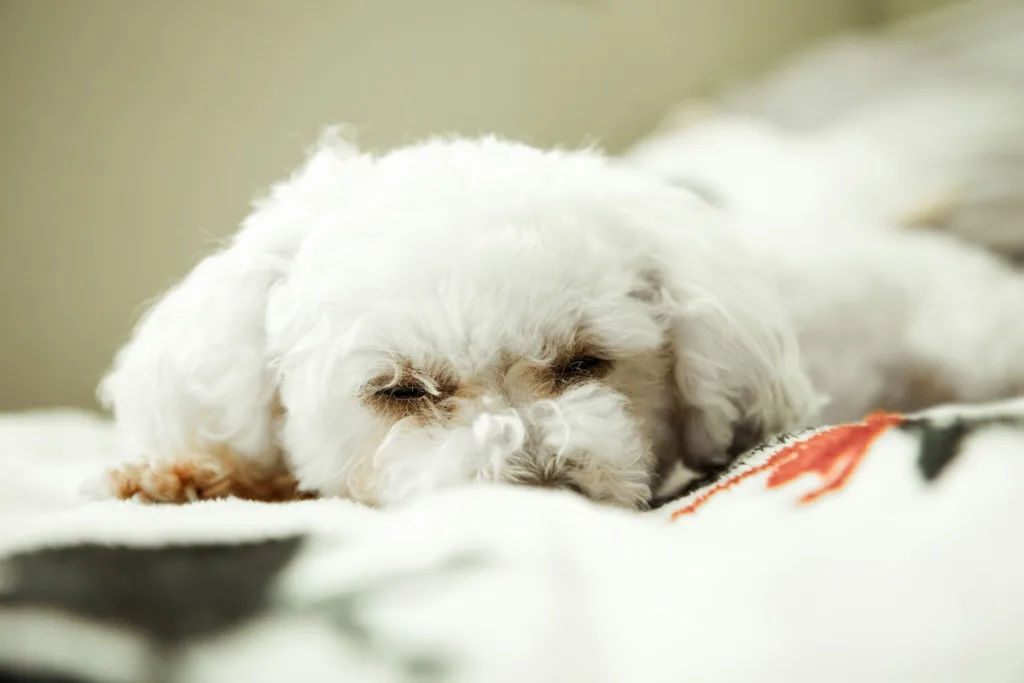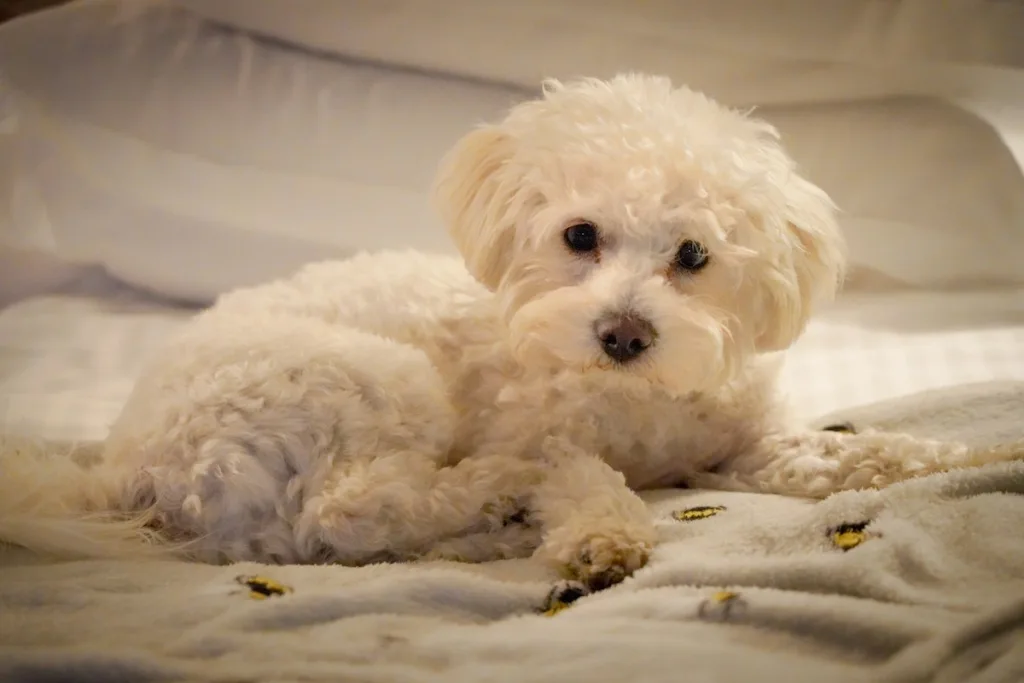
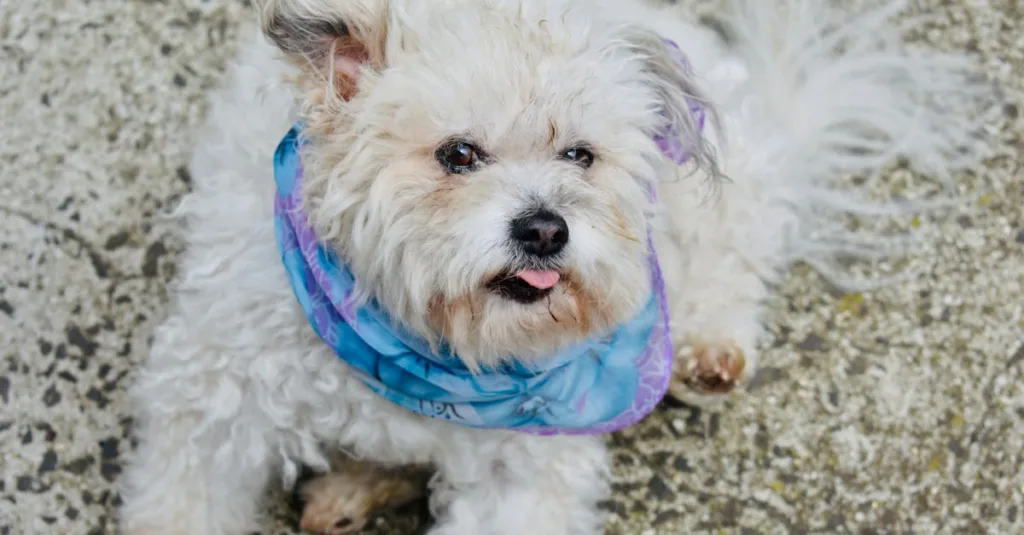
Is Your Maltese Shivering? Your Guide to Winter Warmth
Hey there, fellow Maltese lover! If you’re reading this, you probably have a little cloud of white fur curled up somewhere nearby. I’ve been sharing my life with these charming, spirited dogs for years, and if there’s one thing I’ve learned, it’s that their delicate frames are no match for winter’s chill. That gorgeous single-layer coat is more for show than for serious insulation. When the temperature drops, our job is to step in as their personal heating managers. Winter, with its cold snaps, dry indoor heat, and lazy days, brings a unique set of challenges for a Bichon Maltais chiot or even a seasoned adult. Let’s walk through the top signs your pup is cold and exactly how to turn their winter from “brrr” to “ahhh.”
❄️ Quick Reality Check: Why Maltese Dogs Feel the Cold
Before we dive in, let’s remember their design: they’re companion dogs, bred for laps in Mediterranean climates, not for trekking through snow. They have hair, not fur, which grows continuously but doesn’t have a thick, warm undercoat. Puppies and seniors are especially vulnerable because they can’t regulate their body temperature as well.
5 Unmistakable Signs Your Maltese is Too Cold
Our dogs can’t say “I’m freezing,” but their bodies shout it. Here’s what to watch for, beyond the obvious shiver.
1. The “Tucked & Tight” Posture
This is the classic sign. A cold Maltese will try to conserve every bit of body heat. You’ll see them:
- Curling into a tight ball, nose tucked to tail.
- Tucking their paws tightly underneath their body, avoiding contact with the cold floor.
- Hunching their back and looking generally “closed up.”
Concrete Example: My boy, Leo, does this the moment he steps onto the cold kitchen tile from the warm rug. He becomes a little white pom-pom with eyes!
2. Reluctance to Move or Go Outside
Is your usually playful pup suddenly acting like a stubborn mule when it’s time for a walk? Or do they follow you from room to room but refuse to leave their cozy bed? This isn’t always laziness. Cold can make muscles stiff and joints ache, especially in older dogs. A Bichon Maltais chiot might just find the sensation of cold ground or air plain unpleasant and confusing.
3. Whining, Anxiety, or Pacing
Sometimes, discomfort manifests as behavioral change. A dog that’s cold and can’t get comfortable might whine softly, pace back and forth, or seem generally restless and anxious. They’re searching for a warm spot but can’t settle.
My Experience: On particularly cold nights before I upgraded her bed, my girl Sophie would pace beside the couch, whine a little, and stare at me until I lifted the blanket for her to burrow under.
4. Cold Ears, Chest, and Paws
Your hands are the best diagnostic tool. Feel the insides of their ears, their chest (under the fluff), and their paw pads.
- Ears/Chest: Should feel warm to the touch. If they feel cool or cold, your dog is losing core heat.
- Paws: Icy paws are a sure sign. Also check between the toes for tiny ice balls or dried salt after a walk.
5. Seeking Heat Sources Relentlessly
This is a big one in winter. Your Maltese will become a heat-seeking missile. They’ll park themselves directly in front of heating vents, curl up on top of electronics (like cable boxes or laptops), burrow deep under blankets, or insist on being in your lap 24/7. They’re solving the problem themselves!
🐾 Pro Tip: The Bed Test
If you’re unsure if their bed is warm enough, press the back of your hand against the bedding surface in their usual sleeping spot for a full minute. If it feels cool or cold to you, it’s definitely too cold for your Maltese’s delicate body.
Your Action Plan: Warming Up Your Fluffy Friend
Spotting the signs is step one. Step two is taking smart, effective action. Here’s your game plan.
Layer Up with Fashion & Function
Sweaters and coats aren’t just adorable; they’re essential winter gear.
- Indoors: A simple, soft sweater or fleece can make all the difference in a drafty or cooler home.
- Outdoors: Opt for a waterproof or water-resistant coat that covers from neck to tail. For a Bichon Maltais chiot, ensure it fits snugly without restricting movement.
Fit is Key: It should not chafe under the arms or impede potty breaks.
Protect Those Paws
Paw care is non-negotiable. Sidewalk salt and chemical de-icers are painful and toxic.
| Problem | Solution |
|---|---|
| Ice & Snow Balls | Keep hair between paw pads trimmed short. |
| Salt & Chemicals | Use dog-safe ice melt. Rinse paws with warm water after every walk. |
| Cold Surfaces | Invest in well-fitting dog boots for walks. If they hate boots, use a protective paw wax or balm. |
Optimize Their Sleeping Den
Ditch the open, flat bed. Create a warm cave-like environment.
- Choose an enclosed bed (like a cave or igloo style) or a bed with high, bolstered sides.
- Add a self-warming mat (which reflects their body heat) or, for older dogs, a safe, chew-proof heated pad.
- Use soft, warm blankets they can nest in. Fleece is a favorite.
Manage Indoor Heating & Humidity
Winter heating creates dry air, which can irritate their skin and respiratory system.
- Consider a humidifier near their favorite resting area.
- Ensure their bed isn’t directly in the blast of a heat vent or fireplace, which can cause overheating and dry out their skin.
- Provide constant access to fresh water to combat dehydration.
Adjust Exercise & Potty Routines
Accept the baisse d’activité (drop in activity).
- Shorter, more frequent walks are better than one long, cold one. Go out during the warmest part of the day.
- Create indoor play sessions to keep them moving: gentle fetch in a hallway, hide-and-seek with treats, or short training sessions for mental stimulation.
- For potty breaks, clear a small patch of grass or use a potty pad on a covered balcony if it’s brutally cold. Puppies have less tolerance.
Bonus Advice: The “Snuggle Factor” & When to Worry
Never underestimate the power of your body heat. Cuddling with your Maltese is one of the most effective and bonding ways to warm them up. Let them under the blanket with you for a movie marathon—it’s mutual therapy!
⚠️ When to Call the Vet
While most froid (cold) issues are solved at home, be vigilant. Contact your veterinarian if you notice:
- Persistent shivering that doesn’t stop even when they’re in a warm environment.
- Lethargy, weakness, or disorientation.
- Signs of respiratory distress (coughing, labored breathing).
- Any signs of frostbite on ears, tail, or paws: pale, gray, or blue skin that turns red and swollen when warmed. This is an emergency.
It’s always better to err on the side of caution, especially with a tiny chiot.
Winter with a Maltese can be absolutely cozy and magical. By reading their subtle signals and creating a warm, safe environment, you’re not just combating the cold—you’re deepening the trust and bond with your best furry friend. They rely on us for everything, and keeping them warm is one of the most fundamental ways we show our love.
What’s the one winter hack that your Maltese absolutely loves? Do they have a favorite sweater or a special snuggle spot? Share your stories below!