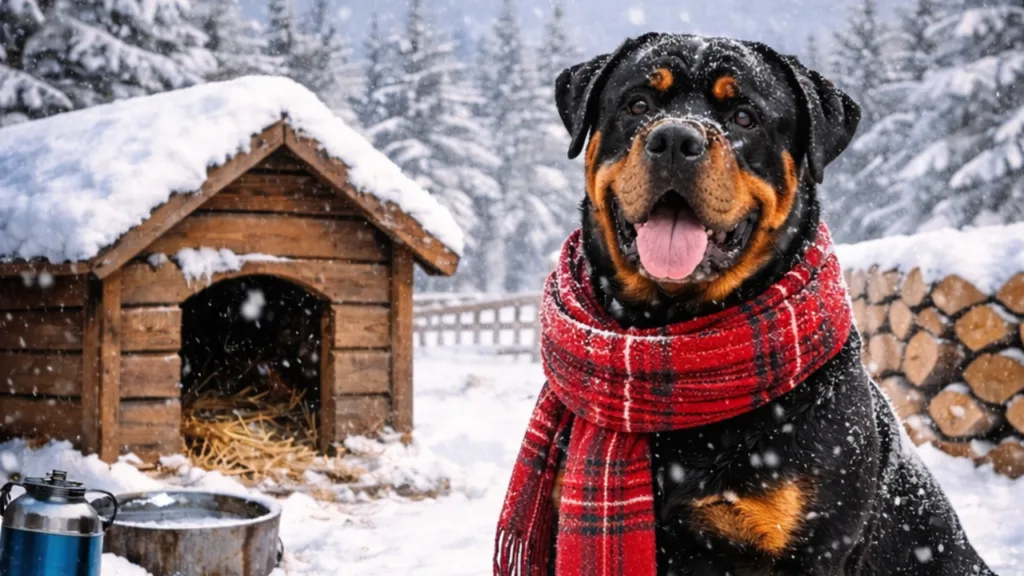
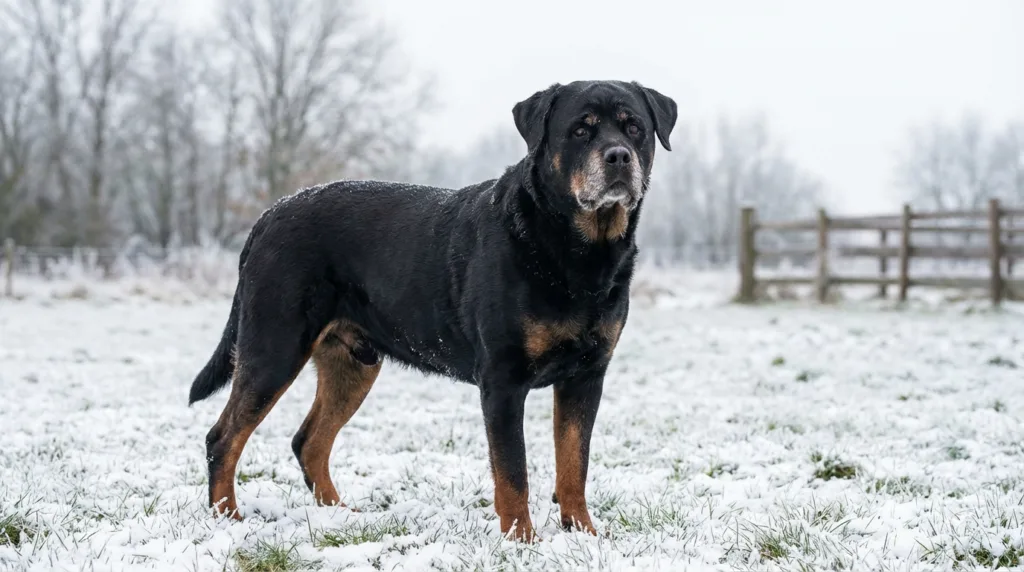
My Rottweiler Seems Cold! What Should I Do?
Hey there, fellow Rottie lover. I’ve been where you are – watching your powerful, loyal companion shiver or act uncomfortable when the temperature drops. It’s a worrying sight, especially since we often think of these dogs as tough as nails. First things first, take a deep breath. You’re not overreacting. While Rottweilers have a double coat, they are not immune to cold, especially in a harsh winter, if they’re young, old, or not acclimated. Spotting the signs and taking action is what a great owner does. Let’s walk through this together, step by step.
Recognizing the Chill: Is Your Rottweiler Actually Cold?
Before we jump into solutions, let’s confirm what we’re dealing with. Dogs, like people, show they’re cold in specific ways. Your Rottweiler might not whine, so you need to be a bit of a detective.
- 🫤 Obvious Shivering or Trembling: This is the big one. If those powerful muscles are quivering, they’re using energy to generate heat.
- 🥶 Seeking Warmth: Is he constantly burrowing into blankets, pressing against heaters, or trying to get inside more than usual?
- 😟 Anxious or Whining Behavior: A cold dog can seem restless or may vocalize more.
- 🙅 Reluctance to Move: He might hesitate to go outside, walk stiffly, or lift his paws off the cold ground.
- 🛌 Curling Up Tight: Sleeping in a very tight ball to conserve body heat is a classic sign.
Pay extra-close attention to Rottweiler puppies. Their little bodies haven’t mastered temperature regulation yet, and their puppy fat doesn’t insulate as well as an adult’s muscle. A chilly puppy is a serious matter.
Your Action Plan: Warming Up Your Rottweiler
Okay, you’ve spotted the signs. Now, let’s get your buddy comfortable. Think of it in layers: from immediate relief to longer-term comfort.
Immediate Warm-Up Steps
- Bring Them Inside: This is step one. Get them into a warm, draft-free room. Don’t place them right in front of a roaring fireplace or heater – gradual warming is key to avoid shock.
- Dry Them Off: If they’re wet from snow or rain, towel dry them thoroughly. Pay special attention to the paws and belly.
- Cozy Bedding: Provide a thick, insulated bed off cold floors (like tile or concrete). Elevate it if you can. Pile on some soft blankets they can burrow into.
- Snuggle Time: Your body heat is a fantastic warmer. Curling up with them under a blanket is therapeutic for both of you!
Winter Gear & Home Adjustments
For winter walks or if your house tends to be cool, a little gear goes a long way.
| Solution | Why It Works for a Rottweiler |
|---|---|
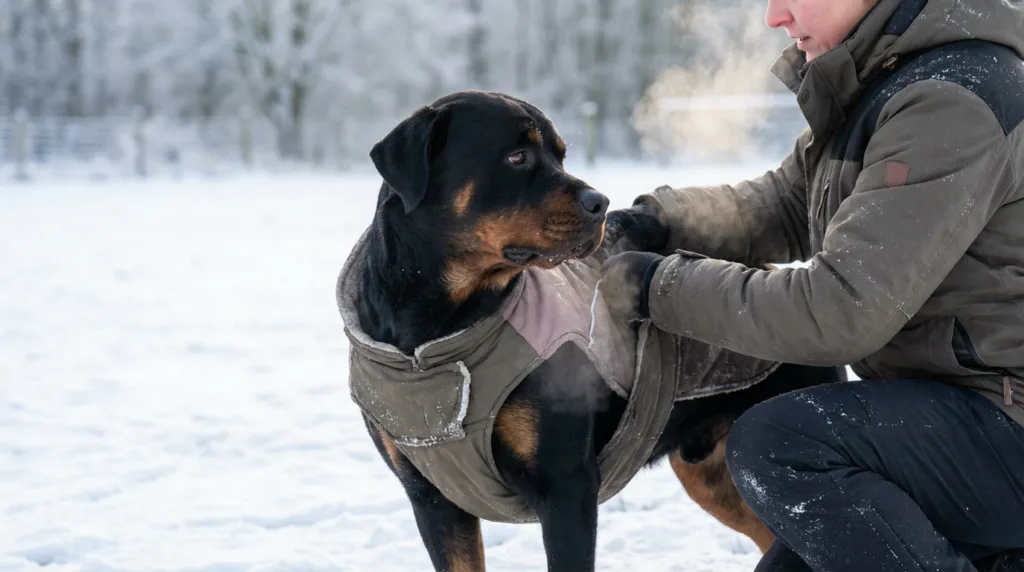
| Insulated Dog Coat/Sweater | Protects their core (chest and back), where vital organs are. Great for short-haired areas and senior dogs. Look for water-resistant materials. |
| Paw Protection | Booties guard against ice, salt, and chemical de-icers that can burn and cause dryness. They also provide insulation from frozen ground. |
| Home Heating Zone | Ensure their favorite resting spot isn’t in a draft. A pet-safe heated bed or a nearby space heater (on a low, supervised setting) can create a warm sanctuary. |
| Adjust Walks & Play | Opt for shorter, more frequent walks during the warmest part of the day. Indoor play (like tug-of-war or hide-and-seek with toys) replaces long outdoor sessions. |
When It’s More Than Just a Chill: Time to Call the Vet
Most cold episodes are solved with warmth and TLC. But sometimes, it can be a sign of something deeper. Contact your veterinarian promptly if you notice:
- Shivering that continues even after they’ve been in a warm environment for 30-60 minutes.
- Extreme lethargy, weakness, or disorientation.
- Pale or blue-ish gums.
- Signs of pain or distress when walking (could be ice cuts or frostbite on paws).
- Any coughing or labored breathing after being in the cold.
It’s always better to err on the side of caution. Hypothermia is a real risk, especially for puppies, seniors, or dogs with health issues.
Prevention: Keeping Your Rottie Cozy All Winter Long
The best solution is to stop the cold from being a problem in the first place. A little prep makes winter enjoyable for both of you.
- Nutrition is Fuel: Dogs burn more calories to stay warm. Talk to your vet about whether a slight increase in high-quality food is right for your dog, especially if they’re active outdoors.
- Maintain the Coat: Keep brushing! A mat-free coat traps air and insulates much better. Do not shave your Rottweiler in winter.
- Create a Routine: Stick to a predictable schedule for meals, potty breaks, and indoor play. This reduces stress and helps them conserve energy.
- Hydrate Indoors: Ensure they drink plenty of water. Winter air is dry, and heated homes can cause dehydration.
Seeing your strong Rottweiler bothered by the cold reminds us they rely on us for their well-being, just as much as we rely on them for companionship and protection. By tuning into their signals and creating a warm, safe environment, you’re not just solving a problem – you’re strengthening that incredible bond you share. Winter doesn’t have to be a season of worry; it can be a time for cozy naps and fun indoor games.
What’s your Rottweiler’s favorite way to stay warm on a chilly day? Do they have a go-to blanket or a special spot by the heater? Share your stories below! 👇