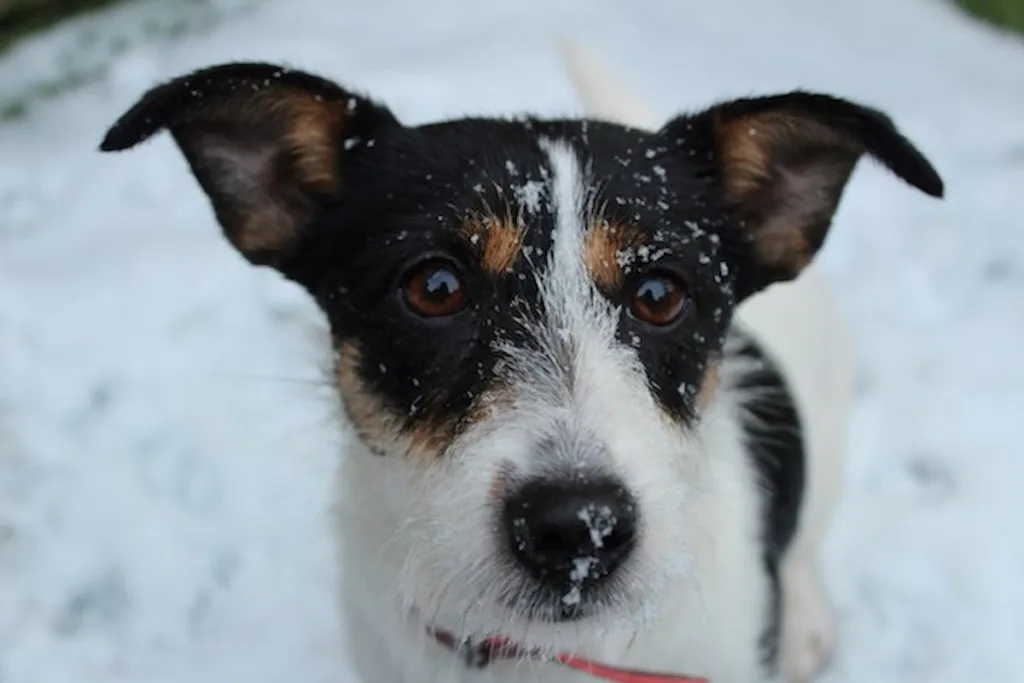
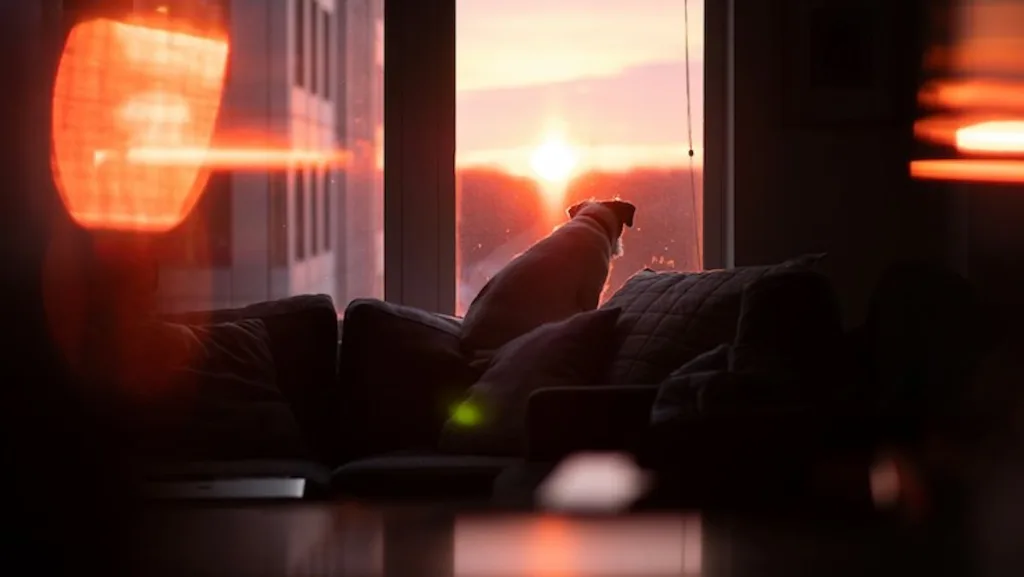
Winter Woes: Is Your Jack Russell Really Built for the Cold?
Hey there, fellow Jack Russell enthusiast! 👋 If you’re like me, you’ve spent countless hours laughing at your JRT’s antics, marveling at their boundless energy, and maybe even cursing their stubborn streak (we’ve all been there). But when winter rolls in with its frosty mornings and bitter winds, a common question pops up: “Is my little firecracker actually cold?” You might see them shivering on a walk or curling into a tiny ball on the couch and wonder. Having shared my life with these fearless dynamos for years, I can tell you—yes, they absolutely feel the cold. Despite their tough attitude, they’re not polar bears. Let’s talk about how to keep your Jack Russell terrier, whether a seasoned senior or a bouncy jack russell chiot (puppy), safe, warm, and happy all winter long.
Quick Reality Check: A Jack Russell’s short, smooth coat offers minimal insulation. Their low body fat and small size (most are under 18 pounds!) mean they lose body heat much faster than larger, double-coated breeds. That “tough terrier” persona doesn’t include a built-in winter parka.
Why Your Jack Russell Feels the Chill: It’s More Than Just Temperature
Understanding why they get cold is the first step to fixing it. It’s not just about the number on the thermometer.
1. The Coat Conundrum
Most Jack Russells have a short, smooth, single-layer coat. It’s great for shedding dirt but terrible for trapping warmth. Even the “broken” or “rough” coated varieties don’t have a true insulating undercoat like a Husky. Think of it as wearing a thin t-shirt in a snowstorm.
2. Size and Energy Matters
They’re small! A lower body mass-to-surface-area ratio equals faster heat loss. Plus, these dogs are metabolism machines. When winter leads to a baisse d’activité (drop in activity) due to bad weather or shorter walks, they generate less internal heat. A bored, stationary Jack Russell is a cold Jack Russell.
3. Age is a Big Factor
This is crucial. A jack russell chiot hasn’t fully developed its ability to regulate body temperature. Senior Jacks often have arthritis, which is worsened by the cold, and may have slower metabolisms. Both extremes need extra TLC.
4. Home Environment Surprises
Your chauffage (heating) can create tricky microclimates. Drafty floors near doors, big single-pane windows, or even the spot directly under a heating vent can be uncomfortable. They might seek heat dangerously close to space heaters or fireplaces, too.
Your Step-by-Step Winter Warmth Plan
Don’t worry, keeping your terrier toasty isn’t complicated. It’s about layering strategies, just like you do for yourself.
Step 1: Gear Up for the Great Outdoors
Invest in quality apparel. This isn’t a fashion statement; it’s functional.
- A Good Coat: Look for one that covers from the neck to the base of the tail and has a warm lining. Water-resistant is a bonus for slushy snow.
- Paw Protection: Ice, salt, and chemical de-icers are brutal on paws. Use dog booties or a protective wax balm applied before each walk. After the walk, wipe their paws clean to prevent them from licking off harmful chemicals.
- Shorter, More Frequent Walks: Instead of one long, chilly adventure, opt for two or three shorter potty/play walks. This is especially key for jack russell chiot puppies with limited bladder capacity.
Step 2: Transform Their Indoor Den
Their home base needs to be a cozy retreat.
- Upgrade the Bed: Get them a bed with raised sides or an igloo-style bed that traps body heat. Place it away from drafts and cold floors (tile, concrete).
- Embrace Blankets: Jack Russells are famous burrowers. Give them a soft blanket in their bed and on the couch. You’ll likely find them neatly tucked under it.
- Manage Home Heating: If you use a space heater or have a fireplace, use a safety gate. Their curiosity can lead them too close to a singe.
Step 3: Adjust Food & Activity (Carefully!)
This one requires a vet’s guidance, but generally:
- Don’t Automatically Increase Food: If your dog’s activity level plummets in hiver (winter), extra food will just lead to weight gain. However, if you’re maintaining vigorous outdoor play (like in a secure, snowy yard), they may burn more calories to stay warm. Talk to your vet.
- Indoor Brain Games are Key: Fight the baisse d’activité with indoor fun. Hide-and-seek with treats, puzzle toys, short training sessions (5-10 minutes), or even setting up a small indoor obstacle course can tire them out mentally and keep them warm through movement.
| Signs Your Jack Russell is Too Cold | What to Do Immediately |
|---|---|
| Violent, persistent shivering | Bring them inside immediately. Dry them off if wet, and wrap them in a warm (not hot) blanket. |
| Whining or anxious behavior | They’re communicating discomfort. Cut the walk short and head home. |
| Lifting paws off the ground repeatedly | Their paws are freezing or hurt from ice/salt. Carry them if you can, or use booties next time. |
| Seeking hidden spots, curling tightly | They’re trying to conserve heat. Provide a warmer bed/blanket in a draft-free zone. |
Pro Tips from a Seasoned Owner
Puppy Priority: A jack russell chiot is extra vulnerable. They can’t tell you they’re cold as clearly. I always used a snug-fitting puppy sweater indoors if the house felt chilly, and potty training in winter meant lightning-fast trips outside, followed by big cuddles to rewarm.
Bedtime Ritual: In the deepest winter, I’d throw my guy’s blanket in the dryer for 5 minutes before bed. Placing it warm (not hot) in his crate was the ultimate luxury—he’d dive right in with a happy grunt.
Check Those Ears & Belly: After a walk, feel their ears and the skin on their belly. If they’re cold to the touch, they got too chilled. Shorten the next walk.
When to Stop Guessing and Call the Vet
Trust your gut. You know your dog best. Call your veterinarian if you notice:
- Lethargy or weakness that doesn’t improve once they’re warm.
- Any signs of respiratory distress (coughing, labored breathing) after being in the cold.
- Pale or blue-tinged gums (a sign of poor circulation or hypothermia).
- Signs of pain or stiffness when moving, which could be arthritis flaring up in the cold.
It’s always better to be safe and get professional advice.
Wrapping Up: Warm Dog, Happy Heart
Seeing your vibrant Jack Russell subdued by the froid (cold) is a tough sight. But with a little preparation—the right gear, a cozy indoor setup, and some adjusted routines—you can beat the winter blues together. Remember, your goal isn’t to bubble-wrap them, but to manage their environment so their spirited personality can still shine through, even on the frostiest day. Winter can be a time for cozy bonding, quiet indoor games, and watching them dream by the fire after a brisk, well-protected walk.
What’s your Jack Russell’s favorite way to stay warm in the winter? Do they have a special sweater they love, or a hilarious burrowing habit? Share your stories below! 🐾❄️