Your Cocker Spaniel and Winter: A Complete Guide to Keeping Them Cozy
Hey there, fellow Cocker lover! If you’re reading this, you’re probably looking out your window at a frosty scene and wondering how your furry best friend is handling the drop in temperature. I’ve been through many winters with my Cockers, from bouncy puppies to dignified seniors, and I can tell you—they feel the cold more than you might think. Those beautiful, floppy ears and that silky coat aren’t always enough against a biting winter wind. This guide is all about understanding why your Cocker gets cold and, more importantly, exactly what you can do to make sure they’re safe, warm, and happy all season long. Let’s dive in.
🐾 Quick Takeaway: Your Cocker Spaniel is a companion breed, bred for comfort and closeness. They are not built like a Husky! Paying attention to their comfort in the cold isn’t just pampering—it’s essential care for their health and happiness.
Why Is My Cocker Spaniel So Sensitive to the Cold?
First things first, it’s not in your head. Your Cocker might start shivering on a walk that feels just “brisk” to you. Here’s why:
1. That Gorgeous Coat Isn’t Always Enough
While Cockers have a decent double coat (a softer undercoat and a longer topcoat), it’s not uniformly thick. Their belly, chest, and the inside of their legs have much thinner hair, making those areas vulnerable to cold drafts and dampness. If their coat is trimmed short for grooming, they lose a lot of that natural insulation.
2. Low-to-the-Ground Build
Think about it: their belly is much closer to the cold ground, snow, and icy puddles than ours is. On a winter walk, they’re not just experiencing the air temperature—they’re getting a full-body chill from the frozen surface.
3. Puppies and Senior Dogs Are Extra Vulnerable
This is crucial. A cocker spaniel chiot (puppy) hasn’t fully developed its ability to regulate body temperature. They lose heat fast. On the other end, older Cockers may have arthritis that’s aggravated by the cold, less fat for insulation, or weaker circulation. Both age extremes need extra TLC.
4. Health Conditions Can Play a Role
Conditions like hypothyroidism, which is not uncommon in the breed, can make a dog less able to generate and retain body heat. If your Cocker seems excessively cold all the time, a vet check is a smart move.
Your Step-by-Step Winter Action Plan
Don’t worry, keeping your Cocker warm is straightforward once you know what to do. Here’s your game plan, from inside your home to the great outdoors.
Step 1: Master the Indoor Environment
Your home is their sanctuary. Here’s how to winterize it for your pup:
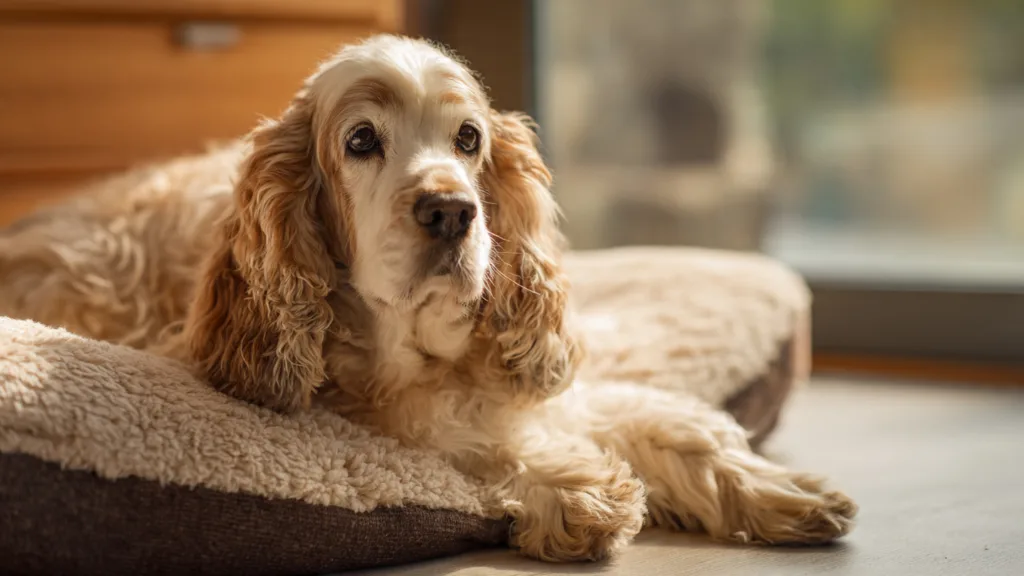
- Cozy Bedding, Off the Floor: Move their bed away from drafty doors, windows, or tile floors. Opt for a bed with raised sides or an orthopedic bed that insulates them from the ground. Add a soft, warm blanket they can burrow into.
- Mind the Heat: Central heating can dry out their skin and coat. Consider a humidifier if the air gets really dry. Also, make sure their bed isn’t right next to a roaring fireplace or heater to prevent overheating or drying out.
- Pajamas are Practical: For puppies, seniors, or thin-coated Cockers, a soft cotton or fleece pajama set for sleeping can make a world of difference in their comfort, especially at night when temperatures drop.
Step 2: Gear Up for Outdoor Adventures
Walks are still essential for mental and physical health! The key is being smart and prepared.
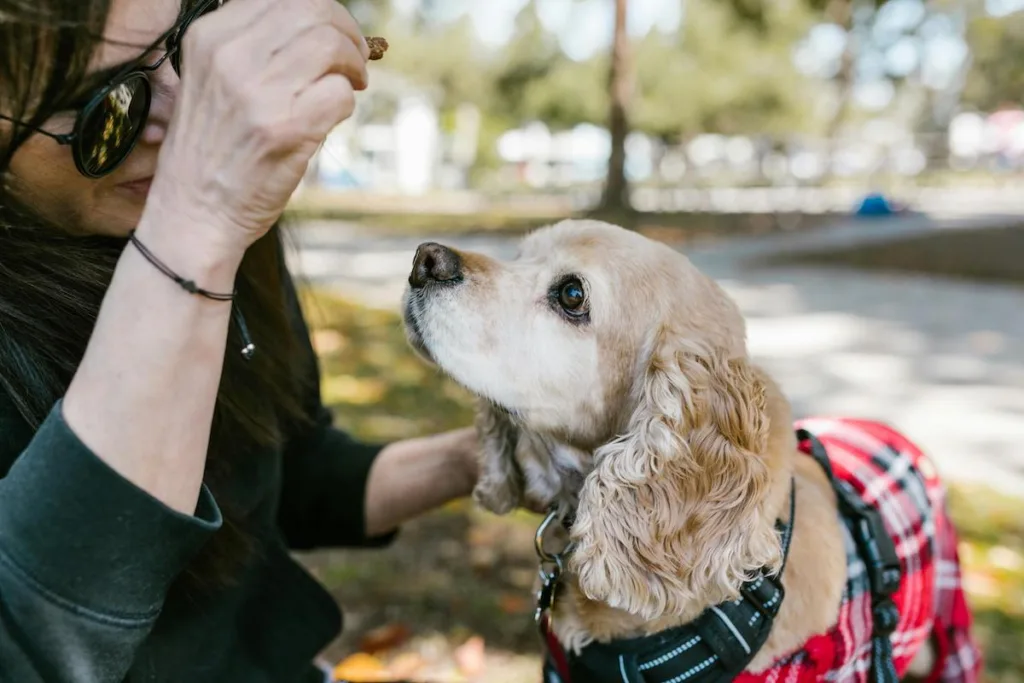
- The Coat Test: Before heading out, feel your Cocker’s ears and body. If they feel cool to the touch indoors, they definitely need a coat outside.
- Invest in a Quality Dog Coat: Look for one that covers from the neck to the base of the tail and has coverage underneath. Water-resistant is a bonus for sleet or snow.
- Protect Those Paws: Ice, snow, and road salt are a triple threat. Salt can burn paw pads, and ice can cause cuts. Use dog booties or a protective paw wax like Musher’s Secret. Always wipe their paws and belly clean with a damp towel when you come inside to remove any salt or chemical residues.
🔥 Pro Tip: After a walk in the cold, my older Cocker, Barney, loves a gentle “paw massage” with my warm hands when I’m wiping his feet down. It checks for any issues and helps his circulation.
Step 3: Adjust Exercise and Routines
Winter often means shorter days and less energy. Adapt your routine to fit the season.
- Shorter, More Frequent Walks: Instead of one long, chilly walk, try two or three shorter ones. This is especially good for puppies with limited bladder control and seniors with joint stiffness.
- Embrace Indoor Brain Games: A tired dog is a happy dog. Use food puzzles, hide-and-seek with treats, or short 5-minute training sessions (reviewing “stay,” “spin,” etc.) to burn mental energy on bitter days.
- Watch for Shivering: Shivering is the clearest sign your dog is too cold. If you see it, it’s time to head back inside immediately.
Essential Winter Care Tips & When to Worry
Let’s break down some key seasonal advice and the red flags that mean “call the vet.”
| Care Aspect | What to Do |
|---|---|
| Grooming | Keep their coat longer for insulation, but maintain regular brushing to prevent mats which trap moisture and cold against the skin. Trim the hair between their paw pads to prevent ice balls. |
| Hydration & Diet | They still need plenty of fresh water! Indoor air is dry. Most indoor dogs don’t need more food in winter, but active dogs or those who spend significant time outside might need a slight calorie bump—consult your vet. |
| Car Safety | Never leave your Cocker alone in a cold car. It becomes a refrigerator. Also, beware of anti-freeze puddles in garages—it’s sweet-tasting but deadly toxic. |
When to Call the Veterinarian
Winter can hide or exacerbate health problems. Contact your vet if you notice:
- Excessive shivering that doesn’t stop soon after coming inside and warming up.
- Lethargy, weakness, or seeming disoriented.
- Any signs of pain or stiffness when moving, which could indicate arthritis flaring up.
- Dry, cracked paw pads or patches of red, irritated skin.
- Less interest in walks or playing, which is unusual for your dog.
⚠️ Immediate Emergency: If your dog is whining, slowing down, stopping, or looking for places to burrow while outside in the cold, they may be showing early signs of hypothermia. Get them inside, wrap them in warm (not hot) blankets, and call your vet right away.
Wrapping Up a Cozy Winter
Looking after your Cocker Spaniel in the winter boils down to empathy, observation, and a few smart pieces of gear. You know your dog best. Watch their body language, feel their ears, and you’ll become an expert at reading their comfort level. Winter can be a magical time for snuggles, playful romps in a fresh dusting of snow, and enjoying the quiet comfort of your home together. By taking these steps, you’re ensuring your loyal companion stays by your side, warm and healthy, for many winters to come.
Now, I’d love to hear from you! What’s your Cocker’s favorite winter activity, and what’s your go-to trick for keeping them warm? Sharing our experiences is how we all become better pet parents. Stay warm out there! 🐶❤️