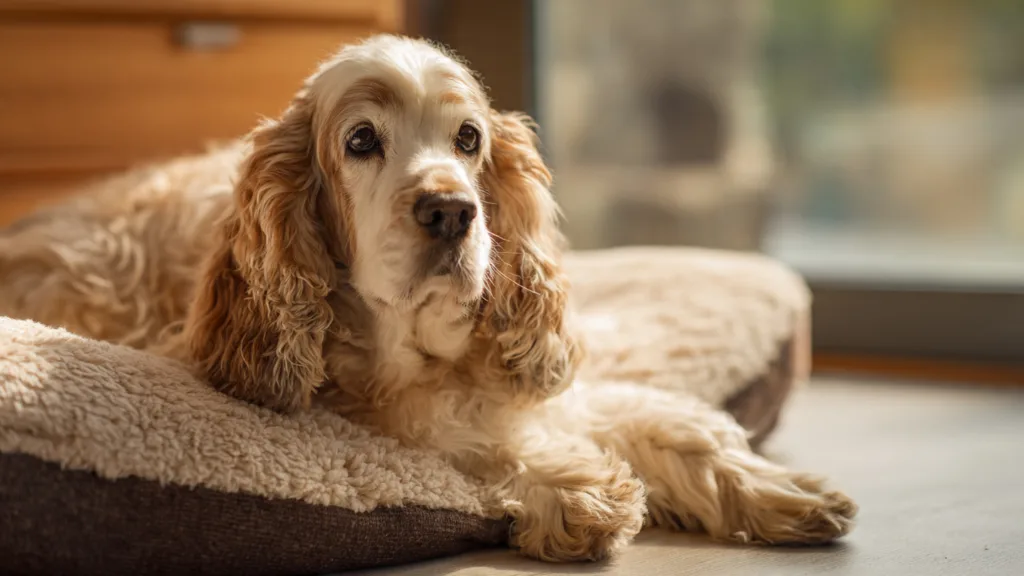

Winter is Coming: Keeping Your Cocker Spaniel Cozy, Safe, and Happy
Hey there, fellow Cocker lover! 🐾 Over the years with my own floppy-eared companions, I’ve learned that winter isn’t just about snowball fights and cozy blankets for us—it’s a season that requires a little extra thought for our furry friends. Cockers, with their beautiful, silky coats, might look like they’re dressed for the occasion, but don’t let that fool you. That single layer isn’t the same as a double-coated breed’s winter armor. Combine that with their love for adventure and sometimes… ahem… less-than-enthusiastic attitude toward bitter cold, and you’ve got a recipe for a chilly pup.
Whether you have a spirited adult or a bouncy cocker spaniel chiot (puppy), they rely on us to navigate the frosty months. It’s not just about the temperature outside; it’s about dry paws, warm naps, and maintaining their sparkle when daylight is short. Let’s dive into my top tips, forged from experience (and a few shivering mistakes!), to ensure your Cocker has a fantastic winter.
7 Essential Tips to Protect Your Cocker Spaniel from the Cold
Think of this as your winter preparedness checklist. We’ll cover everything from nose to tail!
1. Rethink That “Built-In Coat” & Embrace Layers
This is the biggest myth! While your Cocker’s coat provides some insulation, it’s not sufficient for prolonged exposure to freezing temps, especially if it’s wet. A damp Cocker coat loses all its insulating power. For short walks on very cold days, or for older or thin dogs, a well-fitting sweater or coat is a game-changer.
Concrete Example: My senior Cocker, Bailey, would start shivering on walks below 35°F (2°C). A simple waterproof jacket made her walks enjoyable again. Look for one that covers her back and belly without restricting movement. For cocker spaniel chiot puppies, who regulate temperature poorly, a sweater is almost always a good idea in winter.
2. Paw Care is Non-Negotiable
Those precious paws are in direct contact with ice, snow, and worst of all—chemical de-icers like rock salt. This can cause cracking, burning, and poisoning if licked off.
- Pre-Walk: Consider dog booties. Yes, they look silly, but they’re the best protection. If your dog hates them (many do!), a paw wax like Musher’s Secret forms a protective barrier.
- Post-Walk: WIPE THOSE PAWS! Every single time. Use a warm, damp cloth to remove all salt and ice melt. Check between the toes for ice balls, which can be painful.
3. Balance Activity: Less Outside, More Inside Play
It’s natural for walks to shorten in winter. Compensate with mental and physical stimulation indoors to prevent a restless, bored Cocker. A bored Cocker is a destructive Cocker!
Indoor Fun Ideas:
- Hide-and-seek with treats or their favorite toy.
- Short 5-minute training sessions (reinforce “sit,” “stay,” or learn a new trick like “spin”).
- Food puzzle toys or a snuffle mat to engage their natural foraging instincts.
4. Create a Draft-Free, Cozy Sanctuary
Your home’s heating system can create odd cold spots. Your Cocker’s bed shouldn’t be on a cold tile floor or in a drafty hallway.
My Setup: I always place beds in cozy corners, away from direct heating vents (which can dry out their skin) and exterior doors. Add a soft, warm blanket they can burrow into. An older dog might appreciate an orthopedic bed with extra cushioning away from cold joints.
5. Nutrition & Hydration: The Hidden Winter Factors
While indoor dogs may need slightly fewer calories due to baisse activité (decreased activity), dogs spending significant time outdoors in the cold actually burn more calories to stay warm. Consult your vet about your individual dog’s needs.
More importantly, water! Heated indoor air is dehydrating. Ensure fresh water is always available. Check outdoor water bowls frequently to ensure they haven’t frozen solid.
6. Grooming is Your Secret Weapon
Proper coat care is more important in winter, not less. A matted coat traps moisture and loses all insulation.
| Do’s | Don’ts |
|---|---|
| Keep up with regular brushing to prevent mats, especially behind the ears and in the “feathers.” | Shave or cut the coat very short. You need that length for insulation. |
| Trim the hair between the paw pads to reduce ice ball formation. | Bathe too frequently, as it can strip natural oils. When you do, dry them completely before any outdoor exposure. |
7. Car Safety & Antifreeze Awareness
A car can become a refrigerator in winter. Never leave your dog in a cold car for any length of time. Also, antifreeze (ethylene glycol) is a lethal poison with a sweet taste that attracts dogs. It can leak from cars. Wipe their paws after walks in parking areas and be vigilant about any spills in your garage.
Bonus Tip: The “Snuggle Factor”
Never underestimate the power of your warmth and attention! Extra cuddles on the couch, a gentle massage, or just some quiet time together can combat the winter blues for both of you. This bonding is especially comforting for a cocker spaniel chiot getting used to their first winter.
🚨 When to Call the Vet (No Hesitation!)
You know your dog best. Winter can exacerbate some conditions. Please call your veterinarian if you notice:
- Persistent shivering or whining (signs of hypothermia).
- Limping or excessive licking of paws (possible salt burns or injury).
- Unusual lethargy or reluctance to move.
- Dry, flaky skin or excessive scratching (from dry indoor heat).
- Any signs of illness, as immune systems can be stressed in winter.
Winter with a Cocker Spaniel can be absolutely magical—those joyful leaps into fresh snow, the peaceful naps by the fire. It just takes a little proactive care to ensure the season is safe and fun. By following these tips, you’re not just managing the froid (cold), you’re creating wonderful winter memories with your best friend.
What’s your Cocker’s favorite winter activity? Does yours love the snow, or do they give you that “you’ve got to be kidding me” look when the door opens? 🐶 Share your stories below!