Your Dalmatian and the Cold: A Complete Winter Survival Guide
Hey there, fellow Dalmatian lover! If you’re reading this, you probably have a beautiful, spotted best friend curled up somewhere nearby. Over my years with these incredible dogs, I’ve learned one thing for sure: their sleek, short coat is a bit of a double-edged sword. It’s gorgeous and low-shedding (relatively!), but it offers almost zero insulation against the cold. Winter can be a real challenge for them. This isn’t just about a little shivering; it’s about keeping them healthy, happy, and safe when the temperature drops. So, let’s dive into everything you need to know about managing the cold with your Dalmatian, from playful puppyhood to their dignified senior years.
Why Your Spotted Friend Feels the Chill
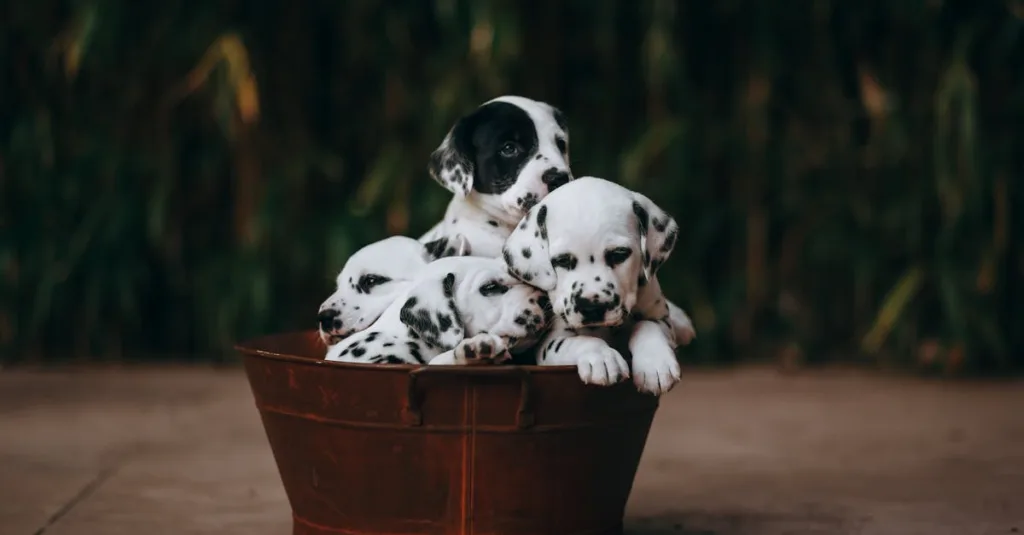
First, let’s understand the “why.” Dalmatians have a single-layer coat. Unlike a Husky or a Malamute, there’s no dense, woolly undercoat to trap heat close to their body. It’s just those fine, short hairs. This makes them incredibly efficient at cooling down (great for summer runs!) but terribly inefficient at staying warm. Combine that with their lean, muscular build which doesn’t have a lot of fat for insulation, and you’ve got a dog that feels the cold deeply. A Dalmatian puppy is even more vulnerable, as their tiny bodies lose heat faster and they’re still learning to regulate their temperature.
Spotting the Signs Your Dalmatian is Too Cold
Our dogs can’t tell us with words, so we have to be expert observers. Here’s what to look for:
- Obvious Shivering or Trembling: This is the body’s first defense to generate heat.
- Whining or Anxious Behavior: They might pace, seem restless, or try to burrow into anything they can find.
- Lifting Paws: One paw up is cute. Alternating paws rapidly means the ground is painfully cold.
- Slowing Down or Appearing Stiff: Cold muscles tighten up. If your usually bouncy Dal seems reluctant to move, listen to them.
- Seeking Heat Sources: They’ll be glued to vents, fireplaces, or desperately trying to get under your blankets.
- Curling Up Tight: Tucking their nose under their tail to conserve warmth is a classic sign.
Special Considerations: The Dalmatian Puppy and the Senior Dal
These two life stages need extra vigilance. A Dalmatian puppy has even less body mass and a fledgling immune system. Their curiosity can also lead them into wet, cold situations without the sense to get out. For senior Dals, arthritis is often exacerbated by the cold, making joints stiff and painful. Their circulation might not be as good, so they get cold faster and take longer to warm up.
Your Step-by-Step Winter Action Plan
Don’t worry, winter with a Dalmatian isn’t a nightmare—it just requires a little prep and a shift in routine. Here’s your game plan.
Step 1: Gear Up! The Essential Winter Wardrobe
Yes, your Dalmatian needs clothes. It’s not a fashion statement; it’s a necessity. Focus on two key pieces:
- A High-Quality Coat or Sweater: Look for one that covers from the neck to the base of the tail and has a snug (not tight) fit. Water-resistant material is a huge plus for snowy or rainy days.
- Paw Protection: This is non-negotiable if you live where salt or chemical de-icers are used. These products burn paw pads and are toxic if licked. Use dog boots or a protective paw wax like Musher’s Secret before walks, and wipe paws with a damp cloth after every outing.
Step 2: Rethink Outdoor Time
Say goodbye to the long, lazy summer walks. Winter outings are about business.
- Shorter, More Frequent Walks: Several 10-15 minute potty/play breaks are better than one long, chilly walk.
- Timing is Everything: Walk during the warmest part of the day, usually late morning or early afternoon.
- Keep Them Moving: A walking dog generates heat. Avoid long periods of standing still.
- Post-Walk Check & Warm-Up: Dry them off thoroughly with a towel, paying special attention to paws and belly. Offer a warm spot to snuggle immediately.
Step 3: Create a Cozy Indoor Sanctuary
Your home is their haven. Make it count.
- Draft-Free Beds: Elevate their bed off cold floors (tile and hardwood are heat sinks). Use orthopedic beds with extra padding for insulation and joint support.
- Strategic Heating: Place beds away from drafty doors/windows but not too close to direct heat sources like radiators, which can be drying and cause them to overheat then get chilled when they move away.
- Pajamas are for Dogs Too: A light, comfortable sweater or pajama set for lounging around the house can make a world of difference, especially for puppies and seniors.
Step 4: Adjust Food, Water, and Activity
Winter changes their needs.
| Consideration | Action & Reason |
|---|---|
| Food Intake | Monitor, don’t automatically increase. While outdoor working dogs need more calories, a less active indoor Dal may gain weight. Consult your vet. |
| Hydration | Encourage drinking. Dry winter air and heating can lead to dehydration. Ensure fresh water is always available. |
| Indoor Enrichment | Beat the boredom! Use puzzle toys, hide treats, practice short training sessions, or play gentle tug-of-war to keep their mind and body active safely. |
Pro Tips from a Seasoned Owner
🛁 Bath Time in Winter
Bathe less frequently if possible. When you must, use lukewarm water and do it in the warmest room of the house. Dry them COMPLETELY with a blow dryer on a low, warm setting before they even think about stepping away. A damp Dalmatian in winter will get chilled to the bone.
🚗 Car Safety
A car can become a refrigerator quickly. Never leave your Dal unattended in a cold car. For road trips, pack their coat, a warm blanket, and limit pre-trip water to avoid accidents.
👀 Watch for Dry Skin
That dry air affects their skin too. You might see more dandruff. A vet-approved moisturizing shampoo or a fish oil supplement (ask your vet first!) can help.
⚠️ When to Call the Vet Immediately
Cold can lead to serious health emergencies. Seek veterinary care right away if you notice:
- Signs of Hypothermia: Intense shivering that then stops (a dangerous sign), lethargy, weakness, shallow breathing, clumsiness, or collapse.
- Frostbite: Pale, gray, or blueish skin, especially on ear tips, tail, or paw pads. The area may feel cold and hard, then become red and swollen when warming.
- Paw Pad Damage: Cracking, bleeding, or signs of chemical burn from ice melt.
- Unusual Lethargy or Coughing: This could signal a cold-weather related illness.
Wrapping Up a Cozy Winter
Living with a Dalmatian in winter is all about being proactive and attentive. By understanding their unique vulnerability to the cold and taking these practical steps—gearing them up, modifying activities, and creating a warm home base—you’re not just preventing discomfort, you’re safeguarding their well-being. The extra snuggles under a blanket on a snowy day are just a wonderful bonus. Watching your spotted companion thrive all year round is one of the great joys of sharing your life with this special breed.
What’s the one winter hack that has made the biggest difference for your Dalmatian? I’d love to swap stories and tips with you!