Why Is My Czechoslovakian Wolfdog So Cold in Winter?
Hey there, fellow wolfdog owner. I’ve been where you are, watching my boy seem extra chilly during the winter months and feeling that pang of worry. First things first, take a deep breath. It’s completely normal to be concerned, and the fact that you’re looking into this shows you’re a great owner. While these dogs are incredibly resilient and bred for tough conditions, our modern home lives and individual dogs can mean they feel the cold more than we’d expect, especially as puppies or seniors. Let’s walk through what might be going on and, more importantly, what you can do about it.
Understanding Your Wolfdog’s Winter Needs
Your Czechoslovakian Wolfdog has a magnificent double coat, but that doesn’t make them a snowman-proof superhero. Think of their coat like a high-tech hiking jacket: it’s excellent at insulation and moisture-wicking, but if they’re not moving much (lower winter activity) or are in a damp draft, that cold can seep in. Puppies, with their still-developing systems and less dense coats, are particularly vulnerable. The combination of dry air from heating, less daylight activity, and cold floors can make any wolfdog seek out warm spots more often.
🩺 Key Signs It’s More Than Just a Chill
It’s crucial to distinguish between “I’m a bit cold” and “I need help.” Here’s what to watch for:
- Persistent Shivering: Occasional shivers when coming inside are normal. Constant, uncontrollable shivering is a red flag.
- Cold to the Touch: Especially the ears, paw pads, and groin area. These areas have less fur and will feel icy.
- Lethargy & Unusual Quietness: If your normally alert wolfdog is overly sleepy, sluggish, or seems depressed.
- Seeking Heat Obsessively: Pressed constantly against heaters, vents, or buried under every blanket they can find.
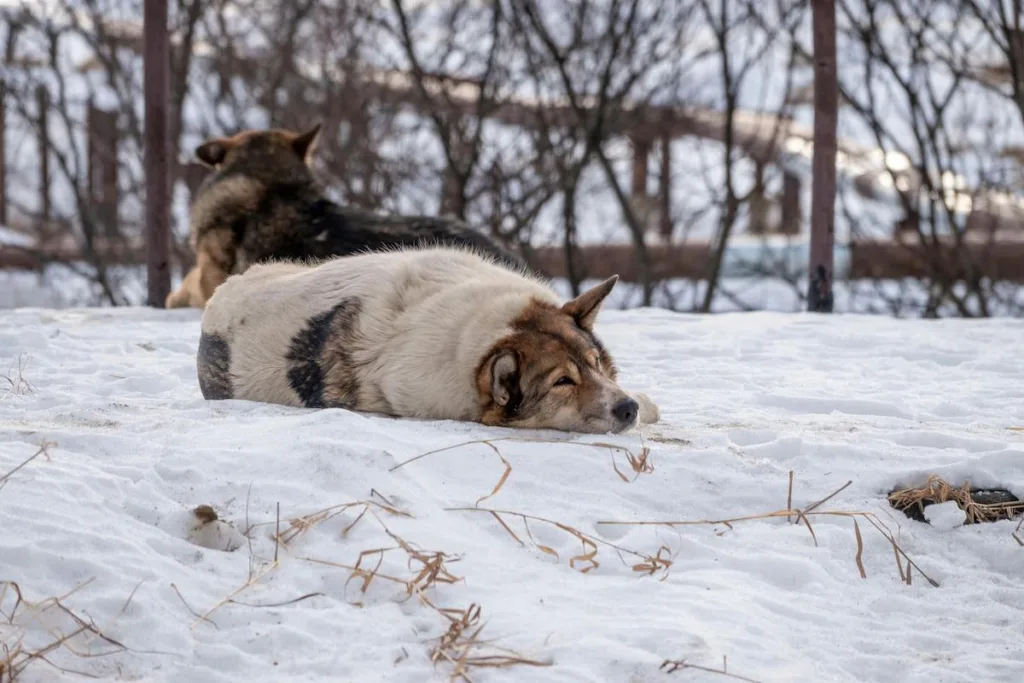
- Curling Up Tightly: Tucking their nose and feet under their body for extended periods to conserve heat.
Practical Solutions to Warm Them Up
Based on years of trial and error (and some chilly lessons learned), here are actionable steps you can take today.
🏠 Immediate Indoor Comfort Adjustments
Your home setup is the first line of defense. Small changes make a huge difference.
- Create a Draft-Free, Cozy Den: Elevate their bed off cold tile or concrete floors. Use a sturdy cot-style bed for air circulation or an insulated pad. Place it in a corner away from drafty windows and doors.
- Offer Smart Bedding: Provide a pile of old blankets or a specific dog blanket they can burrow into. Many wolfdogs love the autonomy of arranging their own bedding.
- Manage Home Heating: Our heating systems create dry air. Consider a humidifier in the main living area to make the air more comfortable for both of you. Ensure their bed isn’t directly in the path of a forced-air vent, as this can lead to overheating and then a chill when it cycles off.
- Warm Flooring Options: Throw down rugs or cheap carpet remnants in their favorite pathways and resting spots.
🧥 Outdoor Protection & Activity
They still need their outdoor time! The key is being smart about it.
- Consider a Coat for Specific Situations: I know, a coat on a wolfdog! But for puppies, seniors, or during bitter cold/wet/sleety weather, a simple, waterproof shell can prevent their undercoat from getting damp and losing its insulating power. It’s not about fashion; it’s about function.
- Shorter, More Frequent Outings: Instead of one long walk in the cold, do several shorter play sessions. This keeps their body temperature more regulated.
- Post-Outdoor Check & Dry: Always check and wipe their paws for ice melt or snow clumps. Use a towel to dry their legs, belly, and any damp spots on their coat when they come inside.
🍲 Nutrition & Hydration: The Inner Furnace
Food is fuel for warmth. In winter, especially for active dogs, they may burn more calories to stay warm.
| Consider This… | Why It Helps |
|---|---|
| Consulting your vet about a slight food increase | Provides extra calories for heat production. Never drastically change diet without professional advice. |
| Ensuring constant access to fresh, unfrozen water | Dehydration makes it harder for the body to regulate temperature. |
| Using warm water or broth on their kibble | Creates a comforting, warming meal and boosts hydration. |
When It’s Time to Call the Veterinarian
Please, don’t hesitate to call your vet if you notice any of the following. It’s always better to be safe:
- Signs of hypothermia: intense shivering that then stops, weakness, stumbling, shallow breathing, or a glazed look.
- Any suspicion of frostbite on ears, tail, or paws (pale, gray, or blueish skin that may turn red and peel).
- If the coldness and lethargy are accompanied by loss of appetite, coughing, or any other unusual symptom.
- If your wolfdog puppy seems unable to get or stay warm despite your interventions—puppies can crash quickly.
Your vet can rule out underlying issues like arthritis (which can feel worse in the cold), thyroid problems, or anemia that might make your dog more susceptible to the cold.
Building Winter Resilience: Long-Term Prevention
Think ahead for next season and build good habits now.
- Paw Care is Year-Round: Keeping paw pads healthy with balms in drier months makes them more resilient to winter salts and ice.
- Maintain Grooming: Never shave your wolfdog. Regular brushing to remove dead undercoat (even in winter!) actually helps their coat insulate better.
- Keep Them Mentally & Physically Active: A bored dog is a sedentary dog. Indoor training games, puzzle feeders, and hide-and-seek keep their mind and body engaged, which generates healthy warmth.
Final Thought
Living with a Czechoslovakian Wolfdog is a journey of learning their unique language. Their feeling cold is often their way of asking for a small adjustment in their environment. By providing a warm, draft-free sanctuary, protecting them from wet chill, and fueling their inner furnace, you’re not just combating the cold—you’re strengthening that incredible bond you share. You’ve got this.
What’s the first cozy adjustment you’re going to try for your wolfdog this week?