Is the British Shorthair Right for You? Your Honest Guide
So, you’ve fallen for those big, round eyes and that plush, teddy-bear coat. The British Shorthair is utterly charming, but is this famously sturdy cat the right fit for your home and life? As someone who’s shared my home with these wonderful creatures for years, I’m here to give you the real, unfiltered scoop—not just the glossy brochure version. Let’s dive in.
Meet the British Shorthair: More Than Just a Pretty Face
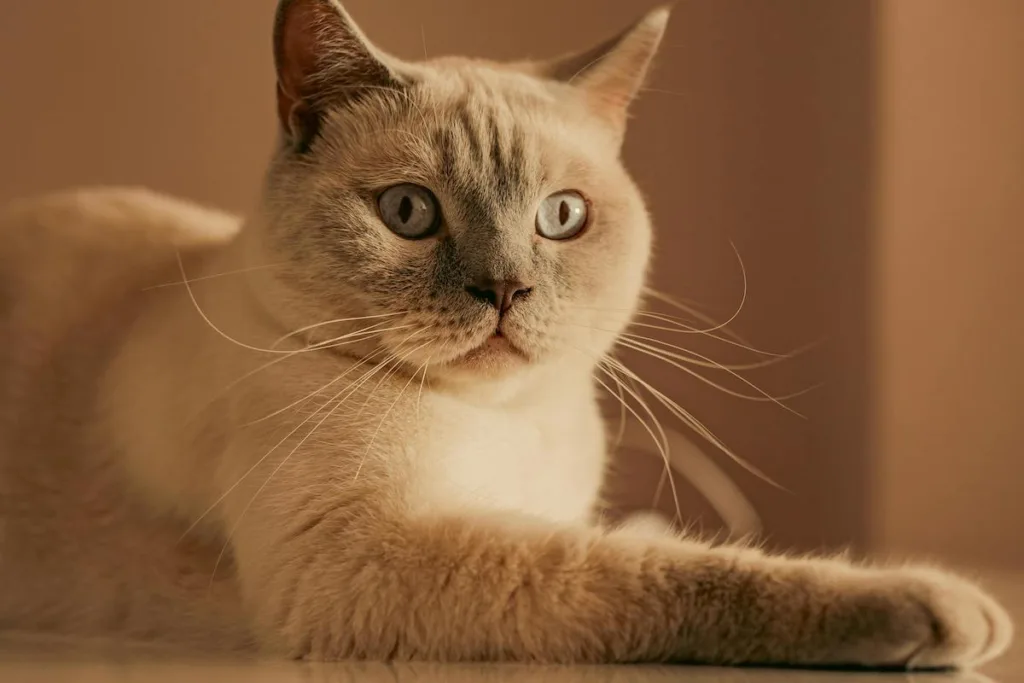
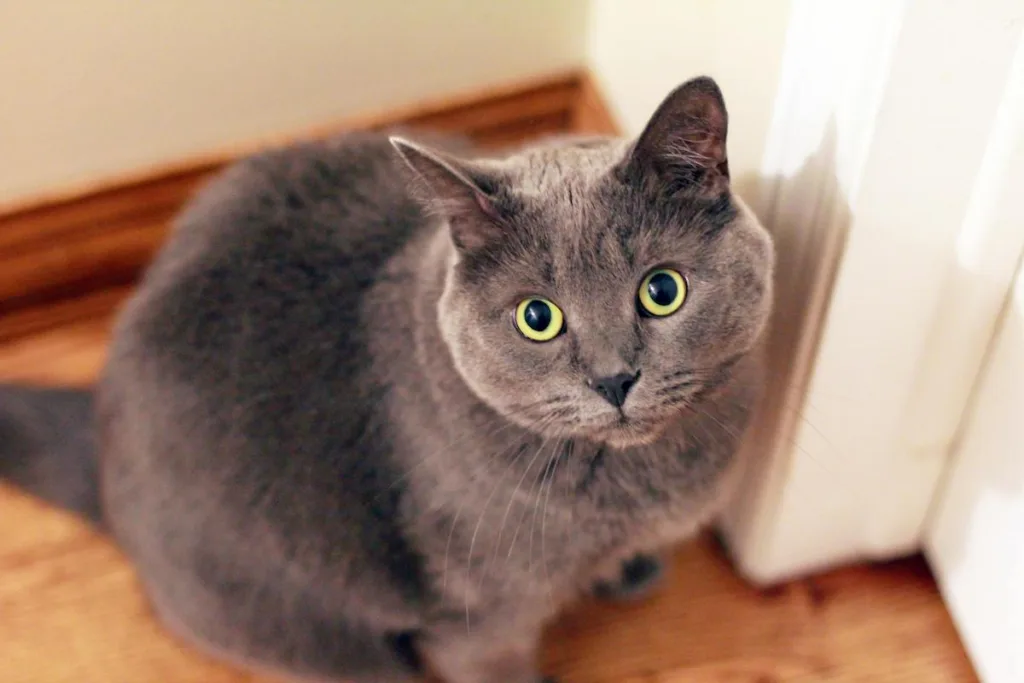
Think of the British Shorthair as the gentle giant of the cat world. They’re the cat version of a cozy armchair: solid, comforting, and undemanding. Originally bred to keep rodents at bay, today’s “Brit” is a calm, dignified companion known for its dense, plush coat (the famous “blue” is just one color!) and a sweet, rounded face. They’re not the delicate, flighty type; these cats are built for sturdy cuddles.
The Heart of the Matter: Temperament & Behavior
If you’re looking for a cat that’s independent yet devoted, you’re on the right track. The Temperament of the British Shorthair is often described as “easygoing” and “adaptable.”
What Living With a Brit is Really Like
- 🧸 The Calm Companion: Don’t expect a cat that races over walls. Brits are famously placid. They’ll follow you from room to room just to be near you, often plopping down a few feet away for a quiet nap.
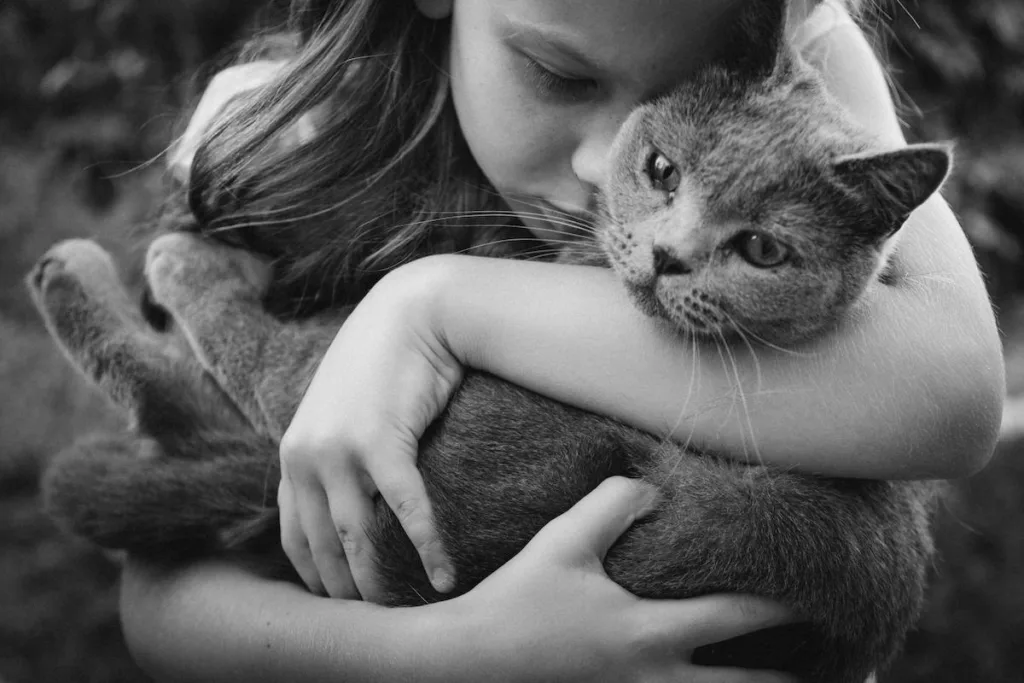
- 🤝 Loyal, Not Needy: They form deep bonds but aren’t typically “lap cats” in the clingy sense. They prefer sitting beside you, offering a comforting, quiet presence. My boy, Winston, greets me at the door but waits patiently for his chin scratch rather than meowing incessantly.
- 👀 Quiet Observers: They have a soft voice and use it sparingly. You’re more likely to get a slow blink of love than a loud meow. This makes them fantastic for apartment living.
- 🎮 Playful on Their Terms: They enjoy short, engaging play sessions—think feather wands or a crumpled paper ball—but will happily retire to their throne (your sofa) afterward.
Caring for Your Plush Friend: Diet, Grooming & More
Understanding the Needs of the British Shorthair is key to a happy, healthy cat. They’re generally low-maintenance, but have a few specific requirements.
| Aspect of Care | What You Need to Know |
|---|---|
| 🍽️ Diet & Weight | Brits have a stocky build and love their food. Portion control is critical to prevent obesity. Measure their kibble, limit treats, and consider a high-protein, low-carb diet. A food puzzle feeder can help slow them down! |
| 🐾 Grooming | That dense coat needs help! Brush them 2-3 times a week with a slicker brush to remove dead hair and prevent mats. During spring and fall shedding seasons, daily brushing is a lifesaver for your furniture. |
| ⚽ Exercise & Play | They’re not marathon runners, but they need regular, gentle encouragement to move. Two 10-minute interactive play sessions a day will keep them fit and mentally stimulated. |
| ❤️ Health & Vet Care | Generally robust, but like all purebreds, they have predispositions. Regular vet check-ups are non-negotiable. |
Health and Long-Term Costs to Consider
Let’s talk finances and health openly. While healthy, Brits can be prone to certain genetic conditions like Hypertrophic Cardiomyopathy (HCM) (a heart condition) and polycystic kidney disease (PKD). A responsible breeder will test their breeding cats for these. Also, their sturdy build can make them prone to joint issues like arthritis later in life.
Beyond the initial purchase or adoption fee, budget for:
- High-quality food and controlled portions.
- Routine vet visits, vaccinations, and preventative care.
- Pet insurance (which I highly recommend) or a dedicated savings fund for unexpected illnesses. A major health issue can cost thousands.
Finding Your Purr-fect Match: Lifestyle Fit
✅ The British Shorthair is Ideal For…
- First-time cat owners seeking a gentle, forgiving companion.
- Busy professionals or retirees who want affectionate company without constant demands.
- Apartment or small-home dwellers.
- Families with respectful, older children who understand a cat’s boundaries.
- Anyone craving a calm, predictable, and deeply comforting presence in their home.
❌ The British Shorthair is Not Recommended For…
- Someone seeking a highly active, “chatty,” or lap-snuggling cat.
- Households with very young, rambunctious children who might chase or mishandle this patient but sensitive cat.
- Anyone unwilling to commit to regular grooming or strict portion control at mealtimes.
- People who are away from home constantly. While independent, they still crave companionship and can become lonely.
Your Decision: Is This Your Future Cat?
So, is the British Shorthair right for you? If you value quiet companionship, a stable temperament, and don’t mind a bit of weekly fur maintenance, this breed is an absolutely wonderful choice. They offer immense love in a quiet, sturdy package.
Before making your decision, ask yourself:
- Can I provide a calm, stable home environment?
- Am I disciplined enough to manage their diet and weight?
- Do I want a companion who is affectionate but not in my face 24/7?
- Am I ready for the 15+ year commitment and associated costs?
If your heart says “yes,” then welcoming a British Shorthair could be one of the best decisions you’ll ever make. They have a way of quietly stitching themselves into the fabric of your daily life, becoming an irreplaceable, calming presence.
Ready to open your home? What kind of quiet adventure are you hoping to share with a feline friend?