Is Your German Shepherd Feeling the Winter Chill? 8 Signs to Watch For
Hey there, fellow German Shepherd lover! 👋 Having shared my life with these incredible dogs for years, I’ve learned they’re tough as nails, but they’re not invincible—especially when the temperature drops. Winter brings a unique set of challenges. Between the biting cold outside and the dry heat inside, our furry friends can feel it just as much as we do. An adult German Shepherd has a fantastic double coat, but that doesn’t make them immune to the elements. They can get cold, and it’s our job to spot the subtle (and sometimes not-so-subtle) signs.
Let’s walk through the key signals that your buddy might be feeling a bit too frosty this season. Knowing these can make all the difference in keeping them happy, healthy, and warm.
1. The Shiver and Shake
This one seems obvious, right? But it’s the most direct way your GSD will tell you they’re cold. While a little shivering after coming in from a snowy yard is normal, persistent shaking is a red flag. It means their body is working overtime to generate heat.
Concrete Example: My boy, Rex, would sometimes give a full-body shiver during a long walk on a particularly windy day. That was my cue to turn around and head home for a warm-up.
2. Becoming a “Velcro Dog”
Is your independent shepherd suddenly glued to your side, trying to burrow under blankets or press against you? This isn’t just a cuddle session; it’s a survival instinct. They are seeking your body heat and a warm spot to conserve their own energy.
3. Whining or Anxious Pacing
Your dog can’t say, “Hey, I’m freezing!” so they communicate through behavior. Whining, restlessness, or pacing, especially near the door to come inside or near heat sources like vents or fireplaces, is a clear signal of discomfort.
4. Cold Ears, Belly, and Paws
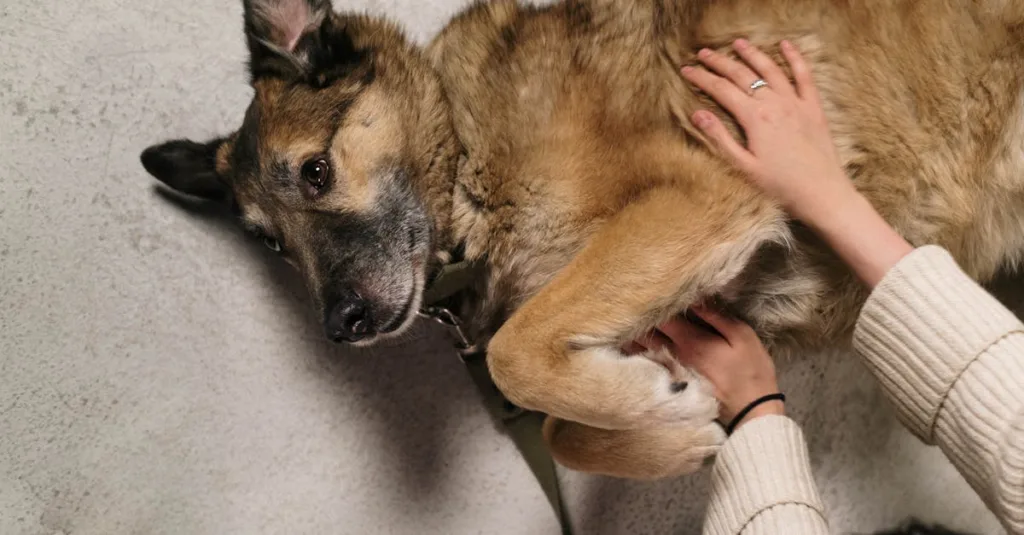
The double coat on their back is great insulation, but some areas are more exposed. Feel the tips of their ears, their belly (where fur is often thinner), and the pads of their paws. If these areas feel cold to the touch, it’s a sure sign they’re losing body heat.
5. Lethargy and Unusual Slowness
You might notice a drop in your dog’s energy levels. A normally playful GSD might seem sluggish, sleepy, or reluctant to go for walks. In cold weather, the body works to preserve core warmth, which can lead to decreased activity. However, it’s crucial to distinguish this from illness.
When to Call the Vet: If lethargy is combined with weakness, stumbling, or confusion, it could be a sign of hypothermia, which is a medical emergency. Don’t wait—call your vet immediately.
6. Curling Up Tight in a “Ball” Position
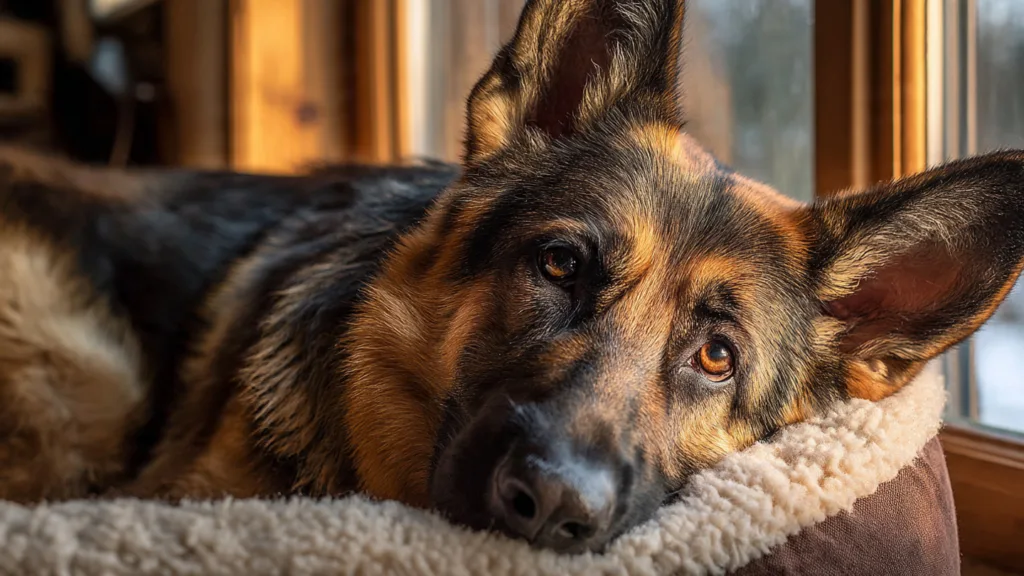
Notice your dog sleeping in a tight ball, with their tail curled over their nose? This is a classic heat-conserving position. They are minimizing their surface area to protect their core body heat and keeping their nose warm with their tail.
7. Seeking Hidden Warm Spots
Your GSD might suddenly develop a fondness for hiding in closets, behind furniture, or in corners away from drafts. These spots can feel warmer and more sheltered than the middle of a room, especially in a house with fluctuating temperatures due to heating.
8. A Stiff or “Hunched” Posture
Cold muscles get tense. If your dog is moving stiffly, seems reluctant to move, or is walking with a hunched back, it could be from the cold. This is especially important to watch for in older shepherds who may already have joint issues like arthritis, which the cold can aggravate.
Your Action Plan: Keeping Your GSD Cozy All Winter Long
Now that you know what to look for, here’s what you can actually do about it. A little proactive care goes a long way.
Layer Up for Outdoor Adventures
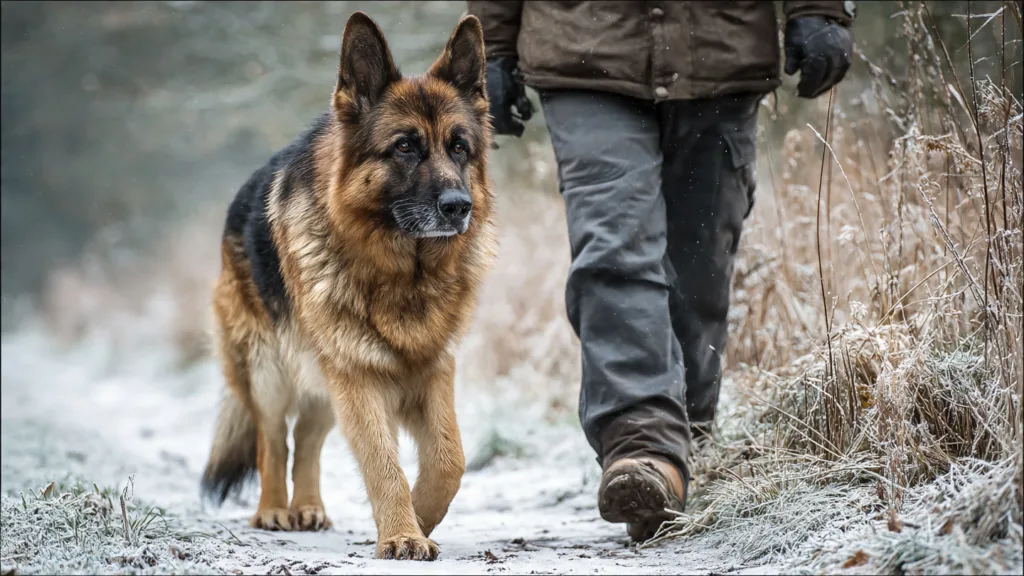
Yes, even a German Shepherd can benefit from a coat or sweater, especially during walks, in wet conditions, or if they are older or have a thinner coat. Look for one that covers from their neck to the base of their tail.
Paw Protection is a Must
Ice, snow, and road salt are a nasty combination for paws. They can cause cracking, cuts, and chemical burns.
- Use pet-safe ice melt on your own property.
- Wipe their paws with a warm, damp cloth after every walk to remove salt and chemicals.
- Consider using dog booties or a protective paw wax for extra safety.
Create a Cozy Indoor Sanctuary
Make sure their bed is in a draft-free spot. Elevate it off cold floors, and provide plenty of warm, washable blankets. Many dogs love having a “den-like” crate covered with a blanket to trap warmth.
Adjust Food and Water (Slightly)
If your dog spends a significant amount of time outdoors, they may burn more calories to stay warm. Consult your vet about a potential, small increase in food. Crucially, ensure their water bowl is always full and hasn’t frozen. A cold dog won’t drink icy water, leading to dehydration.
| Do’s | Don’ts |
|---|---|
| ✔️ Dry your dog thoroughly after being in snow or rain. | ❌ Leave your dog outside unsupervised for long periods. |
| ✔️ Keep outdoor play and walks shorter but more frequent. | ❌ Shave their coat down in the winter. |
| ✔️ Provide extra bedding for warmth. | ❌ Assume they are fine because of their breed. |
Bonus Tip: The “Paw Test”
Here’s a simple, 5-second trick I use all the time. Before heading out for a long walk, place the back of your hand on the pavement or ground. If you can’t hold it there comfortably for 7 seconds, it’s too cold for your dog’s bare paws. Time for booties or a shorter potty break!
Winter with a German Shepherd can be a wonderful time of snowy play and cozy cuddles by the fire. By paying close attention to these signs and taking a few simple steps, you can ensure your loyal companion stays safe, warm, and thriving through the coldest months.
What’s the one thing your German Shepherd does that tells you they’re cold? Share your story in the comments below! 🐾