
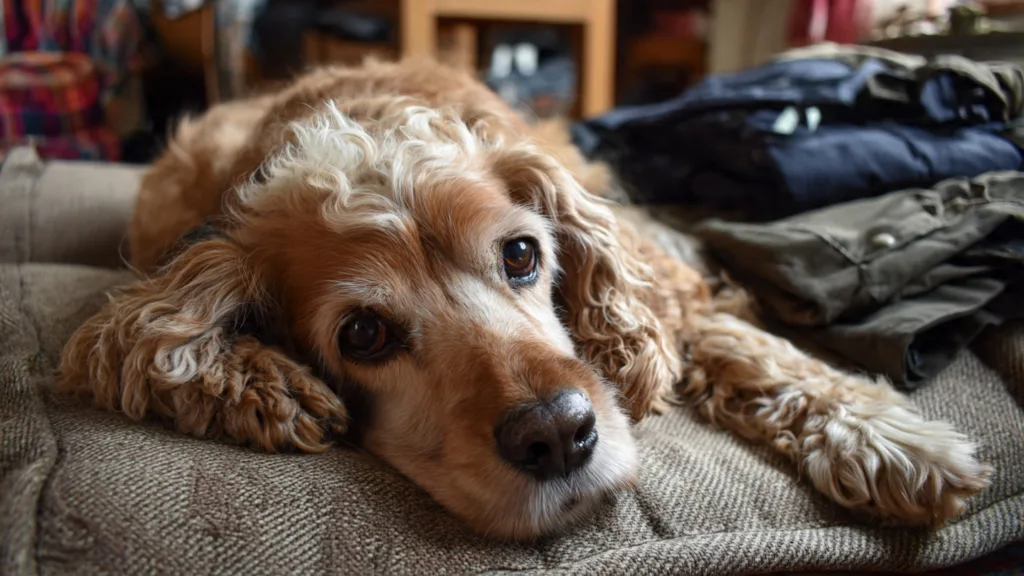
Winter Joint Care for Your Cocker Spaniel: 7 Tips from a Fellow Owner
Hey there, fellow Cocker parent! If you’re like me, you’ve spent years adoring those soulful eyes and that endlessly wagging tail. Our Cockers are bundles of joy, but let’s be honest, we all know they can be a bit… creaky. Those long, low-slung bodies and spirited personalities sometimes come with a cost: sensitive joints. And when winter rolls in with its cold floors, dry heat, and tempting couch-potato lifestyle, those joint issues can really flare up. I’ve been through a few winters now with my own Cocker, Buddy, and I’ve learned a thing or seven about keeping him comfy and mobile. Think of this as a chat from one experienced owner to another. Let’s dive into these winter-proof tips to help your furry friend move with ease all season long.
7 Essential Winter Joint Tips for Your Adult Cocker Spaniel
Winter doesn’t have to mean stiff, achy days for your pup. A few simple adjustments to your routine can make a world of difference. Here’s my go-to list, born from trial, error, and lots of vet chats.
- Keep Them Moving (The Right Way)
- Create Warm, Cozy Resting Zones
- Master the Art of the Winter Groom
- Mind Their Winter Waistline
- Consider a Joint-Supporting Supplement
- Adapt Playtime & Exercise Indoors
- Be a Slippery Surface Detective
Breaking Down the Tips: Your Winter Action Plan
Okay, you’ve got the list. Now, let’s get into the how and why. These aren’t just random ideas; they’re interconnected strategies that work together to support your Cocker’s whole body.
1. Keep Them Moving (The Right Way)
It’s tempting to shorten walks when it’s chilly, but consistent, moderate activity is crucial for joint health. It keeps muscles strong to support those joints and maintains flexibility. The key is to swap long, strenuous hikes for shorter, more frequent outings. Think two or three 15-20 minute walks instead of one long, cold marathon. Always start with a gentle 5-minute warm-up at a slow pace. Watch your dog closely—if they start to lag, stiffen up, or hesitate to jump, it’s time to head home. Remember, a shivering dog is using energy to stay warm instead of moving comfortably.
2. Create Warm, Cozy Resting Zones
Cold drafts and hard floors are the enemy of achy joints. Take a look around your home. Is your Cocker’s favorite bed in a drafty hallway or on a tile floor? Time for a relocation! Invest in a high-quality, orthopedic bed that provides ample cushioning and support for their elbows and hips. Place it in a warm, draft-free room. In the winter, I always add a soft, washable blanket to Buddy’s bed for an extra layer of insulation he can burrow into. Raised beds can also help keep them off cold floors.
3. Master the Art of the Winter Groom
This one is huge for Cockers! Their beautiful, feathered coat can trap moisture from snow or rain, leading to dampness and chill right against the skin. After every winter outing, get into the habit of thoroughly drying their legs, belly, and paws. Pay special attention to the hair between their paw pads, where ice balls can form. Keeping the coat on their legs and belly neatly trimmed (not shaved!) will prevent ice and salt accumulation. A well-maintained coat acts as proper insulation.
4. Mind Their Winter Waistline
It’s a simple equation: less activity + same amount of food = weight gain. Every extra pound puts significant additional stress on already vulnerable joints. Be vigilant about portion control during the winter months. Use a measuring cup, not guesswork. If treats are a big part of your day (who can resist those eyes?), use healthier options like small pieces of carrot or green bean, and factor them into their daily calorie count. A lean Cocker is a more agile, comfortable Cocker.
| Signs of a Healthy Weight | Red Flags for Weight Gain |
|---|---|
| You can easily feel (but not see) their ribs. | No waist visible when viewed from above. |
| A visible “tuck” in the belly from the side. | Difficulty feeling ribs under a fat layer. |
| Energetic and springy movement. | Reluctance to jump, run, or climb stairs. |
5. Consider a Joint-Supporting Supplement
Think of supplements like glucosamine, chondroitin, and omega-3 fatty acids (fish oil) as daily maintenance for your car’s engine. They help lubricate joints and support cartilage health. Many are formulated specifically for dogs. This is not a magic cure, but a long-term support strategy. Always, and I mean always, talk to your vet before starting any new supplement. They can recommend a reputable brand and the correct dosage for your individual dog.
6. Adapt Playtime & Exercise Indoors
On those bitterly cold or icy days, get creative inside! This prevents them from becoming sedentary. Low-impact indoor games are perfect. Try hiding treats around the room for a “sniffari” that engages their mind and gets them moving gently. Short, slow sessions of fetch down a carpeted hallway work. You can even practice gentle stretches or very basic obedience tricks for mental stimulation. The goal is to keep the body and mind active without high-impact jumping or sudden turns.
7. Be a Slippery Surface Detective
Hardwood, tile, and laminate floors become ice rinks for a dog with weak joints. Watch your Cocker—do their legs splay out when they try to get up? Do they walk tentatively? This is a major hazard. Use non-slip rugs, runners, or interlocking foam mats to create secure pathways through your home, especially to their bed, water bowl, and favorite spots. Trimming the hair between their paw pads can also improve grip.
Your Bonus Tip: The Power of Warmth & Massage
Here’s a little extra secret from my toolkit. After a cold walk, try a warm (not hot) towel wrapped gently around their hips or shoulders for a few minutes. It’s incredibly soothing. Even better, learn some simple, gentle massage techniques. Start by softly rubbing the muscles along their back and thighs, not the joints themselves. This improves circulation, reduces stiffness, and is a wonderful bonding moment. Just five minutes can make your Cocker sigh with relief.
Look, caring for a Cocker Spaniel’s joints, especially in winter, is a labor of love. It’s about the small, consistent choices we make every day. By combining smart exercise, cozy comfort, good nutrition, and a watchful eye, you’re giving your best friend the gift of comfort and mobility. They give us so much unconditional love; this is one of the best ways we can give it back.
What’s the one winter hack that has made the biggest difference for your Cocker’s comfort? I’d love to swap more ideas!