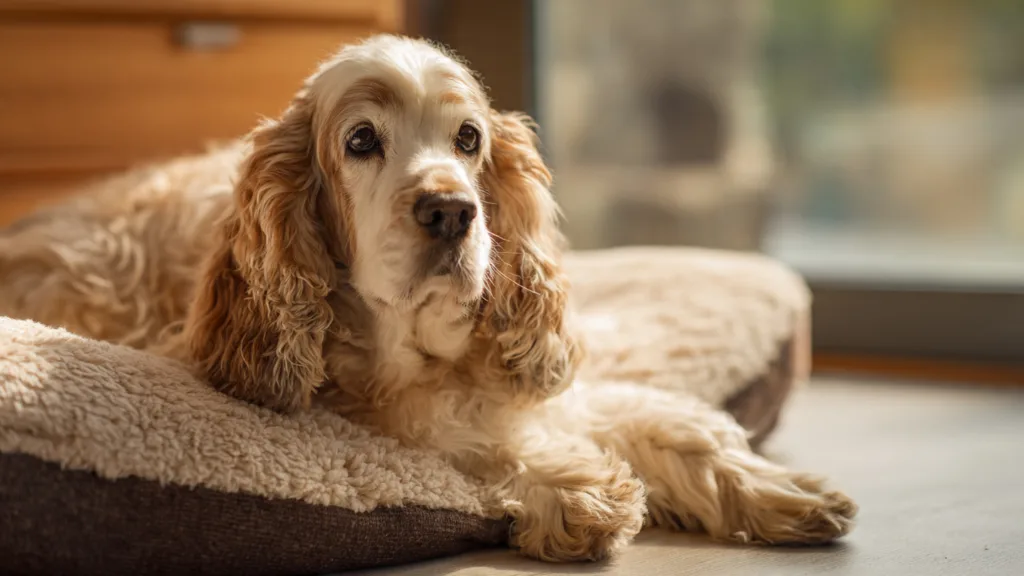
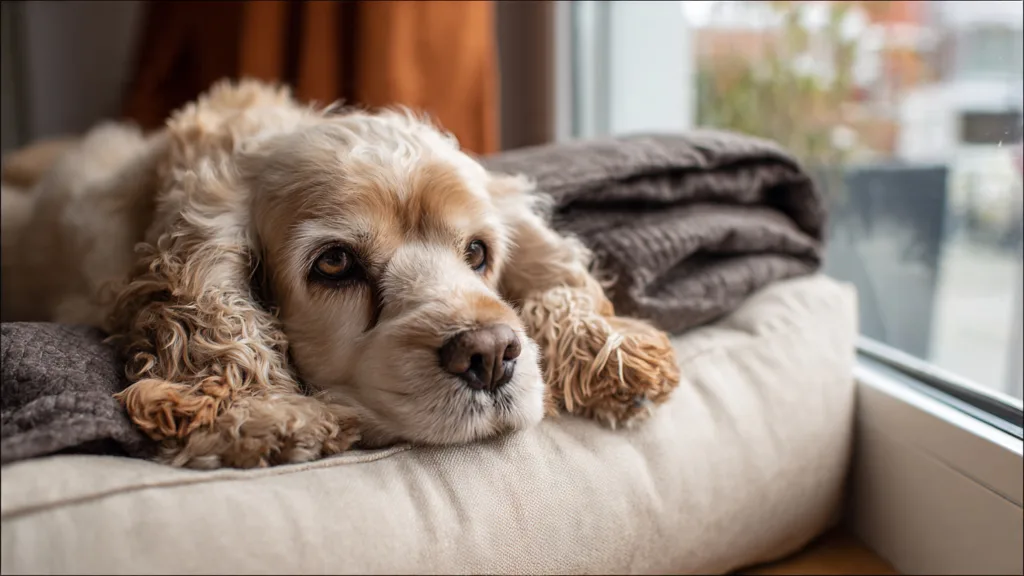
My Cocker Spaniel Seems Stiff in Winter. What Can I Do?
Hey there, fellow spaniel lover. If you’re noticing your cocker is a bit slower to get up, seems stiff after a nap, or hesitates before jumping on the couch now that the cold’s set in, I hear you. I’ve been there with my own boy, Baxter. First off, take a deep breath. This is a very common issue for our beloved cockers, especially as they move into their adult and senior years. Their enthusiastic spirit often lives in a body prone to joint hiccups. The winter months—with the cold, dry air from heating, and our own tendency to hibernate—can really amplify these issues. The good news? There’s a lot we can do right now to help them feel more comfortable and get their wiggle back.
🩺 The Reassuring Part: What you’re seeing is likely a manageable combination of breed predisposition and seasonal factors. Cockers are active, sturdy dogs, but that also means their joints work hard. Winter doesn’t cause joint problems, but it absolutely can make any underlying stiffness or discomfort much more noticeable. Your awareness is the first and most important step in helping them.
Immediate Actions You Can Take This Week
Think of this as your winter joint-Create a Cozy, Draft-Free Zone: Move your dog’s bed away from cold floors, drafty doors, or direct blasts from heating vents. That dry heat can be dehydrating and stiffening. A thick, orthopedic bed is a game-changer—it cushions joints and insulates from the cold floor.care starter kit. These are practical, doable things that make a real difference.
Warm-Up is Non-Negotiable:
Just like an athlete! On colder days, spend the first 5 minutes of your walk at a gentle stroll. Let your cocker sniff and amble to get blood flowing to those muscles before any brisk pace or fetch. A little massage on their shoulders and hips before heading out can work wonders too.
Indoor Fun is Your Best Friend:
When it’s brutally cold, swap the long walk for short, engaging indoor sessions. A 10-minute “find it” game with treats hidden around the living room or gentle tug-of-war keeps their mind and body active without the joint stress of icy pavement.
Consider a Joint Supplement:
Talk to your vet about adding a quality joint supplement. Look for ones containing glucosamine, chondroitin, and MSM. These are building blocks for cartilage and can provide real support. Adding a fish oil rich in Omega-3s is also fantastic for reducing inflammation.
🛠️ Baxter’s Winter Warm-Up Routine
Here’s what we do on a chilly morning: 1) Gentle hip and shoulder rubs while he’s still on his bed. 2) A slow walk to the mailbox and back (just 3 minutes). 3) Then, we play “follow the treat” around the couch to get him moving in all directions. Only then are we ready for our real walk. This 8-minute routine cut his morning stiffness in half.
When to Pick Up the Phone and Call Your Vet
Our home care is powerful, but it’s not a substitute for professional care. Please call your veterinarian if you notice any of the following:
| Sign | What It Might Mean |
|---|---|
| Persistent limping or favoring one leg | This could indicate an injury, sprain, or a more significant arthritic flare-up. |
| Whining or yelping when moving or being touched | A clear signal of pain that needs assessment and possible pain management. |
| Sudden reluctance to climb stairs, jump, or play | A significant change in behavior is a major red flag. |
| Loss of appetite or unusual lethargy | Pain can make dogs withdraw and lose interest in food. |
| Swelling or warmth around a specific joint | Could signal infection, injury, or severe inflammation. |
Building a Foundation for Healthier Joints, Season After Season
Long-term thinking is what keeps our cockers bouncing for years. Prevention is always kinder (and often cheaper) than intervention.
🏆 The Golden Rule: Weight Management. This is the single most important thing you can control. Every extra pound is literal pounds of pressure on those elbows and knees. Keep your cocker lean and you’ve already won half the battle. In winter, with less activity, you might need to slightly reduce their food portions.
Consistent, Low-Impact Exercise:
Regular movement is like oil for the joints. Aim for shorter, more frequent walks rather than one long weekend marathon. Swimming is absolute magic for joint health if you have access to a canine hydrotherapy pool.
Year-Round Supplementation:
Don’t just start supplements when you see a problem. Think of them as daily maintenance, like brushing their beautiful coat. Starting a joint support regimen in adulthood can help delay the onset of significant issues.
Paw & Coat Care in the Cold:
Ice-melting salts can irritate paw pads. Wipe their feet after walks and consider a moisturizing balm. Also, don’t shave them down in winter! That coat is natural insulation. A cozy sweater for short outings can help keep their core (and muscles) warm.
Let’s Keep the Conversation Going
Seeing our playful companions slow down is tough, but you are not powerless. A few thoughtful changes to your winter routine can bring back that joyful spring in their step. Start with one or two actions from this list, and see how your furry friend responds.
What’s the first sign of winter stiffness you notice in your cocker, and what’s one small change you’ll try this week to help?