
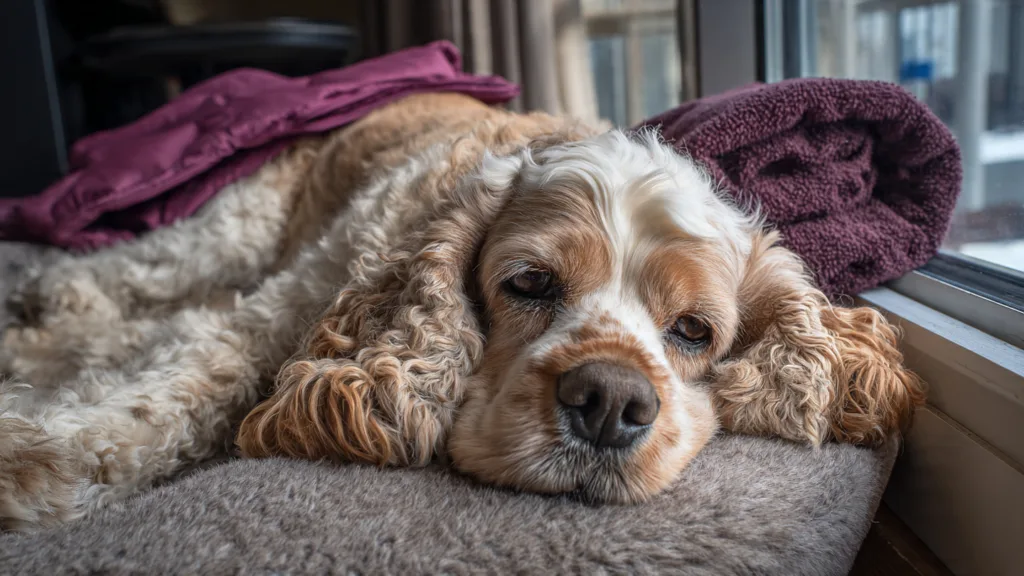
Keeping Your Cocker Spaniel’s Joints Happy and Healthy This Winter ❄️
Hey there, fellow Cocker parent! If you’re like me, you’ve spent years sharing your life with these wonderful, waggy-tailed companions. You know their joyful springs into your lap, their enthusiastic “cockerdile” play, and that occasional stiff get-up after a long nap. As our furry friends age, or even just face the chill of winter, those precious joints need a little extra TLC. I’ve been through this with my senior Cocker, Buddy, and I’ve learned that a proactive approach makes all the difference. Winter, with its cold snaps, dry indoor heat, and tempting couch-potato lifestyle, can be particularly tough on those elbows and hips. So, let’s dive into the best ways to support your Cocker’s mobility and comfort during the frosty season.
Your Winter Joint-Care Action Plan for Your Cocker
Think of this as your cozy winter toolkit. These aren’t drastic changes, but simple, consistent habits that add up to a world of comfort for your dog.
1. Master the Art of the Warm-Up & Cool-Down
Just like an athlete, your Cocker shouldn’t go from zero to sixty. In cold weather, muscles are tighter and joints are stiffer. A sudden sprint after a squirrel can lead to strain.
- Concrete Example: Before your walk, spend 3-5 minutes indoors doing gentle stretches. Massage their shoulders and thighs, slowly extend and flex their legs (only if they’re comfortable!), and let them walk around the house. Start the walk at a slow, sniffing pace for the first block.
- After the walk: Dry their paws and legs thoroughly if they’re wet. Then, another few minutes of gentle petting and massage while they’re lying on their warm bed. This helps prevent stiffness from setting in later.
2. Rethink Exercise: Consistency Over Intensity
Winter isn’t the time for marathon weekend hikes if you’ve been sedentary all week. Irregular activity is a prime culprit for joint pain.
📅 The Winter Week Plan:
Aim for shorter, more frequent walks. Two 20-minute walks per day are far better than one 60-minute slog in the cold. On truly frigid days, replace one walk with indoor brain games (puzzle feeders, hide-and-seek with treats) to keep them moving without the chill.
3. Create a Joint-Friendly Home Environment
Your cozy winter home can be full of joint hazards! Slippery hardwood or tile floors are like ice rinks for a dog with shaky joints.
- Solution: Use inexpensive runner rugs or yoga mats to create secure pathways to their favorite spots-their bed, the water bowl, the door.
- Bedding is Everything: That thin pillow in a drafty corner won’t cut it. Invest in a high-quality, orthopedic dog bed with memory foam. Place it in a warm, draft-free area away from heating vents that can dry out their skin and joints.
4. Nutrition & Supplementation: Fuel for Joints
What your Cocker eats directly impacts inflammation and joint health. Winter is a key time to get this right.
| Nutrient/Supplement | Why It Helps in Winter |
|---|---|
| Omega-3 Fatty Acids (Fish Oil) | Powerful natural anti-inflammatory. Helps combat stiffness exacerbated by the cold. Look for EPA/DHA blends. |
| Glucosamine & Chondroitin | Building blocks for cartilage. Think of them as ongoing maintenance for those aging shock absorbers. |
| Maintaining a Healthy Weight | This is the #1 most important thing. Every extra pound puts direct stress on hips and knees. Winter often means less activity, so adjust food portions accordingly. |
5. Embrace the Power of Physical Therapy Modalities
Don’t be intimidated! This can be simple and done at home.
- Gentle Massage: Daily massages of the thigh, shoulder, and back muscles increase blood flow and warmth. Use slow, circular motions.
- Heat Therapy: A warm (not hot) water bottle wrapped in a towel placed on a stiff hip or shoulder for 10 minutes can work wonders. Always supervise.
6. Paw & Coat Care is Joint Care
Cold, icy paws mean tense, uncomfortable movement. Rock salt and chemical de-icers can cause painful burns and cracks.
When to Press Pause and Call Your Vet
You know your dog best. While some stiffness is normal, especially in senior Cockers, certain signs mean it’s time for professional help. Don’t adopt a “wait and see” approach in winter-discomfort can escalate quickly.
🚨 Call your vet if you notice:
- Persistent Limping or Favoring a Leg: Lasting more than a day or two.
- Noticeable Difficulty standing up, lying down, or climbing stairs.
- Vocalizing: Whining, yelping, or growling when moving or being touched in a specific area.
- Sudden Behavioral Changes: Unusual aggression when approached, loss of appetite, or reluctance to go on walks they usually enjoy.
- Swelling or Heat around any joint.
Your vet can provide pain management options, precise supplement recommendations, or diagnose underlying issues like arthritis or ligament tears.
Bonus Tip: The Winter “Mobility Check-In”
Once a month, do a dedicated “spa and check-in” session. On a warm, quiet evening:
- Give them a gentle full-body massage.
- While they’re relaxed, slowly and gently move each joint through its normal range of motion—front legs forward and back, gentle bending of knees and elbows. Note any resistance, stiffness, or signs of pain.
- Feel along their spine, hips, and shoulders for any signs of tension or heat.
- Observe their posture while standing.
This helps you catch subtle changes early and deepens your bond. Keep a simple log to track what you feel over time-it’s incredibly useful information for your vet.
Looking after your Cocker Spaniel’s joints, especially in the winter and especially as they become seniors, is one of the most loving things you can do. It’s about mindful daily choices that preserve their zest for life. It’s not about wrapping them in bubble wrap, but about creating a foundation of comfort that lets them continue to do the things they love-even if it’s just a happy, wiggly stroll to the mailbox.
What’s the one small change you’ll make this week to help your Cocker move more comfortably?
Maybe it’s laying down a new rug, ordering a fish oil supplement, or just committing to a 5-minute warm-up massage.
Every little bit helps them feel better. Here’s to many more happy, springy steps with your best friend! 🐕💜