Winter and Your Dalmatian: A Guide to Keeping Your Spotted Friend Cozy
Hey there, fellow dog lover! If you’re sharing your life with a Dalmatian, you know they’re a bundle of energy wrapped in a sleek, spotted coat. They’re the true athletes of the dog world, always ready for a run. But when winter rolls in—with its short days and biting winds—I’ve learned from years with my own Dal that their needs change fast.
That famous short, fine coat looks sharp, but it offers almost zero insulation. It’s like wearing a thin windbreaker in a snowstorm! Whether you have a bouncing young pup or a dignified senior, understanding how the cold affects them is the key to a happy, healthy winter. Let’s dive into how to keep your Dalmatian comfortable when the mercury drops.
❄️ Why Your Dalmatian Feels the Chill (The Science)
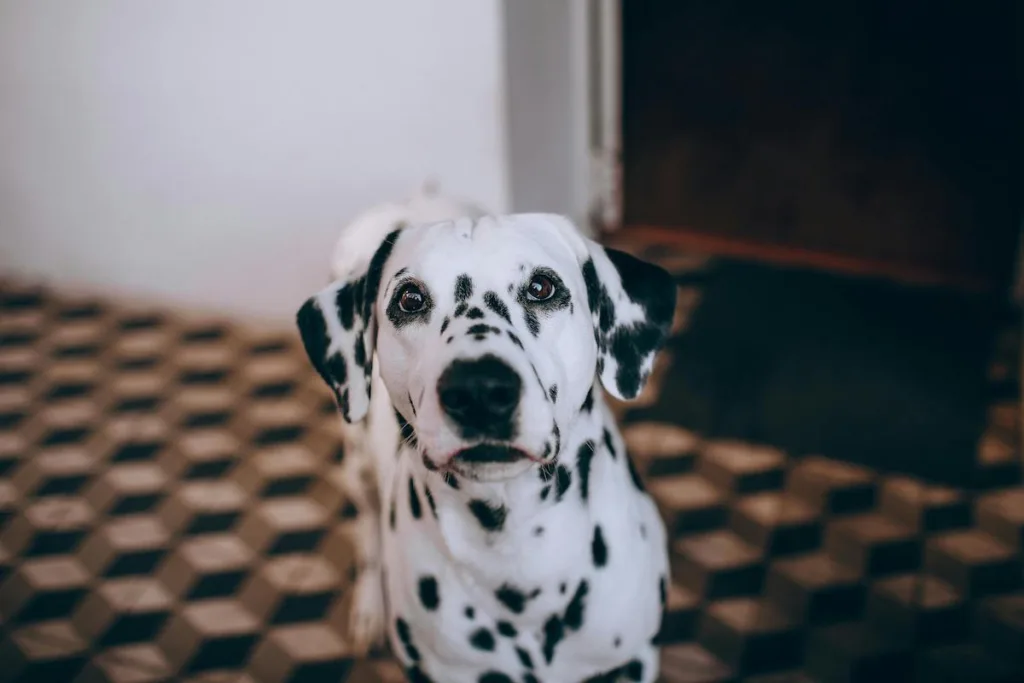
First things first: it’s not just your imagination. Your Dalmatian gets colder much faster than many other breeds. Here is the simple science behind it: they have a single-layered coat. Unlike a Husky or a Malamute with a dense, double coat that traps warm air, a Dal’s hair lies close to the skin. This coat was designed for shedding heat—a trait from their history as carriage dogs running for miles—not for retaining it. Combined with their lean build and minimal body fat, they have no “built-in” protection against the frost.
For senior Dalmatians, this is even more critical. Cold weather can cause older joints to stiffen painfully, and their ability to regulate body temperature isn’t what it used to be. Understanding this vulnerability is the first step in being a great “spotted” parent this season.
Dalmatian Cold Weather Safety Table : Exact Temperatures
“Knowing exactly when the crisp autumn air turns into a winter hazard is vital for your Dalmatian’s safety.”
“Because Dalmatians lack an insulating undercoat, their ‘danger zone’ starts much sooner than you might think.”
“Use this quick-reference guide to help you decide if today is a day for a long hike or just a quick dash around the block.”
| Temperature | Risk Level | Recommended Action |
| Above 10°C (50°F) | Low Risk | Most Dals are fine. No special gear needed unless they are seniors. |
| 5°C to 10°C (41°F – 50°F) | Moderate Risk | Time for a light sweater or fleece, especially for slower walks. |
| 1°C to 4°C (33°F – 40°F) | High Risk | Insulated coat is a must. Keep walks under 20-30 minutes. |
| 0°C (32°F) and below | Very Dangerous | Potty breaks only. High risk of frostbite on ears and paws. |
Pro-Tip :
Watch the “RealFeel”: Remember that humidity and wind chill matter more than the number on the thermometer. A damp, windy day at 5°C (41°F) can be more dangerous for a Dalmatian than a dry, sunny day at 0°C (32°F). If you see your dalmatian lifting their paws, shivering, or Hunching their back, it’s time to head inside immediately!
Step-by-Step Solutions for a Warm and Happy Winter Dal
Don’t worry, a few smart adjustments make all the difference. Think of it as winter-proofing your pup’s routine.
Step 1: Master the Indoor Environment
Your home is their haven. Central heating is great for us, but it can dry out the air, leading to itchy skin for your Dal. I keep a humidifier running in the main living area, and my dog loves to nap near it. More importantly, provide warm, draft-free sleeping spots. That cute bed in the corner by the drafty window? Move it. Use a raised orthopedic bed (fantastic for senior joints) with a soft, warm blanket or a self-warming pad. My old boy, Duke, practically claimed his fleece-covered bed as a throne.
Step 2: Outfit Them for Success (Yes, Dog Coats Are Essential!)
This is non-negotiable for Dalmatians in winter. A good dog coat isn’t a fashion statement; it’s a necessity. Look for one that covers from the neck to the base of the tail and has a snug, but not tight, fit.
- For dry cold: A fleece or quilted insulated coat works wonders.
- For wet/snowy weather: A waterproof or water-resistant shell is a must to keep their skin dry.
And don’t forget the paws! Ice, salt, and chemical de-icers are brutal on paw pads. Dog boots are the ultimate protection. If your Dal absolutely refuses boots (a common battle!), then a protective paw balm applied before walks and a thorough wipe-down with a warm washcloth afterward are critical.
Step 3: Rethink Exercise and Outdoor Time
They still need their exercise, but be strategic. Swap long, leisurely walks for shorter, more frequent outings during the warmest part of the day. Use the cold as a chance to engage their clever brains indoors. A 15-minute training session, a puzzle feeder, or a game of hide-and-seek with treats burns energy and keeps them sharp. For seniors, gentle indoor play and short, slow walks are perfect to keep muscles toned without overstressing stiff joints.
| Winter Activity Idea | Benefit for Your Dal |
|---|---|
| Short, brisk midday walks | Provides potty breaks & sunlight without prolonged exposure. |
| Indoor “sniffari” (hiding treats around a room) | Mental stimulation & low-impact exercise. |
| Basic obedience or trick training refresher | Strengthens bond & works the brain. |
| Gentle tug-of-war or fetch in a long hallway | Good physical activity, especially for seniors. |
Step 4: Nutrition and Hydration Check
While a house dog’s calorie needs might not skyrocket in winter, it’s something to watch. If your Dal’s outdoor activity plummets, they might need slightly fewer calories to avoid weight gain. Conversely, if they’re still very active in the cold, they burn extra energy to stay warm. Consult your vet on portion adjustments. Always ensure fresh, unfrozen water is available. Heated water bowls are a great investment to prevent ice-ups if their bowl is in a garage or porch area.
🩺 When to Call the Vet: Don’t Second-Guess
You know your dog best. If you notice any of these signs, it’s time to pick up the phone:
- Persistent shivering that doesn’t stop once they’re back inside and dried off.
- Whining, anxiety, or reluctance to go outside (beyond the usual dislike of rain).
- Limping or lifting paws during walks, which could indicate ice ball formation or chemical burns from de-icers.
- Increased stiffness or difficulty rising in your senior Dal, which cold can exacerbate.
- Any signs of dry, cracked, or bleeding paw pads.
It’s always better to be safe and get a professional opinion.
Final Tips from One Owner to Another
Winter with a Dalmatian is all about mindful care. Grooming is still important—regular brushing stimulates blood flow and distributes natural oils for healthier skin. After every walk, make it a ritual to wipe down their paws, belly, and legs to remove salt and moisture. Most of all, pay attention. If your dog is curling up tightly, seeking heat vents, or seems lethargic, they’re telling you they’re cold. Listen to them.
Quick Reminder: Never leave your Dalmatian in a cold car. Cars act like refrigerators in winter, and they can develop hypothermia just as quickly as in summer heat.
Wrapping Up
Caring for a Dalmatian in the winter is really about embracing your role as their comfort curator. With their unique coat and build, they rely on us a bit more when the mercury falls. By tweaking their wardrobe, routine, and home setup, you can ensure your spotted companion stays active, healthy, and utterly cozy all season long. There’s nothing better than curling up with a warm, content Dal after a crisp winter walk.
What’s the one winter hack that your Dalmatian absolutely loves? Is it a particular style of coat, a favorite indoor game, or a special sleepy-time spot? I’m always looking for new ideas to try with my crew!