Oh No! My British Shorthair Kitten Feels Cold to the Touch. What Do I Do?
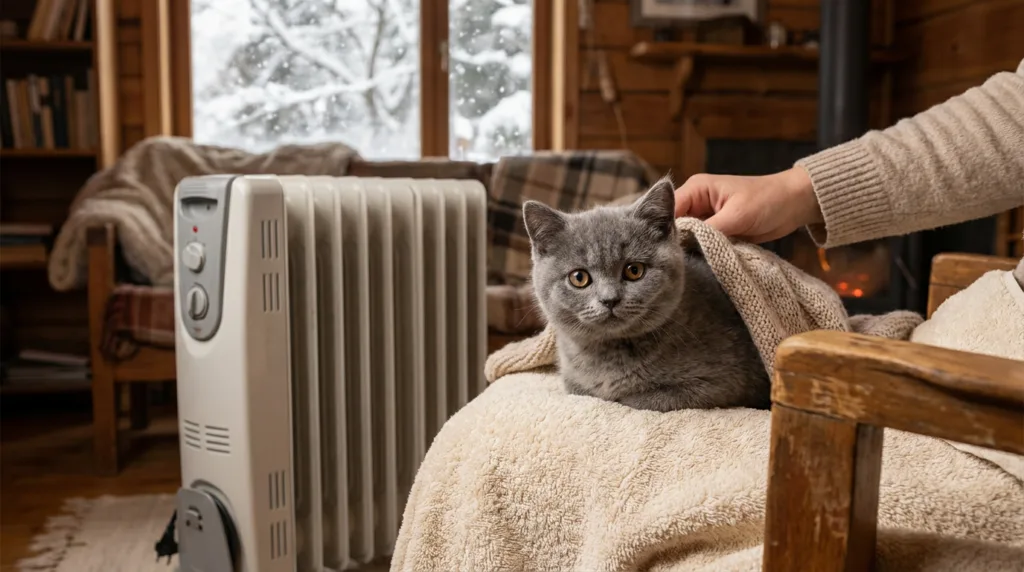
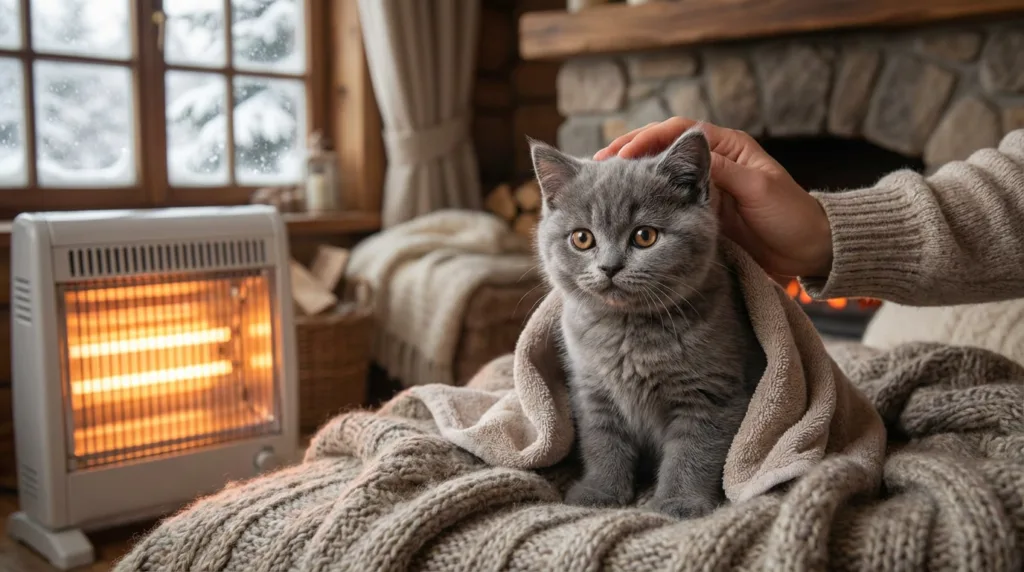
First things first, take a deep breath. I’ve been there, and that moment of panic when you pick up your little furball and they feel cooler than they should is absolutely terrifying. You’re not a bad pet parent for being worried. In fact, you’re a great one for noticing and wanting to act fast. British Shorthair kittens, with their dense but short coats and stocky builds, are generally sturdy, but their tiny bodies can struggle to regulate temperature, especially in winter. Let’s walk through this step-by-step, just like I would with a friend.
🆘 Immediate Actions to Warm Your Chilly Kitten
Your goal here is gentle, gradual warming. Never use direct, intense heat like a human heating pad on high or a hairdryer, as this can shock their system or even cause burns.
Skin-to-Skin Contact:
This is your number one, most effective tool. Tuck the kitten inside your shirt or sweater against your bare skin. Your body heat is perfect, it’s consistent, safe, and comforting. Hold them close for at least 20-30 minutes while you prepare the next steps.
Create a Warm Nest:
Grab a small cardboard box or a pet carrier. Line it with several soft blankets or towels. For the quickest heat source, warm a towel or a sock filled with dry rice in the microwave for no more than 30 seconds. Test it on your wrist, it should be warm, not hot. Wrap this in another towel and place it in the nest. This gives them a safe spot to curl up against.
Raise the Room Temperature:
If your home is chilly, bump up the thermostat a few degrees. Close doors to drafty rooms. The ideal ambient temperature for a vulnerable kitten is around 75-80°F (24-27°C).
Offer Warmth & Nourishment:
Once they seem a bit more alert, try offering a little lukewarm water or kitten formula from a dropper or syringe (without a needle). The internal warmth from fluids can help. Do not force it if they are unresponsive.
❄️ Why Winter is Especially Tough on British Shorthair Kittens
We love their plush, teddy-bear coats, but that coat isn’t fully developed in a kitten. Combine that with their naturally low activity level, they’re champions of napping, not marathon running, and you have a little creature that can get cold quickly. Winter means:
Drafty Floors:
Cold air sinks. That beautiful hardwood or tile floor your kitten is lying on can be 10+ degrees colder than the air at couch level.
Dry Air from Heating:
Our furnaces and heaters dry out the air, which can subtly dehydrate a kitten, making it harder for their body to function properly.
Less Sunbathing:
Fewer sunny, warm patches on the floor for them to soak up natural heat.
🩺 Pro Tip from Experience:
A kitten’s normal rectal temperature is between 100-102.5°F. If you don’t have a thermometer, a good rule of thumb is that their ears and paw pads should not feel cold. If the belly feels cool, it’s a definite sign they need help warming up.
🚨 When This is a Veterinary Emergency
While you can handle mild chilliness at home, some signs mean you need to get to the vet immediately. Don’t wait it out.
| Symptom | What It Means |
|---|---|
| Lethargy Extreme (won’t move, limp) | Their body is shutting down, focusing only on vital organs. |
| Whining, Crying, or No Sound | Signals severe distress or weakness. |
| Pale or Bluish Gums | Indicates poor circulation or lack of oxygen. |
| Refusing to Eat/Drink for >12 hrs | Kittens crash fast without energy. |
| Cold to the touch AND wet | Hypothermia risk is drastically higher. |
If you see any of these, call your vet on the way. Wrap them in that warm towel and go. It’s always better to be safe.
🛡️ Preventing the Chill: Your Winter Kitten Comfort Plan
Once your kitten is warm and safe, let’s make sure it doesn’t happen again. A little prep goes a long way!
Strategic Bedding:
Place multiple cozy beds around the house, especially in elevated spots (a cat tree by a sunny window, a couch cushion). Get them off that cold floor! Heated cat beds made for pets are a fantastic, safe investment, just ensure they have a removable cover.
Draft Patrol:
Feel for drafts near windows and doors. A cheap draft stopper can make a big difference. Create a “kitten zone” in the warmest room of the house.
Snuggle Time is Functional:
Encourage playtime with wand toys to get their blood pumping. After play, a cuddle session under a blanket is both bonding and warming.
Nutrition Matters:
Feed high-quality kitten food. Generating body heat requires calories. In winter, they might need a tiny bit more food, check with your vet.
Sweater Weather?
For very young or small kittens, a well-fitted kitten sweater can help during especially cold days, but only if they tolerate it. Never leave it on unsupervised.
Seeing your British Shorthair kitten cold is scary, but now you’re equipped with the knowledge to react calmly and effectively. Remember, your instinct to protect them is your best guide. With your care, that little round-faced buddy will be back to their playful, purring self in no time.
What’s your kitten’s favorite warm spot in your house during the winter? Is it a particular sun patch or a fuzzy blanket fort you made? Share your cozy-kitten tips below! 🐾