Introduction: Your Agile Abyssinian and the Winter Chill
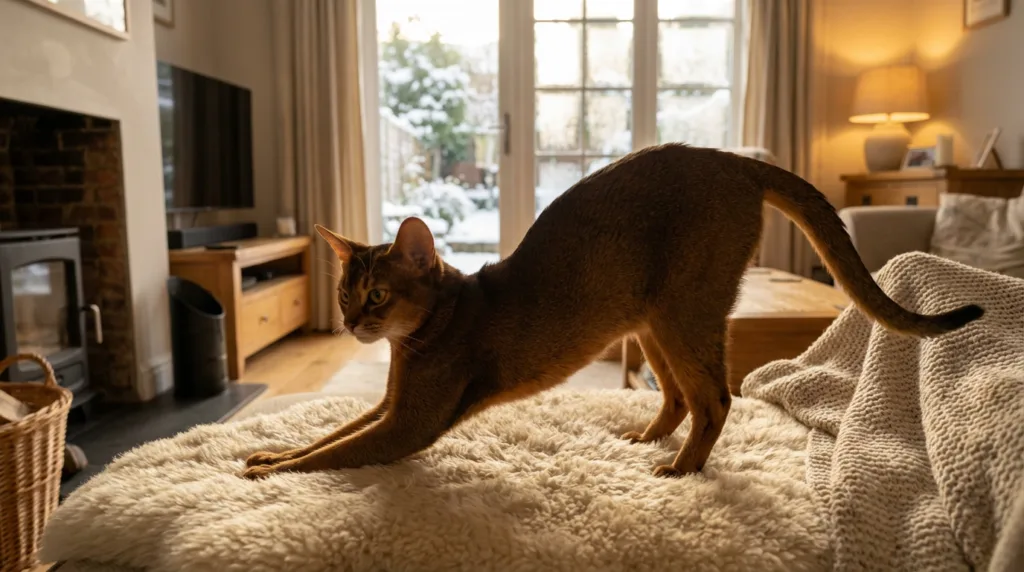
If you share your life with an Abyssinian cat, you know they’re more than just pets, they’re tiny, elegant athletes. Bred from ancient lines, these cats are known for their incredible agility, boundless energy, and that signature “ticked” coat. Watching an Aby leap to the top of a bookshelf or sprint through the house is like watching a miniature puma in action. Their joints are the finely-tuned springs that make all that grace possible.
But here’s the thing many of us seasoned owners notice: when winter rolls in, sometimes that spring in their step can lose a little bounce. The cold weather, dry air from our heating, and our own tendency to hunker down can create a perfect storm for joint stiffness, even in younger cats. It’s not about a specific disease necessarily, but about supporting their incredible bodies through a season that isn’t their natural friend. Think of it like a runner on a cold morning, they need a good warm-up. This guide is all about being your Aby’s proactive coach, ensuring their joints stay as supple and healthy as their adventurous spirit.
Why Winter is Tough on an Aby’s Joints
You might think, “My cat is indoors, how does winter affect them?” It’s a fair question. The impact is indirect but real, and it comes down to three main factors that work together.
The Cold, Dry Triple Threat
First, there’s the temperature drop. Even indoors, drafts or cooler floors (like tile or hardwood) can cause muscles and tissues around joints to tighten up, leading to stiffness. It’s their body’s natural response to conserve heat.
Second, we crank up the heat 🔥. While it keeps us toasty, forced air heating sucks moisture out of the environment. This dry air can subtly dehydrate the body, potentially affecting the synovial fluid that acts as a lubricant and shock absorber in the joints.
Finally, there’s decreased activity. This is a big one. In winter, we go out less, the sun sets early, and the household energy changes. Our playful Abyssinians often mirror this. Less running, jumping, and playing means less natural movement to keep those joints lubricated and muscles strong. A sedentary lifestyle is the enemy of joint health for any athlete, furry or otherwise.
Natural Predispositions to Keep in Mind
While Abyssinians are generally a healthy breed, their very structure, lean, muscular, and built for agility, means their joints are high-performance parts. They can be more prone to certain conditions like patellar luxation (a slipping kneecap), which might become more noticeable with stiffness. Also, as they age (and our beloved companions do get older), some wear and tear, or early signs of arthritis, can be exacerbated by the winter conditions. It’s not about fear, but about mindful awareness.
Your Step-by-Step Winter Joint Care Plan
Now for the good part, what you can actually do! This isn’t about drastic changes, but about smart, loving adjustments to your routine.
Step 1: Optimize Their Environment for Warmth and Ease
This is your first and easiest line of defense. Make your home a joint-friendly haven.
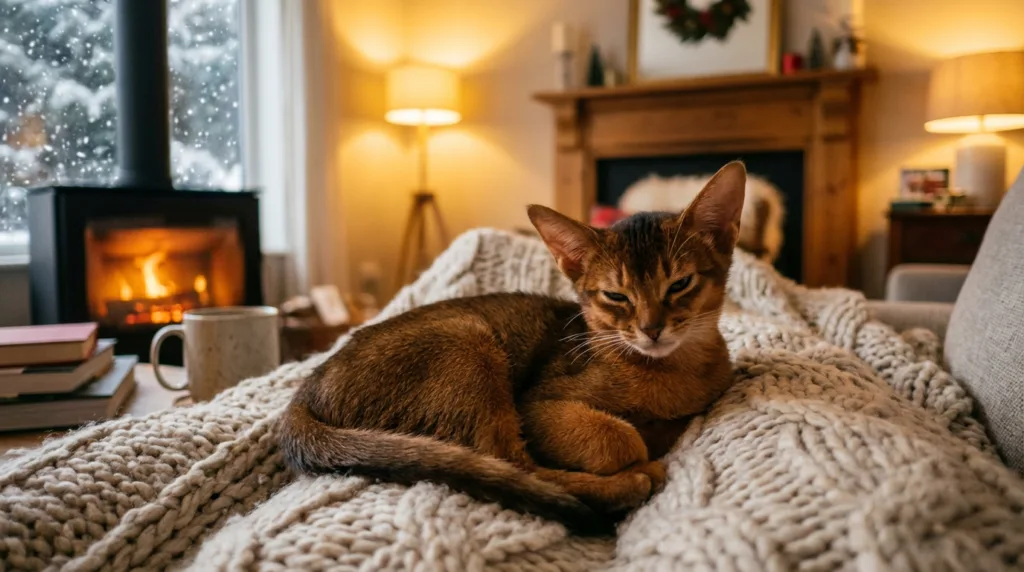
- Create Cozy, Draft-Free Zones: Place plush beds or blankets in their favorite spots, away from cold floors and drafts. Consider a heated cat bed (with a safe, low-wattage, chew-resistant cord) for their main sleeping area. My old boy, Leo, practically lives on his from December to March.
- Improve Accessibility: If your Aby loves a high perch, make sure they have a “staircase” option. Use sturdy stools or pet steps next to the bed or their favorite couch. This reduces the impact of big jumps on cooler, stiffer joints.
- Humidify the Air: A simple humidifier in the main living area can combat dry heat, benefiting both your skin and your cat’s overall hydration.
Step 2: Encourage Gentle, Consistent Movement
You can’t force an Aby to play, but you can make it irresistible. The goal is low-impact, engaging activity.
- Short, Frequent Play Sessions: Two 10-minute sessions are better than one frantic 20-minute sprint. Use a wand toy to encourage stretching, pouncing, and gentle leaps without high-impact landings.
- Food Puzzles & Scatter Feeding: This is a game-changer. Instead of a bowl, hide portions of their kibble in a puzzle feeder or scatter it on a mat. They have to crouch, dig, and move thoughtfully, engaging their muscles and mind with minimal joint stress.
- The “Pre-Warm-Up”: Before a big play session, spend a minute just gently massaging their legs and shoulders. You’ll feel if anything seems tense, and it gets the blood flowing.
Step 3: Nutrition and Hydration – The Internal Support System
What goes in their bowl matters more than ever in winter.
| Nutrient/Factor | Why It Helps Joints | How to Provide It |
|---|---|---|
| Omega-3 Fatty Acids | Powerful natural anti-inflammatories that can ease stiffness. | High-quality fish oil supplement (vet-approved), or foods rich in EPA/DHA. |
| Hydration | Keeps all bodily fluids, including joint lubricants, flowing. | Provide multiple water sources, consider a water fountain, add wet food to their diet. |
| Maintaining a Healthy Weight | Every extra ounce adds stress to knees and hips. | Measure food portions, adjust for lower winter activity, avoid too many treats. |
| Joint Supplements (Glucosamine/MSM) | Can help support cartilage health and lubrication. | Many vet-formulated chews or liquids are available. Always consult your vet first. |
Pro Tip: The “Paw Check”
Get in the habit of checking your Aby’s paws when they come in from a cold balcony or porch (if they have access). Look for dryness or tiny cracks on the pads, and wipe away any ice melt or salt, which can be toxic if licked off. A little pet-safe balm can keep pads supple.
Key Advice and When to Call the Vet
Even with the best care, it’s crucial to know the signs that something needs professional attention. Trust your gut—you know your cat’s normal “vibe” better than anyone.
🚨 Red Flags: Time to Make the Call
If you notice any of the following, don’t wait for spring. Schedule a vet visit:
- Noticeable Limping or Stiffness that lasts more than a day or two, or that seems to get worse.
- Reluctance to Jump to places they’ve always easily reached.
- Vocalizing (hissing, yowling) when moving or being picked up.
- Over-grooming a specific joint area, which can indicate pain.
- Significant Change in Personality: Becoming withdrawn, irritable, or losing interest in play entirely.
Your vet can rule out injuries or conditions like arthritis and may recommend pain management, specific supplements, or even therapies like laser treatment, which can work wonders.
Conclusion: A Season of Cozy Care
Caring for your Abyssinian’s joints in winter is really an extension of the attentive love you already give them. It’s about mindful observation, a few tweaks to their environment and routine, and keeping that magnificent body moving in gentle, joyful ways. By embracing this proactive approach, you’re not just combating stiffness, you’re investing in years of future leaps, zooms, and that delightful, head-butting affection. There’s nothing more rewarding than seeing your agile friend move with comfort and confidence, no matter what the weather is doing outside.
I’d love to hear from you! What’s your Abyssinian’s favorite winter-friendly game or cozy spot in the house? Sharing our experiences is how we all become better pet parents. 🐾