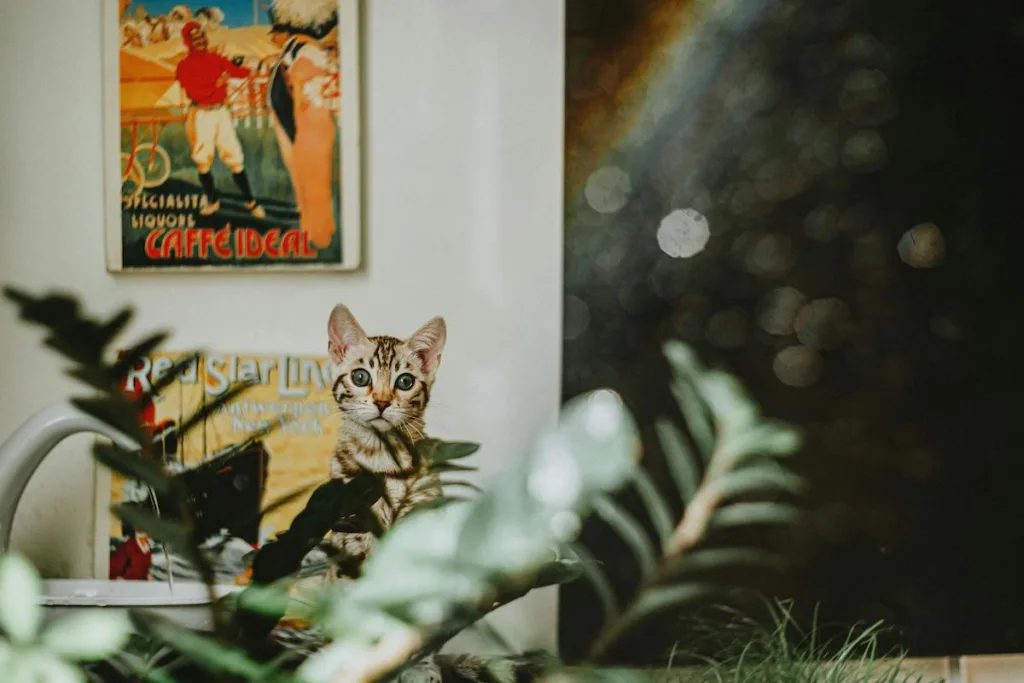
Your Bengal Cat and Winter Chills: A Seasoned Owner’s Guide to Cozy Comfort
Hey there, fellow Bengal lover! If you’re reading this, chances are your sleek, wild-looking companion is giving you those “I’m not thrilled about this temperature” signals. I’ve been through many winters with my own energetic Bengals, and let me tell you, their relationship with the cold is… complicated. 🥶 While their stunning, dense coat offers some protection, Bengals are not built like a Siberian Husky. They crave warmth, activity, and comfort. When winter hits with its shorter days, dry heating, and dropping temps, even our high-energy adventurers can feel the slump.
Think of it this way: your Bengal is a tiny, elegant athlete. In winter, their stadium (your home) gets colder and drier, which can affect their performance and mood. Our job isn’t to turn them into couch potatoes, but to adapt their environment so their vibrant spirit can thrive all season long. This guide is all about practical, tried-and-true solutions to keep your Bengal happy, healthy, and warm from the first frost to the spring thaw.
Why Your Bengal Feels the Cold Differently
First, let’s understand the “why.” It’s not just in their heads! A few key factors make Bengals a bit more sensitive to the winter season:
- The Energy Drain: Bengals burn calories fast. Maintaining body heat in a cold environment uses extra energy, which can leave them feeling more lethargic or hungrier.
- Dry Air, Dry Skin: Central heating is a lifesaver for us but sucks moisture out of the air. This can lead to dry, flaky skin and a dull coat for your cat.
- The Activity Slump: Less daylight and cold surfaces can naturally curb their famous “zoomies.” Reduced activity means less body heat generated.
- That Sleek Coat: While beautiful, a Bengal’s coat is often shorter and finer than a long-haired breed’s. It’s a great insulator, but it has its limits against drafts and cold floors.
Don’t worry, we’ve got this! Transforming your home into a Bengal-friendly winter haven is easier than you think. Follow these steps to create the perfect cozy ecosystem.
Step 4: Winter-Proof Their Wellness
A few extra touches go a long way in keeping them in top shape.
| What to Watch For | Your Action Plan |
|---|
| Dry, Itchy Skin & Static Fur | Brush regularly with a soft brush. This distributes natural oils and checks for flakes. Consider an omega-3 supplement (vet-approved). |
| Cold Paws & Ears | After a brief outdoor trip (on a harness, of course!), gently wipe their paws to remove ice melt or salt, which can be toxic. Feel their ears; if they’re very cold, warm them up gently with your hands. |
| Lethargy or Hiding Excessively | A slight decrease in activity is normal. But if they’re hiding all day, seem stiff, or are vocalizing in discomfort, it’s time to look deeper. |
Pro Tips & When to Sound the Alarm
Create a Sunbeam Sanctuary: Track the sun’s path in your home. Move a cat bed or blanket to follow the sunny spots throughout the day. Your Bengal will thank you.
Snuggle Time is Therapy: Your lap is the warmest spot in the house. Encouraging cuddles under a blanket is beneficial for both of you—it’s a bonding and warming session in one!
Beware of Heaters: While they love warmth, keep electric space heaters and heating vents off-limits. A curious paw or too-close nap can lead to burns or overheating.
🚨 When to Call the Vet
Most winter adjustments are simple, but stay vigilant. Contact your veterinarian if you notice:
- Persistent shivering (occasional shivers when cold are okay, constant shaking is not).
- Signs of illness: Coughing, sneezing, runny eyes/nose (cold weather can stress the immune system).
- Drastic changes: A significant drop in appetite, energy, or weight, or any signs of joint pain or stiffness (arthritis can flare in the cold).
- Skin issues: Excessive scratching, bald patches, or inflamed skin that doesn’t resolve with brushing and humidity.
It’s always better to be safe and get a professional opinion.
Wrapping Up: A Warm Bengal is a Happy Bengal
Navigating winter with your Bengal is all about proactive comfort. By creating warm zones, managing your home’s climate, keeping them active, and staying observant, you’ll not only beat the cold but also deepen your bond. Remember, you know your cat best. That slight change in their nap spot or a new favorite blanket burrow is them communicating their needs. Embrace the season as a time for cozy indoor adventures and extra snuggles.
What’s the one quirky thing your Bengal does to seek out warmth? Does he commandeer your laptop keyboard, or does she have a specific sunbeam schedule? Share your stories—we’re all in this cozy community together! 🐾