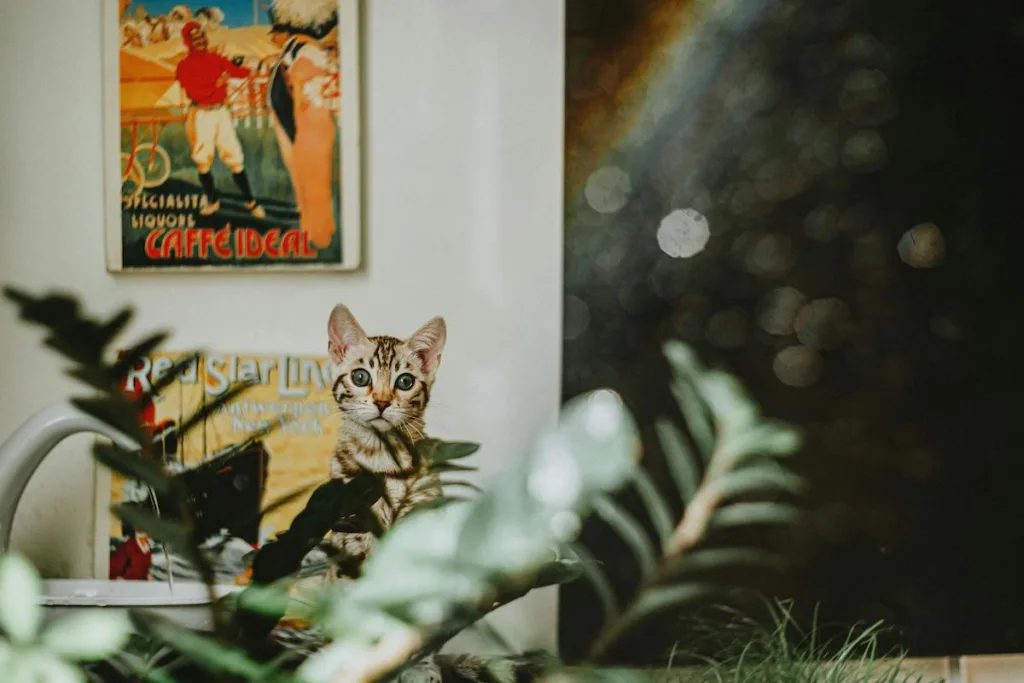
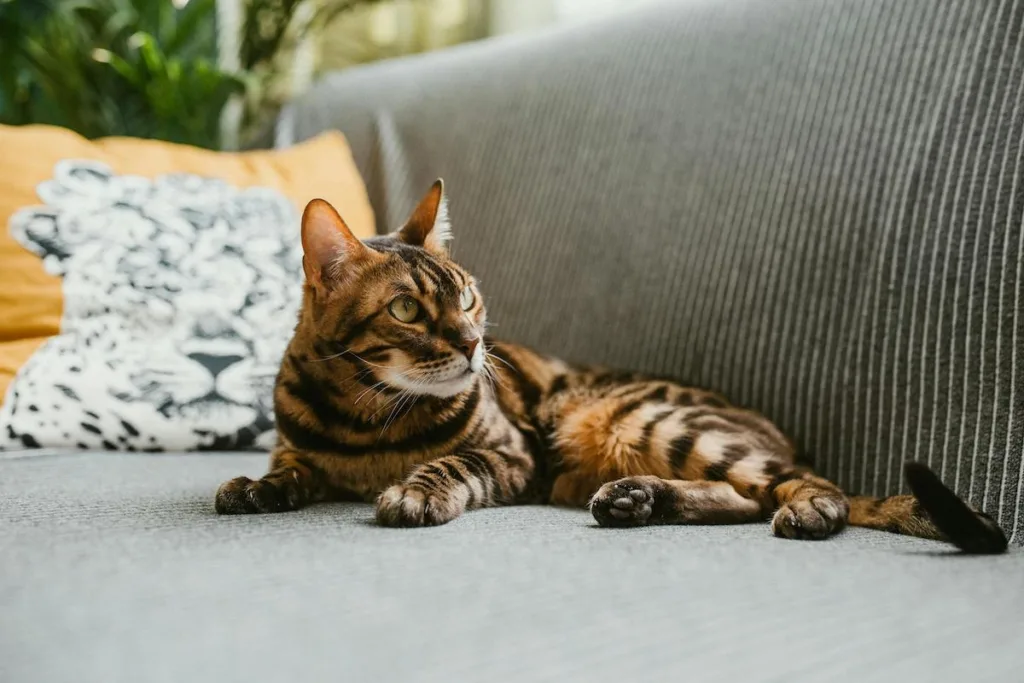
Hey there, fellow Bengal lover! 🐾 If you’re reading this, you know our spotted and marbled friends aren’t your average house cats. That wild ancestry from the Asian leopard cat gives them an incredible energy and a stunning coat, but it also means they experience the world a bit differently—especially when the temperature drops. Over many winters with my own Bengals, I’ve learned that keeping them happy and healthy in the cold is about more than just cranking up the heat. It’s about understanding their unique needs. So, let’s dive into the best practices for navigating winter with your Bengal, ensuring they stay active, cozy, and out of trouble until spring rolls back around.
Your Bengal’s Winter Survival Guide: Top 5 Essentials
Think of this as your go-to checklist. Getting these fundamentals right makes all the difference for your Bengal’s comfort and safety during the colder months.
- Master the Indoor Climate: Avoid drafts and create perfect cozy zones.
- Combat Winter Boredom: Keep that brilliant mind and athletic body engaged.
- Adjust Food & Hydration: Watch their diet as activity levels shift.
- Skin & Coat Care: Prevent dry skin and static shocks.
- Safety-Proof the Season: From heaters to holiday hazards.
1. Mastering the Indoor Climate: Cozy Zones are Key
Bengals often seek out warm spots, but they can be picky about it. You might find yours sprawled in a sliver of sunlight on the floor, then an hour later, shunning a perfectly good heated bed. The goal is to offer options.
- Draft Patrol: Feel for cold air around windows and doors. A Bengal will sit in a drafty spot and then get chilled without moving. Use draft stoppers or insulating film.
- Warm Bed Arsenal: Don’t buy one bed, create several types. Try a simple fleece blanket in a cardboard box (they love the texture), a plush cave bed, and one with a low-wattage heating pad made for pets. Place them in their favorite lounging areas.
- Heater Safety: Space heaters are a major hazard. Use models with automatic shut-offs and tip-over protection, and never let your Bengal get too close. They might singe their fur without realizing it.
2. Combating Winter Boredom: Engage the Hunter
A bored Bengal is a destructive Bengal. With less outdoor stimulation and shorter days, their pent-up energy needs an outlet.
Pro Tip: Schedule two 15-minute intense play sessions daily. Use a wand toy to mimic prey—darting, hiding, leaping. End with a “catch” and a small treat. This satisfies their hunting instinct better than hours of casual play.
Puzzle Power: Food puzzles are a winter lifesaver. They turn mealtime into a brain game. Start with a simple snuffle mat or a rolling ball dispenser.
New Vantages: Bengals love height. A new cat tree by a winter window (make sure it’s not drafty) provides “cat TV” and a sense of territory. Even rearranging shelves to create a new climbing path can spark interest.
3. Food, Water & Weight: The Seasonal Shift
Your Bengal’s metabolism and activity level can change in winter. Some become couch potatoes, others burn calories trying to stay warm. You need to be observant.
| What to Watch For | Your Action Plan |
|---|---|
| Eating more but napping all day | Measure portions carefully to prevent slow, winter weight gain. Consult your vet about calorie needs. |
| Drinking less water (common with dry winter air) | Add a water fountain. Cats are drawn to moving water. You can also add a splash of warm water or low-sodium broth to their wet food. |
| Seeming hungrier but maintaining high activity | A small increase in food, especially high-protein wet food, may be needed. Focus on quality. |
4. Skin, Coat & Static: The Itchy Issues
Dry, heated air is tough on that gorgeous pelt. You might notice more dandruff, increased shedding, or hear the dreaded zap when you pet them.
- Humidity is Your Friend: Aim for 40-50% humidity. A good humidifier near their favorite room helps everyone—you, your plants, and your cat’s skin and respiratory system.
- Brush Regularly: Use a soft silicone brush or grooming glove. This distributes natural oils, removes loose fur, and is a bonding activity. My Bengal demands this as part of his evening routine!
- Static Shock Solution: If your cat gets zapped, it can make them skittish. Lightly mist your hands with water before petting, or use a pet-safe anti-static spray on their bedding.
5. Winter-Specific Safety Proofing
The season brings unique dangers. Be proactive.
- Antifreeze is lethal and smells sweet. Wipe paws if they’ve been in the garage, and store all chemicals locked away.
- Holiday Decorations: Tinsel and ribbon are irresistible but cause deadly intestinal blockages if swallowed. Secure Christmas trees, and avoid fragile ornaments on lower branches.
- Hidden Hideaways: Cats seek warmth in dangerous places like clothes dryers, under car hoods, or near furnace vents. Always do a headcount and bang on the hood of your car before starting it.
🩺 When to Call the Vet
Don’t hesitate to reach out to your veterinarian if you notice any of the following, as they can be signs of more than just “winter blues”:
- Lethargy that lasts more than a day or two, especially if they’re ignoring favorite toys or treats.
- Signs of joint stiffness (hesitating to jump, limping) which can be exacerbated by cold.
- Excessive scratching, bald patches, or inflamed skin indicating a possible allergy or dermatitis from dry air.
- Changes in litter box habits (straining, going outside the box), which can sometimes be linked to decreased hydration.
- Coughing, sneezing, or watery eyes that persist, as indoor air quality can affect their respiratory system.
Bonus Tip: The “Adventure Hour”
If your Bengal is leash-trained, a short, supervised outing on a mild winter day can be fantastic mental stimulation. Choose a calm, sunny afternoon with no ice or salt on the ground. Let them sniff, explore a safe backyard, and feel the different air. The key is short and positive—just 10-15 minutes. Always dry their paws and belly thoroughly when you come back inside. It breaks the monotony and satisfies their incredible curiosity.
Winter with a Bengal can be a joy—full of cozy cuddles and hilarious antics as they chase sunbeams across the floor. By thinking ahead and tuning into their needs, you’ll both enjoy the season more. It’s all about working with their wild-hearted nature, not against it.
What’s your Bengal’s favorite quirky way to stay warm during the winter? Do they have a strange obsession with a particular heat vent or blanket? Share your stories below! 👇