
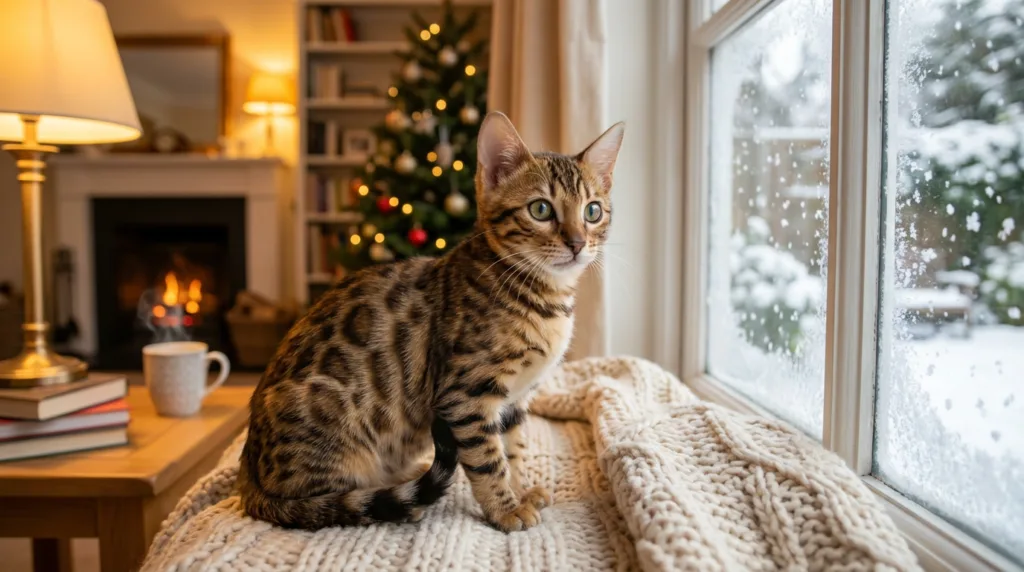
The Top 5 Things to Watch This Winter
Hey there, fellow Bengal lover! So, you’ve brought home this incredible bundle of spotted energy, and now winter is rolling in. I remember my first winter with my Bengal, Leo the sudden worry when I saw him curled up a little tighter, the concern about dry air from the heater, and the dip in his crazy kitten antics. It’s a whole new ballgame. Bengals aren’t your average house cats; they’re a unique blend of wild ancestry and domestic cuddle bug, which means their needs, especially as kittens, can be a bit different when the temperature drops. This guide is the stuff I wish I’d known back then. We’ll walk through everything to keep your spotted friend thriving, not just surviving, this winter.
- The Top 5 Things to Watch This Winter
- Your Winter Bengal Kitten: A Quick Survival Guide for the Cold Months
Your Winter Bengal Kitten: A Quick Survival Guide for the Cold Months
Winter with a Bengal kitten isn’t about panic; it’s about smart, proactive care. Here’s your quick-hit checklist of priorities:
- 🥶 Temperature & Draft Control: Kittens, especially lean Bengals, lose body heat fast.
- 💧 Humidity is Your Secret Weapon: Combat dry, heated air that irritates skin and lungs.
- ⚡ Maintaining That Famous Bengal Energy: Beat the winter boredom and inactivity slump.
- 🍖 Fueling the Furnace: Adjusting food and water for winter needs.
- 🛏️ Cozy, Warm Sanctuaries: Creating the perfect warm sleep spots.
1. Battling the Chill: Keeping Your Kitten Warm
Your Bengal kitten’s ideal ambient temperature is between 75-80°F (24-27°C) for the first few weeks, settling to a comfortable 70-75°F (21-24°C) as they grow. Winter homes often dip below this, especially at night. Drafts from windows or doors are the sneaky enemy.
Concrete Actions:
- Get a digital thermometer for the rooms they frequent.
- Use draft stoppers under doors.
- Provide heated cat beds (with low-watt, chew-resistant cords) or microwavable heat pads. Always place a blanket over a heating pad and ensure there’s a “cool zone” they can move to.
- If your kitten feels cool to the touch, is shivering, or is hunching in a tight ball away from activity, they’re too cold. Warm them slowly with your body heat or a warm (not hot) towel.
2. The Invisible Enemy: Dry Winter Air
Forced-air heating sucks moisture out of the air, leading to dry, itchy skin, a brittle coat, and even respiratory discomfort for your little one.
Concrete Actions:
- Invest in a good humidifier for the main living area. Aim to keep indoor humidity around 40-50%.
- Gently brush your kitten regularly. This distributes natural skin oils and stimulates blood flow.
- If their paw pads or nose seem cracked, consult your vet for a pet-safe moisturizer.
Food & Water: Winter Adjustments
| The Need | The Solution |
|---|---|
| More calories to maintain body heat. | Consult your vet about a slight increase in high-quality kitten food. Don’t just free-feed; monitor intake. |
| Reluctance to drink cold water. | Offer room-temperature or slightly warm water. Consider a pet water fountain to encourage drinking. |
| Boredom leading to overeating. | Use puzzle feeders to make mealtime engaging and slow down eating. |
3. Keeping the Spark Alive: Mental & Physical Stimulation
A bored Bengal is a destructive Bengal. Winter often means less natural sunlight and more lethargy. We have to recreate the “hunt.”
Concrete Actions:
- Structured Play: Two 15-minute interactive play sessions daily (dawn & dusk mimic natural prey drive). Use wand toys to make them leap and pounce.
- Climbing & Perching: A tall cat tree by a secure window provides mental stimulation and a sunny spot.
- Training: Teach simple commands like “sit” or “spin” using clicker training. It tires their brain!
4. Creating Cozy Sanctuaries
Your kitten should have multiple warm “base camps” around the house. Think enclosed spaces that trap body heat.
Concrete Actions:
- Place soft, fleece blankets in their favorite cat caves, boxes, or perches.
- Position beds away from drafty floors, on a sofa, shelf, or inside a sturdy cat condo.
- My Bengal’s favorite? A simple cardboard box with a soft blanket, placed in a sunny patch on the living room floor.
5. When to Call the Vet: Don’t Second-Guess
Kittens are vulnerable. In winter, be extra vigilant. Contact your veterinarian immediately if you notice:
- Persistent lethargy or weakness (more than a lazy nap).
- Signs of respiratory distress: coughing, sneezing, labored breathing, or nasal/eye discharge.
- Loss of appetite or refusal to drink for more than 12 hours.
- Any signs of hypothermia: violent shivering that stops, muscle stiffness, shallow breathing, collapse.
🌟 Bonus Pro Tip: The “Pre-Warm” Ritual
Here’s a game-changer I learned: pre-warm their spaces. Before you bring your kitten into a room for play or cuddles, especially in the morning, take 60 seconds. Turn on a small space heater (safely out of reach), place their heat pad in their bed, or even just rub your hands on their favorite blanket to warm it with friction. This immediate welcome of warmth prevents that initial chilly shock and makes them feel incredibly secure. It’s a small act that builds huge trust during the cold kitten months.
Winter with your Bengal kitten can be a magical time of cozy cuddles and watching them discover the wonder of falling snow from a warm window. By thinking ahead about temperature, humidity, activity, and nutrition, you’re setting your spotted family member up for a healthy, happy season. It’s all about working with their incredible nature, not against it.
What’s the first cozy spot your Bengal kitten claimed as their own this winter? 🐾