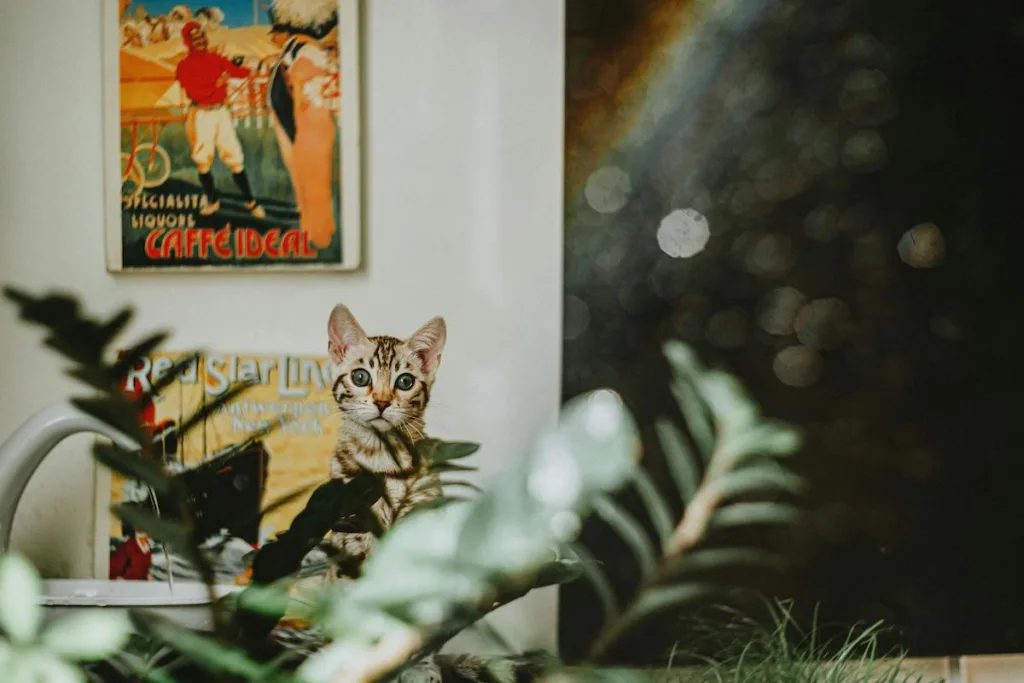

Is the Bengal Cat Right for Me? Your Honest FAQ Guide
Hey there, fellow cat lover! 👋 If you’ve been mesmerized by those stunning, leopard-like coats and boundless energy, you’re probably wondering if a Bengal cat is your perfect match. I’ve shared my home with these incredible felines for years, and let me tell you, they’re not your average lap cat. They’re a unique, wonderful handful. Let’s dive into the real, no-fluff details to see if your lifestyle and a Bengal’s needs are a match made in heaven.
What Exactly IS a Bengal Cat?
First things first, a Bengal isn’t a wild cat you’re bringing into your living room. They are a domesticated hybrid, originally created by crossing small Asian Leopard Cats with domestic shorthairs. The goal? To capture that breathtaking wild appearance but with a (mostly) tame temperament. Think of them as the ultimate athlete in a designer suit—all muscle, grace, and intelligence wrapped in a spotted or marbled coat that shimmers in the light. Most Bengals you’ll find are several generations removed from their wild ancestors, making them true family pets.
The Bengal Temperament: Energetic Genius or Demanding Diva?
This is the big one. Forget the stereotype of a cat sleeping 18 hours a day. A Bengal’s temperament is more like a cross between a cat, a dog, and a mischievous toddler.
- 🐆 Highly Active & Playful: They have immense physical and mental energy. A bored Bengal is a destructive Bengal. They need interactive play every single day.
- 🧠 Incredibly Smart & Curious: They learn tricks, open doors and cupboards, and solve puzzle feeders in seconds. You’ll need to stay one step ahead!
- 💧 Water-Lovers: Many Bengals are fascinated by water. Don’t be surprised if they join you in the shower, play with the faucet, or dip their paws in your water glass.
- 🗣️ Vocal & Communicative: They often have a lot to say, but it’s not always a loud meow. Expect chirps, trills, and detailed “conversations” about their day.
- ❤️ Affectionate (On Their Terms): They form deep bonds but aren’t always cuddly. Their affection is shown through following you everywhere, “helping” with chores, and energetic greetings.
Real-Life Example:
My Bengal, Kai, has a routine: 6 AM “wake-up service” (paw to the face), an hour of chase-the-feather before breakfast, supervised “hunting” in the catio, and an evening session of fetch. He also figured out how to turn on the bathroom tap for a fresh drink. Life is never dull!
Meeting the Needs of a Bengal: It’s a Commitment
Owning a Bengal isn’t hard, but it is intensive. They require specific care to be happy and healthy.
| Need | What This Really Means |
|---|---|
| Diet & Nutrition | Many Bengals have sensitive stomachs and do best on high-protein, high-quality diets. Grain-free wet food or a balanced raw diet (under vet guidance) is often ideal. A cheap grocery store diet can lead to digestive upset and a dull coat. |
| Exercise & Enrichment | Non-negotiable. At least two dedicated 20-30 minute interactive play sessions daily. Rotate a variety of toys: wand toys, puzzle feeders, treat balls, and laser pointers (always end with a physical toy to “catch”). A cat wheel can be a lifesaver for burning energy. |
| Grooming | Easy! Their short, pelt-like coat needs only weekly brushing to remove loose hair and distribute skin oils. It’s more of a bonding activity than a chore. |
| Environment | They need vertical space (tall cat trees), secure window perches, and safe outdoor access like a catio is highly recommended. Your home must be “Bengal-proofed”—secure all cabinets, hide cords, and protect fragile items. |
| Companionship | They hate being alone for long periods. If you work 9-5, seriously consider getting two Bengals (or a very playful companion cat/dog) to keep each other company. |
Health and Long-Term Costs to Consider
Bengals are generally robust, but be aware of potential issues and ongoing costs:
- Potential Health Issues: Some lines may be prone to conditions like Hypertrophic Cardiomyopathy (HCM) (a heart disease), Progressive Retinal Atrophy (PRA) (an eye disease), and certain kidney issues. Always buy from a reputable breeder who does genetic and annual health screening.
- Upfront Cost: A pet-quality Bengal from a good breeder typically costs $1,500 – $3,000+. This reflects responsible breeding practices.
- Monthly & Annual Costs: Budget for premium food, more frequent toy replacement, higher pet insurance premiums (and you should get insurance), and potential “catification” of your home (trees, wheels, catios).
⚠️ A Quick Word on “Pet-Quality” vs. “Breeder-Quality”:
Reputable breeders sell kittens as “pet-quality” (spayed/neutered) with a contract. Avoid anyone selling “breeding pairs” to novices or without extensive health guarantees. This is crucial for the breed’s welfare and your peace of mind.
Who is the Bengal Ideal For?
In my experience, the perfect Bengal home looks like this:
- ✅ Active individuals or families who want a participatory pet, not just decor.
- ✅ Experienced cat owners who understand feline behavior and aren’t easily frustrated.
- ✅ People with space and time to create a stimulating, enriched environment.
- ✅ Households that are rarely empty for 8+ hours at a stretch.
- ✅ Someone who loves training and interactive play and enjoys a pet with a big personality.
Who is the Bengal NOT Recommended For?
Be brutally honest with yourself. A Bengal is likely a poor fit if:
- ❌ You want a calm, low-maintenance “lap cat” that sleeps most of the day.
- ❌ You are rarely home, travel frequently, or live a very quiet, sedentary life.
- ❌ You are a first-time cat owner (they can be overwhelming).
- ❌ You value pristine, fragile possessions and can’t tolerate some chaos.
- ❌ You have a tight budget. The initial and ongoing costs are significant.
- ❌ You want a quiet pet. They can be noisy in their activities and communications.
Before Making Your Decision, Ask Yourself…
- Can I commit to at least 60-90 minutes of active play and engagement every day, rain or shine, for the next 12-15 years?
- Am I prepared to cat-proof my home and potentially invest in a cat wheel or catio?
- Does my budget comfortably allow for a high upfront cost, premium food, and pet insurance?
- Will I find their intelligence and mischief charming, or will it drive me crazy?
- Do I have a support system (pet sitter, family) that understands their needs when I’m away?
Verdict: Is the Bengal Right for You?
If you read the “ideal for” list and felt a spark of excitement, and the “not recommended for” list didn’t faze you, you might just be a Bengal person. They are not easy, but for the right owner, they are unbelievably rewarding. You get a loyal, hilarious, breathtakingly beautiful companion who will constantly surprise you and fill your home with life.
If you crave a predictable, serene pet, admire the Bengal from afar. But if you’re ready for an adventure, have the time, space, and heart for a feline whirlwind, then a Bengal could be the most incredible companion you’ll ever have.
So, what do you think? Does the idea of a clever, water-splashing, fetch-playing spotted dynamo sound like your kind of perfect chaos? 🐆