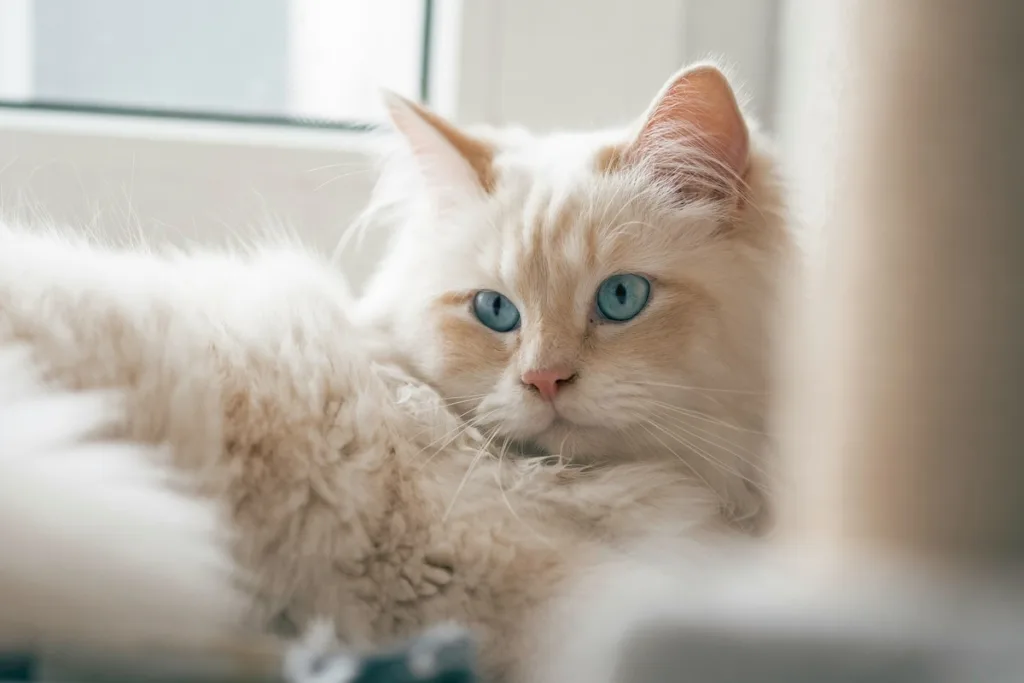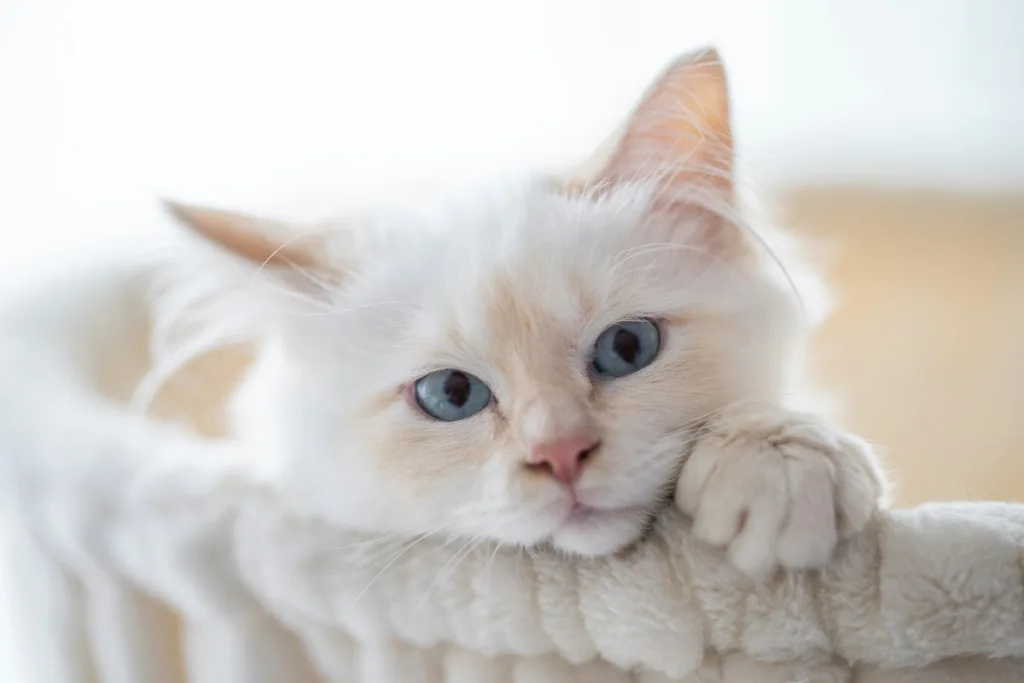
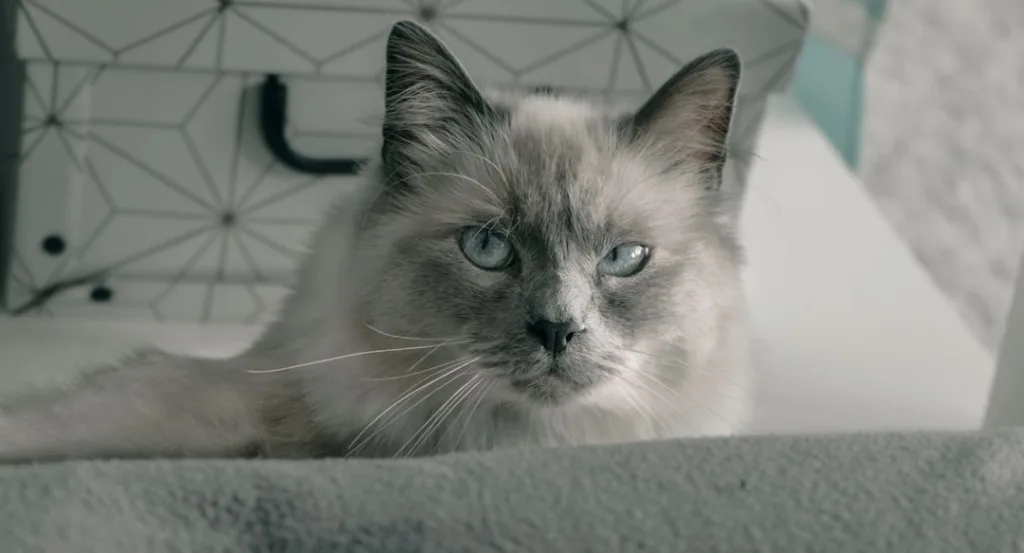
Is the Birman Cat the Right Furry Friend for You? Let’s Find Out.
So, you’ve been charmed by those stunning blue eyes and silky fur, haven’t you? The Birman, often called the “Sacred Cat of Burma,” is a breathtaking breed. But behind that angelic face is a real cat with real needs. As someone who’s shared my home with these gentle souls for years, I’m here to help you move beyond the looks and see if your life and a Birman’s purr are a perfect match. Think of this as your honest, no-nonsense checklist.
Your Birman Compatibility Checklist ✨
Go through these points and see how many you can check off.
- I am looking for a affectionate, people-oriented cat, not an aloof independent.
- I want a cat that is typically gentle and good with respectful children and other pets.
- I am home a fair amount and dislike the idea of a cat that hides all day.
- I am prepared for moderate grooming (brushing 2-3 times a week).
- I understand that purebred cats can have specific health considerations and associated costs.
- I prefer a moderately active cat that isn’t constantly climbing the curtains but enjoys playtime.
- I can provide vertical spaces (cat trees, shelves) for climbing and surveying.
- The idea of a “chatty” but not loud companion appeals to me.
Getting to Know the Birman’s Heart: Temperament & Behavior
Forget the aloof cat stereotype. The Temperament of the Birman is best described as “dog-like” in their devotion. They form incredibly strong bonds with their humans and will often follow you from room to room, not to cause trouble, but just to be near you. Expect a soft paw tap on your leg when they want attention.
They are famously gentle and patient. In my experience, my Birman, Jasper, would calmly tolerate my niece’s gentle petting sessions when she was little, whereas my other cat would have bolted. They tend to get along well with other cats and cat-friendly dogs, especially if introduced properly.
Activity-wise, they strike a lovely balance. They have bursts of playful energy—a feather wand is a must!—but are just as happy to curl up on the couch for a long cuddle session. They are communicative with soft, melodic chirps and meows, more of a conversation than a demand.
Caring for Your Sacred Companion: Needs of the Birman
That beautiful coat is surprisingly low-maintenance. Unlike Persians, their silky fur doesn’t mat easily. A good brush 2-3 times a week is usually enough to remove loose hair and keep it gleaming. It’s also a wonderful bonding ritual they usually enjoy.
Diet, Exercise, and Environment
Feed a high-quality diet appropriate for their age. Birmans are not known as fussy eaters, but they can be prone to weight gain if overfed, so portion control is key. Exercise comes through interactive play. Dedicate 15-20 minutes, twice a day, to play. They also love vertical space. A sturdy cat tree by a window is Birman heaven—it’s their throne to observe their kingdom.
Most importantly, their greatest need is companionship. They are not a breed that thrives on being left alone for 10 hours a day, every day. They can get lonely and depressed.
The Practical Side: Health and Long-Term Costs to Consider
Let’s talk honestly about commitment. A Birman from a reputable breeder is an investment, often ranging from $800 to $2000 or more. This initial cost is just the start.
💡 Ongoing Costs Snapshot
Annual Basics: High-quality food, litter, routine vet check-ups, insurance/preventative care can easily total $500-$1000+.
Potential Health Considerations: Reputable breeders test for known genetic issues like hypertrophic cardiomyopathy (HCM, a heart condition). Always ask for health screening proof. They can also be prone to certain kidney issues. Good pet insurance or a dedicated savings fund is a wise decision for any purebred animal.
The Perfect Match: Who is the Birman Ideal For?
Based on everything we’ve covered, The Birman is ideal for:
- Families with children who understand how to be gentle with pets.
- First-time cat owners who want an affectionate, easy-to-live-with companion.
- Retirees or people who work from home seeking a constant, loving shadow.
- Multi-pet households looking for a peaceful, accepting feline addition.
- Anyone who values companionship and interaction over a purely decorative pet.
A Thoughtful Pause: Who is the Birman Not Recommended For?
It’s just as important to know when it might not be the right fit. The Birman is not recommended for:
- Those who are away from home very frequently or travel often. Their need for companionship is high.
- People seeking a completely independent, “look-but-don’t-touch” type of cat.
- Anyone unprepared for the financial responsibility of a purebred cat’s potential health needs.
- Households that desire absolute quiet (they do like to “talk”).
| The Pros 👍 | The Cons 👎 |
|---|---|
|
Unmatched Companionship: Their loyalty and affection are incredible. Gentle Temperament: Excellent with families, kids, and other pets. Moderate Maintenance: Their gorgeous coat is easier to care for than it looks. Adaptable Energy: Playful but not hyperactive; a great indoor companion. |
Prone to Loneliness: They don’t do well with long, daily solitude. Potential Health Costs: Being a purebred, awareness of genetic conditions is key. Can be Clingy: If you need a lot of personal space, their devotion might feel overwhelming. Initial Cost: Acquiring one from a good breeder is a significant upfront investment. |
Your Final Decision: Before Making Your Decision, Ask Yourself…
Grab a cup of coffee and really ponder these questions:
- Does my daily routine allow for consistent companionship and interactive play?
- Am I financially prepared for both routine care and potential unexpected vet bills?
- What is my true expectation of a cat? A quiet observer or an involved companion?
- Have I spoken to reputable breeders or Birman rescue organizations to meet the breed in person?
Verdict: Is the Birman Right for You?
If you checked most boxes on the checklist and felt a nod of agreement reading about their temperament, then the answer is a promising yes. The Birman isn’t just a pet; they become a heartfelt part of your daily life. They reward a loving, attentive home with a depth of affection that is truly special.
However, if your lifestyle is unpredictable, often away from home, or you prefer a more hands-off pet, there are many other wonderful cats that might suit you better. The key is honest self-reflection.
Choosing a cat is a 15-20 year commitment. It’s not just about whether you like the Birman, but whether the Birman’s specific needs align with the life you can provide.
So, after walking through this checklist together, does the image of a soft, blue-eyed friend greeting you at the door and sharing your quiet evenings feel like a missing piece of your life? 🐾