Your British Shorthair Kitten and the Winter Chill: A Caring Guide
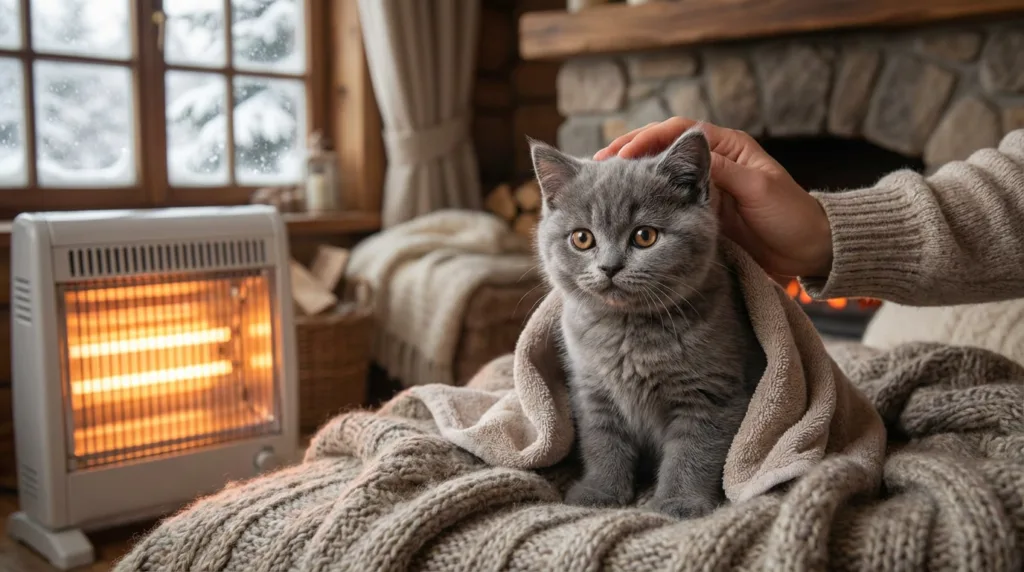
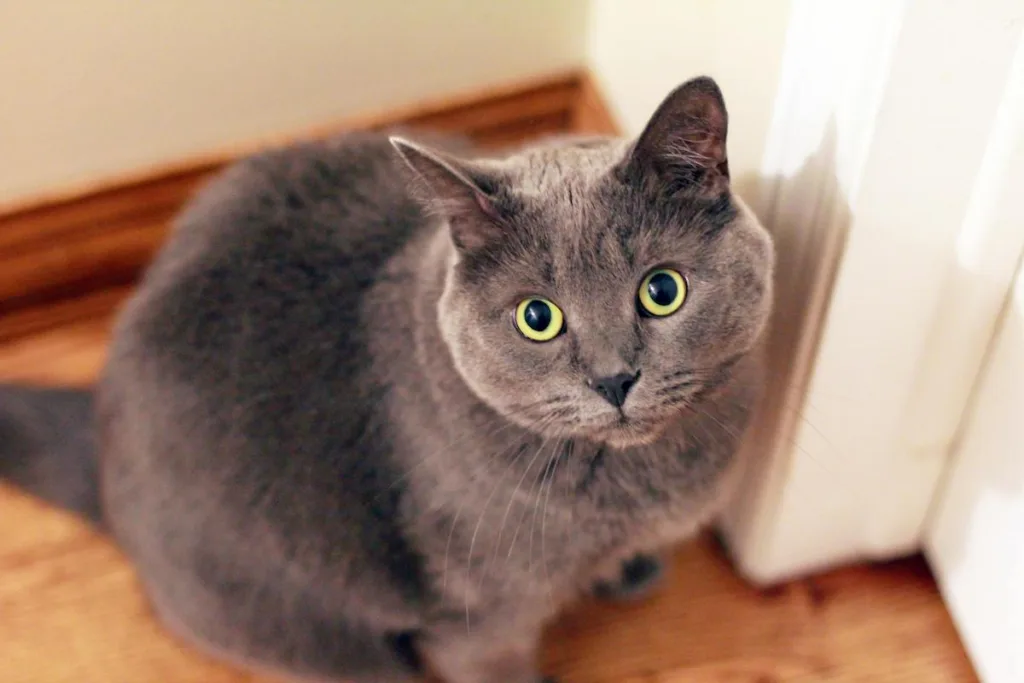
Hey there, fellow cat lover. If you’re reading this, you probably have a gorgeous little British Shorthair kitten bouncing around your home, and with winter setting in, you might be noticing they’re seeking out warm spots a bit more than usual. That dense, plush coat they’re famous for is still developing, and just like a human toddler, a kitten is more vulnerable to temperature changes. I’ve been through a few winters now with my own British Shorthair, Winston, and I remember the worry when he was a tiny ball of fluff. Is he too cold? Is he just sleepy? Let’s talk about how to keep your little one cozy, safe, and thriving when the mercury drops.
🛑 Quick Reality Check:
A cold kitten is not just a sleepy kitten. It’s a serious health risk. Their tiny bodies lose heat fast, and a severe drop in body temperature (hypothermia) can be life-threatening. Your job this winter is to be their warm, safe haven.
Why Your British Shorthair Kitten Feels the Cold More
First off, don’t let that famously thick “teddy bear” coat fool you. On an adult British Shorthair, it’s a fantastic insulator. But on a kitten? It’s still filling out. Think of it like wearing a thin sweater versus a heavy winter parka. Kittens also have a higher surface area relative to their body mass, meaning they lose heat quicker. Combine that with lower body fat reserves and a metabolism that’s still finding its rhythm, and you’ve got a little creature that can get chilled in what feels like a comfortable room to us.
Winter adds specific challenges: dry air from heating systems, drafty windows, and less overall activity (who wants to play when it’s gloomy out?). Your kitten might not have the drive to stay warm through play, so it’s up to us to create the right environment.
Building a Cozy Winter World: Step-by-Step Solutions
Keeping your kitten warm isn’t about cranking the heat to tropical levels. It’s about smart, consistent comfort. Here’s how to build their perfect winter setup.
Step 1: Master the Art of the Cozy Zone
Your kitten needs a dedicated warm base camp. This is non-negotiable.
- Insulated Bed Choice: Skip the flat cushion. Go for a fully enclosed “cat cave” bed, an igloo-style bed, or a simple cardboard box lined with soft blankets. The enclosed space traps their body heat beautifully. Place it in a quiet, draft-free corner, away from busy foot traffic and doors.
- The Magic of Heated Beds: This was a game-changer for Winston. A low-wattage, pressure-activated heated pet bed is safe and provides gentle, consistent warmth. It only heats up when the kitten lies on it. Always follow the instructions and ensure your kitten can move away from it if they get too warm.
- Blanket Forts: Never underestimate a pile of soft fleece blankets on the couch or your bed. They’re perfect for burrowing.
Step 2: Win the Draft and Dry Air Battle
Heaters warm the air but create other problems. Your mission is to counteract them.
- Draft Patrol: Feel around windows and doors. If you feel cold air, use draft excluders. Keep your kitten’s bed and favorite resting spots well away from these areas.
- Humidity is Your Friend: Central heating sucks moisture out of the air, which can dry out your kitten’s skin and nose. A simple cool-mist humidifier in the main living area helps everyone (your plants and your own skin will thank you too!). Aim for a humidity level around 40-50%.
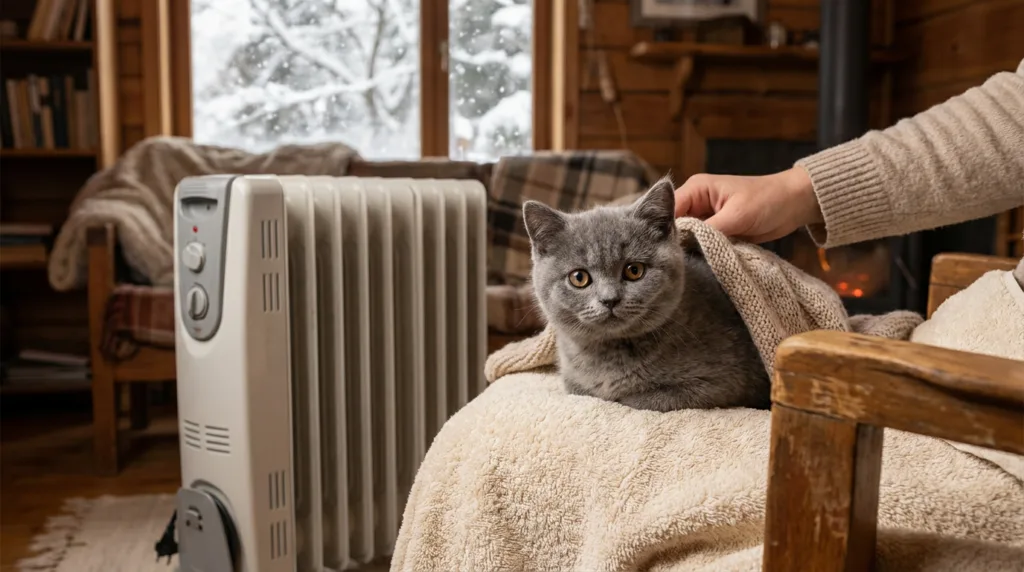
- Radiator Safety: Kittens love to curl up next to or even on radiators. Place a radiator bed (a hammock that attaches safely) to give them a warm perch, or at least put a thick towel on the spot to prevent direct contact with scorching hot metal.
Step 3: Fuel the Furnace with Proper Nutrition
Warmth comes from the inside out! In winter, your growing kitten may need a tiny bit more energy to maintain their body heat.
- Stick to High-Quality Kitten Food: Ensure you’re feeding a premium kitten formula designed for growth. These are calorie-dense and nutrient-rich. Do not simply increase portion size drastically. If you’re concerned, have a quick chat with your vet about caloric needs for the season.
- Wet Food Advantage: Serving slightly warmed wet food (to just room temperature or slightly above, never hot!) is a great way to add hydration and a comforting, warm meal. The extra moisture also helps combat dry winter air.
- Constant Fresh Water: Hydration is crucial. Check water bowls frequently and consider a ceramic or stainless steel bowl, as some cats dislike the static from plastic in dry air.
Step 4: Encourage Gentle, Warming Play
A playful kitten is a warmer kitten! Activity gets the blood flowing and generates body heat.
- Schedule Play Sessions: If your kitten is lethargic, initiate short, engaging play sessions 2-3 times a day. A wand toy or a motorized mouse can get them moving without you having to run around in the cold!
- Sunbeam Chasing: On sunny winter days, clear a space by the window. That patch of sun is nature’s heated bed and a perfect spot for playful pounces.
| What You See | What It Might Mean & What To Do |
|---|---|
| Kitten is hunched, puffed up, and shivering | Sign of being actively cold. Immediately wrap them in a warm (not hot) towel and hold them close to your body. Move them to a warm, draft-free room. Monitor closely. |
| Cold ears and paw pads | A good early indicator. Warm the room, provide a heated bed or warm blanket. |
| Lethargy, weakness, lack of appetite | Potential hypothermia or illness. This is a red flag. Time to call the vet. |
| Hiding and seeking constant warmth (under blankets, behind electronics) | They are trying to self-regulate. Make their approved warm spots more appealing than dangerous ones (like behind the TV). |
Pro Tips from a Seasoned Owner
💡 The Snuggle is Real:
Your lap is the ultimate heated bed. Cuddle time is not just bonding; it’s a direct heat transfer. A kitten sleeping on you is a happy, warm kitten.
Grooming Matters:
That dense British Shorthair coat can mat if not cared for. Regular, gentle brushing (even as a kitten) removes loose hair and ensures the coat insulates properly. A matted coat doesn’t keep heat in effectively.
Nighttime Protocol:
Temperatures drop at night. Make sure their cozy zone is extra inviting. I used to put a warm (not hot) hot water bottle wrapped in two towels in Winston’s bed just before his last play session, removing it before I went to sleep. He’d curl right around it.
Travel & Vet Visits:
Never transport your kitten in a cold car carrier. Pre-warm it with a blanket or a microwavable heat pad (wrapped securely). Cover the carrier with a blanket to block drafts.
🚨 When to Call the Vet Immediately:
If your kitten is listless, refusing to eat or drink, feels cold to the touch even in a warm room, is shivering uncontrollably, or has pale gums, don’t wait. Hypothermia and other winter-related illnesses can escalate quickly in small animals. It’s always better to be safe and get professional advice.
Wrapping Up in Warmth
Seeing your British Shorthair kitten content and cozy through the winter is one of the great joys of pet ownership. It’s about mindful adjustments—creating those snug spots, managing the environment, and keeping a watchful eye. Remember, you’re not just keeping them warm; you’re building their sense of security and well-being. With a little planning, you and your little “teddy bear” can enjoy a winter full of purrs and playful moments, waiting comfortably for the spring to come.
What’s the one cozy spot in your home that your kitten has claimed as their own this winter?