Is the British Shorthair Right for Me? Your Honest Checklist
So, you’ve fallen for those big, round eyes and that plush, teddy-bear coat. The British Shorthair is utterly charming, but is this famously easygoing cat the right fit for your home and life? As someone who’s shared my space with a few of these wonderful “Britishers,” let me walk you through a real-world checklist. Think of it as a heart-to-heart chat over a cuppa, covering everything from personality to the long-term commitment.
Your British Shorthair Compatibility Checklist ✅
Go through each point honestly. A lot of “yes” answers means you might have found your perfect feline match!
1. You Crave a Calm, Undemanding Companion
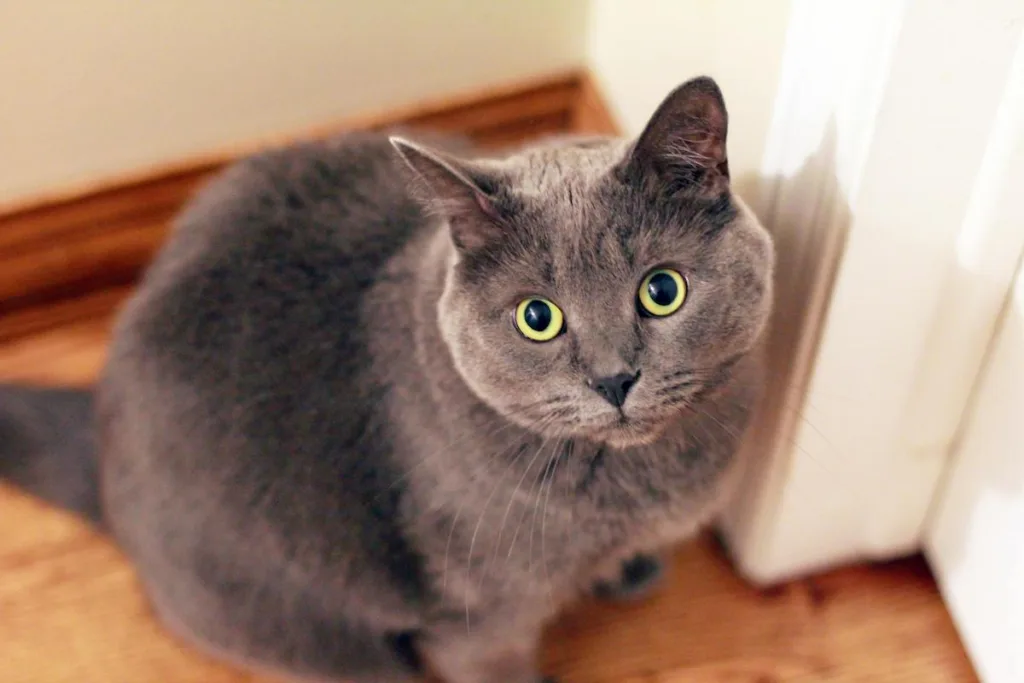
The British Shorthair’s temperament is its crowning glory. They are the epitome of “chill.” Don’t expect a cat that climbs your curtains or demands constant play at 5 AM. My boy, Winston, is happiest perched on a windowsill, observing the world with serene interest, or following me from room to room just to be nearby. They offer quiet, dignified affection.
2. You Want a Pet That’s Good with a Busy or Relaxed Lifestyle
Whether you work from home or have a standard 9-5, a Brit adapts. They are independent enough to be content alone during the day (with toys and a cozy spot, of course) but will be waiting for some quality sofa time when you return. They’re perfect for apartment living or quieter households.
3. You Can Commit to Simple But Consistent Grooming
That gorgeous, dense coat doesn’t magically maintain itself! While not as high-maintenance as a Persian, weekly brushing is non-negotiable. It prevents painful mats, reduces hairballs, and is a lovely bonding ritual. During spring and autumn, you’ll need to brush more frequently to handle the shedding. It’s 10 minutes of care for a gorgeous, healthy coat.
4. You’re Prepared for a “Food-Motivated” Friend
Let’s be real: many British Shorthairs live for their next meal. This love of food, combined with a naturally stocky build, means portion control is crucial. You must resist those pleading eyes! Measure their kibble, offer high-quality wet food, and engage them in play to keep them active. Obesity is a real health risk for this breed.
5. You Understand the “Lap Cat” Label Isn’t Always Literal
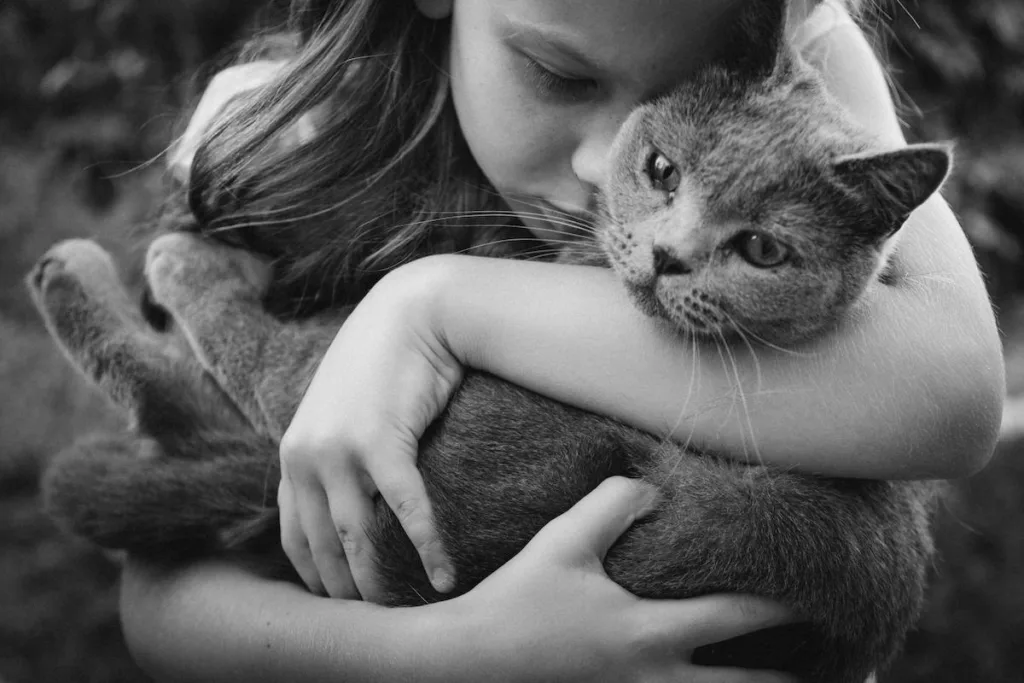
They are profoundly loyal and loving, but often on their own terms. A British Shorthair is more likely to sit beside you than on you. They show affection through quiet companionship—a head bump, a slow blink, or simply choosing to be in the same room. If you need a cat that’s constantly in your face with cuddles, this might not be the breed.
6. You’re Ready for the Long Haul & Associated Costs
These are robust cats often living into their mid-teens. The health and long-term costs to consider include: premium food, annual vet check-ups, vaccinations, and potential breed-specific issues like Hypertrophic Cardiomyopathy (a heart condition) or joint problems. Pet insurance or a dedicated savings fund is a very wise idea from day one.
7. Your Home is Child & Pet-Friendly (With Introductions)
Their patient nature makes them generally excellent with gentle, respectful children and calm dogs. However, they are not fans of chaos or being chased. Proper, slow introductions are key. They usually coexist peacefully with other cats, especially if raised together, but won’t appreciate a hyper, in-your-face feline sibling.
The British Shorthair: Ideal Match vs. Tough Match
Let’s break it down visually. This isn’t about good or bad, but about finding the right fit for both you and the cat.
| 👍 The British Shorthair is Ideal For… | 👎 The British Shorthair is Not Recommended For… |
|---|---|
|
|
Before Making Your Decision, Ask Yourself…
Grab a notebook and jot down your thoughts. This is the most important part of the checklist.
- Lifestyle: Does my daily rhythm (calm vs. hectic) suit a cat that thrives on routine and peace?
- Patience: Am I okay with a cat that may take weeks to fully settle and show its true affectionate self?
- Budget: Can I comfortably afford quality food, routine vet care, insurance, and unexpected health issues for 15+ years?
- Expectations: Am I drawn to the real British Shorthair—calm, dignified, sometimes reserved—or just the cute image?
Verdict: Is the British Shorthair Right for You?
If your checklist is filled with hopeful ticks, then the answer is a resounding quite possibly, yes! The British Shorthair is a magnificent companion for the right person. They offer unwavering, quiet loyalty, a touch of classic elegance, and a wonderfully undemanding presence. They are the steady, loving rock of the cat world.
But they are not a generic “cat.” Their specific needs—diet control, grooming, and a peaceful environment—are essential, not optional. If you can meet those needs with love, you will be rewarded with a deep, gentle bond with one of the most charming feline friends on the planet.