Is the Turkish Angora Right for Me? An Honest Guide from a Long-Time Cat Lover
So, you’ve been enchanted by photos of that elegant, silky-coated feline with mesmerizing eyes—the Turkish Angora. I don’t blame you! They’re stunning. But behind that ballerina-like grace is a cat with a big personality. Having shared my home with these captivating creatures for years, I’m here to give you the real, unfiltered scoop. Let’s figure out if this ancient breed is your perfect match or a beautiful mismatch.
More Than Just a Pretty Face: The Turkish Angora Overview
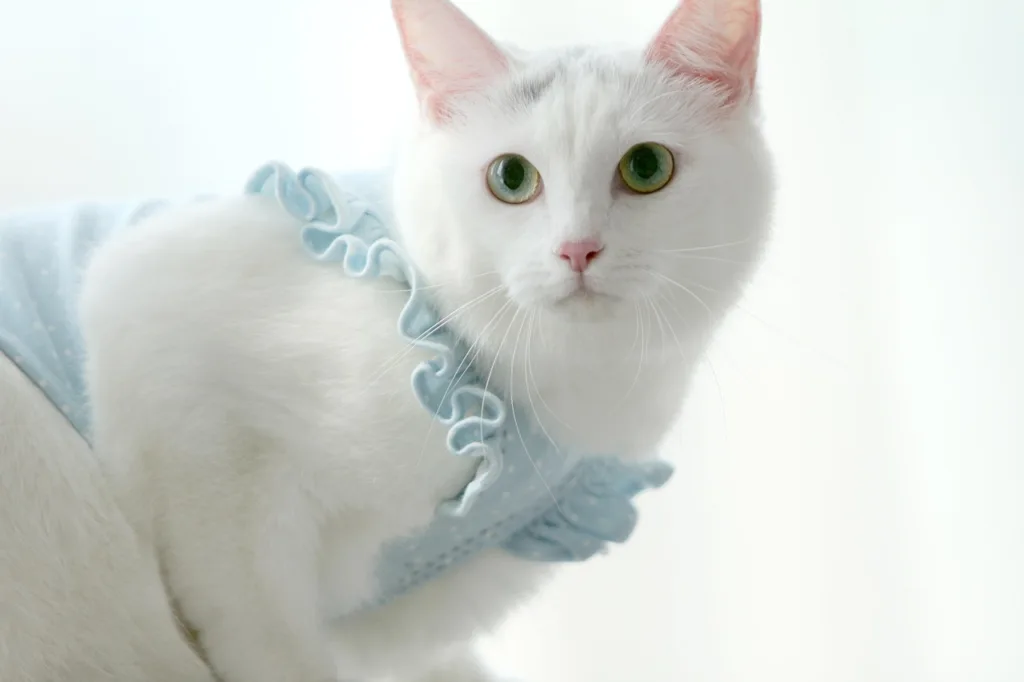
First, let’s clear something up. That long, luxurious coat isn’t just for show. Originating from Turkey (hence the name!), these cats are a natural breed, known for their athleticism and intelligence. They’re not just “white cats”—they come in many colors, though the classic white with odd eyes (one blue, one amber) is the most iconic. They’re medium-sized but feel lighter than air when they leap onto your highest bookshelf. Think of them less as a living ornament and more as an active, curious participant in your household.
💡 Quick Fact: Don’t be fooled by the fluffy coat! It’s single-layered and lacks a dense undercoat, which means it’s less prone to matting than you’d think. But it does shed, especially seasonally, creating impressive “tumble-fluffs” around the house.
The Heart and Mind: Temperament & Behavior
If you want a cat that’s aloof and independent, look elsewhere. The Turkish Angora is a people cat. They form incredibly deep bonds with their humans and often choose one favorite person to shadow. My girl, Luna, follows me from room to room, “helps” me work by sitting on my keyboard, and is always in the middle of whatever I’m doing.
Here’s what to expect:
- Highly Intelligent & Playful: These cats need mental stimulation. Puzzle feeders, fetch games, and clicker training are a must. They get bored easily and a bored Angora might creatively “redecorate” your home.
- Social & Vocal: They have a soft, chirpy voice and aren’t afraid to use it to converse with you. They usually enjoy the company of cat-friendly dogs or other cats, but they love human attention most.
- Confident & Curious: Nothing escapes their notice. A new bag, a visitor, a cabinet left ajar—it all must be investigated. This confidence makes them adapt well to travel or new environments if introduced properly.
- Affectionate on Their Terms: They’ll lavish you with head-butts and purrs, but often on their schedule. They’re more likely to be a lap cat for 15 perfect minutes than a all-day cuddle bug.
The Daily Commitment: Diet, Grooming, Exercise & Care
Owning an Angora isn’t overly burdensome, but it requires a consistent routine. Here’s the breakdown:
🍗 Diet & Nutrition
They are active cats with fine bones, so high-quality protein is key. Look for a diet rich in meat. Many Angoras have sensitive stomachs, so sudden food changes can cause issues. I feed a mix of premium wet and dry food, and I always provide fresh water—some even enjoy drinking from a cat fountain!
✨ Grooming & Shedding
Surprise! Their coat is easier than it looks. A thorough combing 2-3 times a week with a stainless steel comb is usually enough to prevent tangles and reduce hairballs. During spring and fall, daily combing helps manage the “blow-out” of their coat. It’s also a wonderful bonding time.
⚡ Exercise & Enrichment
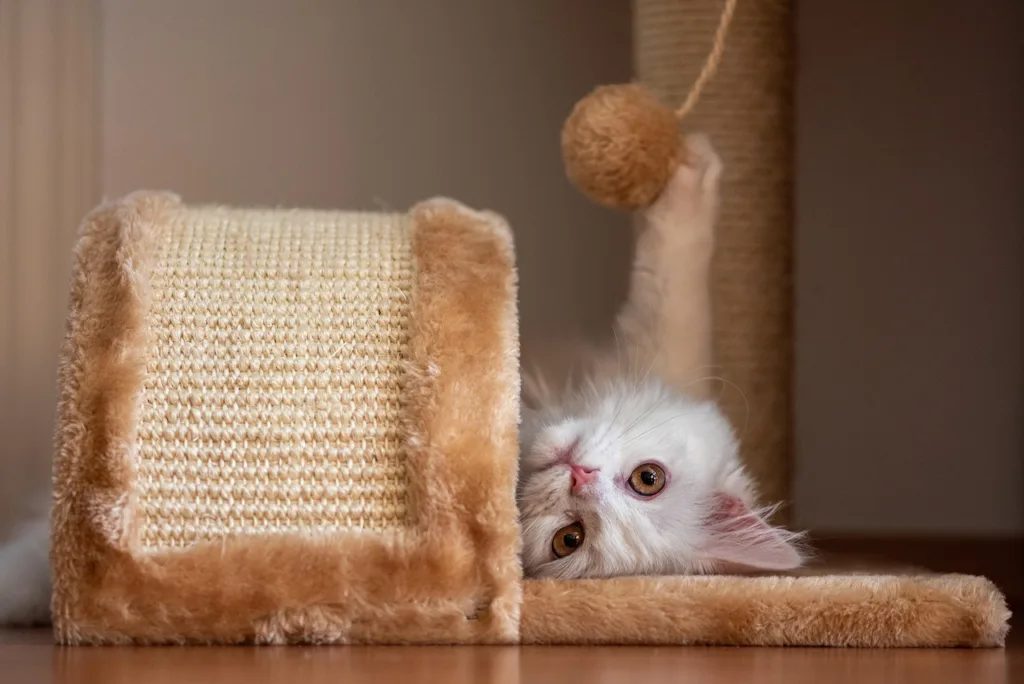
This is non-negotiable. An Angora needs active play sessions at least twice a day. A tall, sturdy cat tree is a must for climbing and perching. They love interactive wand toys that let them leap and pounce. Without this outlet, their energy will turn inward, leading to anxiety or mischief.
🏥 Health & Long-Term Costs to Consider
Generally healthy, but there are breed-specific considerations:
- Deafness: White Angoras with blue eyes have a higher chance of congenital deafness. A deaf cat can live a full, happy life but requires a safe, indoor-only environment and special communication (like stomping on the floor to get their attention).
- Hypertrophic Cardiomyopathy (HCM): A form of heart disease that some lines may be prone to. A responsible breeder will screen their breeding cats for this.
- General Costs: Beyond initial purchase/adoption, budget for premium food, routine vet checks, insurance (highly recommended), and those inevitable “Oh no!” vet visits when your curious acrobat takes a slightly too-ambitious jump.
| Potential Cost Area | What to Expect |
|---|---|
| Initial Cost (Breeder) | $800 – $2,500+ depending on lineage, color, and location. |
| Annual Food & Litter | $500 – $800 for high-quality supplies. |
| Annual Vet Care (Wellness) | $200 – $400 for check-ups, vaccines, preventatives. |
| Pet Insurance | $300 – $600 annually for a good policy. |
| Grooming Supplies & Toys | $100 – $200 initially, then $50-$100 annually. |
Is the Turkish Angora Suitable for Your Lifestyle?
Let’s get personal. Your lifestyle is the biggest factor in this decision.
🎯 The Turkish Angora is Ideal For:
- Experienced Cat Owners: Who understand feline body language and the needs of an intelligent breed.
- Active Households & Families: With older, respectful children who will engage in gentle play.
- People Who Work From Home: Or are home a good portion of the day. They hate being alone for long stretches.
- “One-Pet” Households or Multi-Pet Homes: They do well as an only cat soaking up all your attention, or with a friendly feline or canine sibling.
- Those Willing to “Cat-Proof”: You’ll need to secure breakables and provide vertical space.
🚫 The Turkish Angora is Not Recommended For:
- First-Time Cat Owners Seeking a Low-Key Pet: Their high needs can be overwhelming for a novice.
- Anyone Wanting a Truly “Low-Maintenance” Pet: The grooming and play needs are real.
- People Rarely Home: If you travel constantly or work 12-hour days, an Angora will be deeply unhappy.
- Households with Very Young Children: Or very timid pets. An Angora’s confidence can be overwhelming for a shy animal, and they won’t tolerate rough handling.
- Those Who Dislike Chatter: If you prefer absolute quiet, their conversational nature may grate on you.
Before Making Your Decision, Ask Yourself:
- Do I have at least 60-90 minutes daily for interactive play and companionship?
- Am I prepared for a cat that wants to be involved in everything I do?
- Can I provide a safe, stimulating indoor environment (cat trees, window perches, puzzles)?
- Is my budget ready for potential health screenings and premium care for 15+ years?
- Will I enjoy the personality of a clever, sometimes mischievous “furry toddler”?
Verdict: Is the Turkish Angora Right for You?
If you’re looking for a beautiful, interactive, and deeply engaging companion—a cat who is more like a best friend and less like a piece of furniture—then the Turkish Angora could be your soulmate. They give back tenfold the love and energy you invest in them.
But if your life is chaotic, you’re rarely home, or you simply want a quiet, undemanding presence, this breed will likely frustrate both of you. Their beauty is a bonus, but it’s their vibrant, demanding, and utterly loving personality that defines them.
My final advice? If your heart and lifestyle say “yes,” be prepared for one of the most rewarding relationships of your life. You won’t just own a cat; you’ll gain a devoted, chatty, and endlessly entertaining family member.
So, are you ready to have your heart stolen by a fluffy, four-legged whirlwind of intelligence and affection?