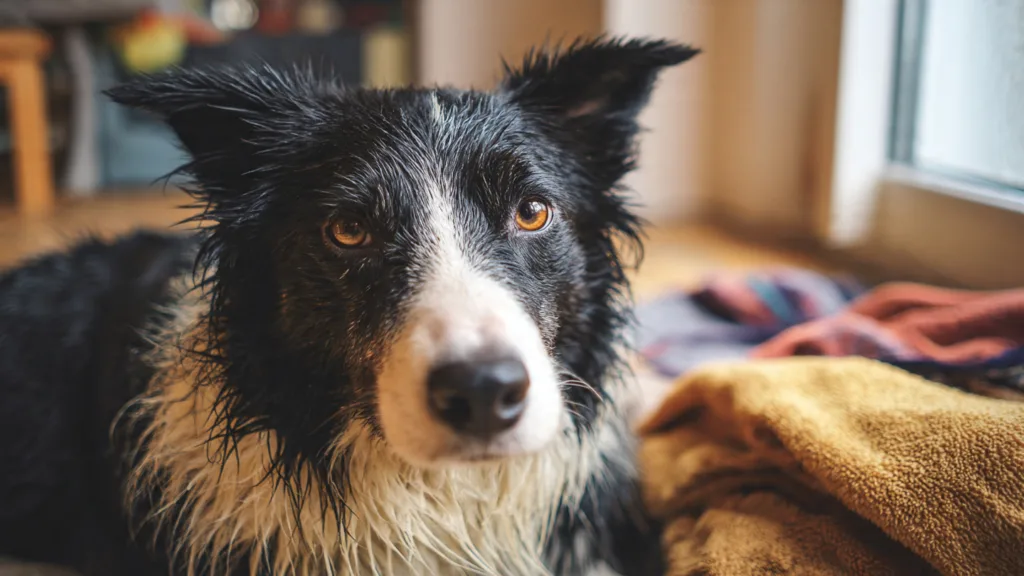

Winter is Coming: Is Your Border Collie Ready for the Cold?
Hey there, fellow Border Collie lover! 👋 Having shared my life with these brilliant, energetic dogs for years, I’ve learned a thing or two about navigating the winter months. While that beautiful double coat looks like it could handle anything, the relationship between a Border Collie and the cold is a bit more nuanced. An adult Border Collie is a tough dog, but winter brings a unique set of challenges with the cold, dry air from indoor heating, and that inevitable drop in activity. It’s not just about them being “cold”—it’s about their overall well-being. So, let’s huddle up and go through the top 5 cold-weather concerns you need to know to keep your furry genius happy and healthy all season long.
Top 5 Cold Weather Concerns for Your Border Collie
Think of this as your winter preparedness checklist. We’ll dive into each of these points to give you the full picture.
- Hypothermia: The Real Chill
- Dry, Itchy Skin & A Dull Coat
- Cracked and Sore Paw Pads
- Arthritis and Joint Stiffness
- Weight Gain and “Cabin Fever”
1. Hypothermia: The Real Chill
We often picture Border Collies as indefatigable herders, running through fields regardless of the weather. But hypothermia can set in when they’re wet, in freezing temperatures for too long, or if there’s a sharp wind chill. It’s not just about air temperature.
What to look for:
- 🚨 Violent shivering that may stop as hypothermia worsens (a bad sign)
- 🚨 Lethargy, weakness, and seeming confused
- 🚨 Pale or blue-ish gums
- 🚨 Muscle stiffness
What to do: If you suspect hypothermia, get your dog inside immediately. Dry them off thoroughly with warm towels and wrap them in a blanket. You can use a warm (not hot) water bottle wrapped in a towel against their belly. Offer warm fluids and contact your veterinarian immediately. This is a medical emergency.
Pro Tip: A simple rule of thumb I use: if it’s too cold for me to stand outside comfortably without a coat, it’s probably too cold for my Collie to be out for an extended period. Short, frequent potty breaks are better than one long, chilly walk.
2. Dry, Itchy Skin & A Dull Coat
This one is a double whammy. The cold, dry air outside sucks moisture from their skin and coat, and then we bring them inside where the heating system does the exact same thing! That lush double coat can become dry, brittle, and lose its luster, leading to constant itching and discomfort.
Concrete Example: My girl, Luna, starts to get what I call “winter dandruff” – tiny white flakes appearing on her black fur, especially near her lower back. It’s a sure sign the air is too dry.
Solutions:
- Consider a humidifier in the main room where your dog spends most of its time. It helps both you and your pet!
- Add a spoonful of coconut oil or a fish oil supplement to their food. It works wonders for skin health from the inside out.
- Don’t over-bathe them! Bathing strips natural oils. In winter, bathe only when absolutely necessary and use a moisturizing, oatmeal-based dog shampoo.
3. Cracked and Sore Paw Pads
Your Border Collie’s paws are in direct contact with the frozen ground, ice, and worst of all, de-icing chemicals and salt. These can cause painful cracks, burns, and dryness.
Prevention is Key:
| Problem | Solution |
|---|---|
| Ice Balls between Toes | Keep the hair between their paw pads trimmed short. |
| Salt & Chemical Burns | Use pet-safe ice melts on your own property. |
| Cracked Paw Pads | Apply a pet-approved paw balm or wax before going outside. It acts like a protective barrier. |
| Post-Walk Irritation | WIPE THEIR PAWS every single time they come inside! Use a damp cloth to remove salt and chemicals. This is non-negotiable. |
Vet Visit Needed When: You notice deep cracks, bleeding, limping, or your dog is constantly licking their paws. This could indicate a chemical burn or an infection that needs professional care.
4. Arthritis and Joint Stiffness
If you have an adult or senior Border Collie, you’ve probably noticed they’re a little stiffer on cold mornings. Cold weather can exacerbate arthritis and joint inflammation, making movements painful. That famous “Collie crouch” might look a bit more hesitant.
How to Help:
- Provide a warm, orthopedic bed away from drafts. A heated dog bed can be a game-changer for achy joints.
- Keep up with low-impact exercise. It’s crucial for joint health. Think of indoor games, short walks, or even swimming in an indoor pool if available.
- Talk to your vet about joint supplements like glucosamine and chondroitin, or other pain management options if the stiffness seems severe.
5. Weight Gain and “Cabin Fever”
This might be the biggest challenge for a high-energy breed like the Border Collie. Less outdoor activity often leads to two things: weight gain and pent-up mental energy, which I call the “Winter Zombies.” A bored, under-exercised Collie is a destructive Collie.
Combat Strategies:
- 🧠 Mental Exercise is Your Best Friend: A 15-minute training session or a puzzle toy can tire them out as much as a long run.
- 🏠 Indoor Agility: Create a mini-obstacle course in your living room using cushions, broomsticks, and chairs.
- 🥎 Hide and Seek: Hide their favorite toy or treats around the house and let them use their nose to find them.
- 📊 Monitor Food Intake: If their activity level has significantly dropped, talk to your vet about slightly reducing their food portion to prevent weight gain.
Bonus Tip: The Winter Gear Lowdown
You might wonder, “Does my Border Collie need a sweater?” For most healthy adult Borders, their coat is sufficient. However, there are exceptions! A sweater or coat is a great idea for:
- Senior dogs or those with health issues.
- Dogs with particularly thin coats.
- During very wet, windy, or brutally cold conditions.
The most important piece of gear, in my opinion, is visibility. With shorter days, walks often happen in the dark. A reflective collar, leash, or a blinking LED light is essential for safety.
Winter with a Border Collie doesn’t have to be a struggle. It’s about being proactive, watching for the signs, and getting a little creative with exercise and enrichment. By understanding these five key areas, you’re not just keeping your dog safe from the cold—you’re ensuring they thrive all winter long.
What’s your go-to indoor game to burn your Border Collie’s energy on a freezing day? Share your best ideas! 🐾