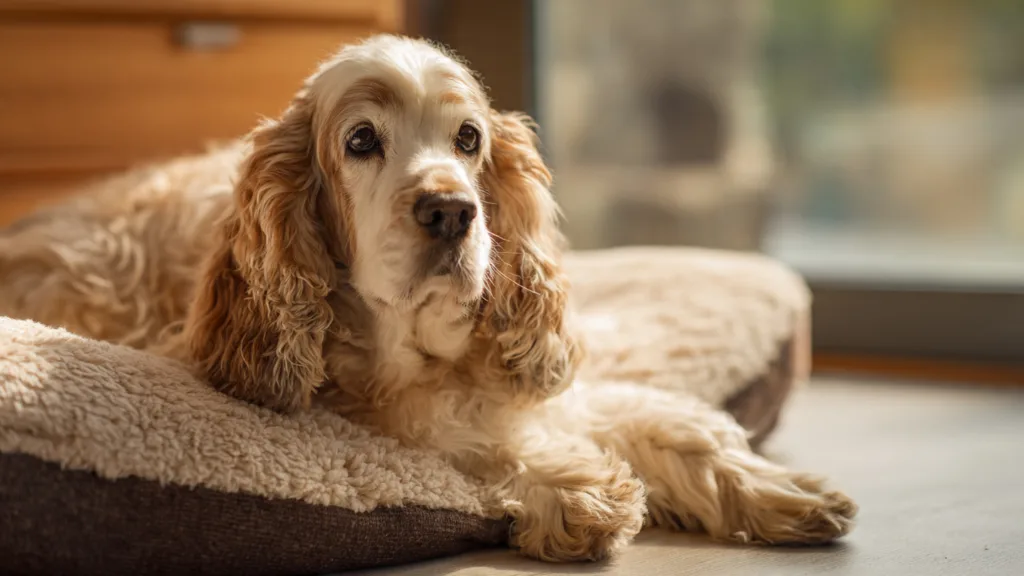

Keeping Your Cocker Spaniel Cozy: A Winter Care Guide
Hey there, fellow Cocker parent! If you’re like me, you’ve spent years enjoying the boundless energy and soulful eyes of this wonderful breed. As winter settles in, I’ve learned that our floppy-eared friends need a little extra TLC. Cockers, with their single-layer coat and those adorable low-hanging ears, feel the cold more than some other dogs. It’s not just about being uncomfortable; for seniors or dogs with health issues, the cold can be a real problem. Let’s walk through how to spot the signs and, more importantly, keep your best friend warm, safe, and happy all season long.
🧐 Why Is My Cocker Spaniel So Sensitive to the Cold?
First, it helps to understand why your Cocker might be shivering on a brisk day. It’s in their design!
Built for Companionship, Not the Arctic
Unlike double-coated breeds like Huskies, Cockers have a single, silky coat. It’s beautiful, but it’s not a super-insulating barrier against winter winds and dampness. Their body sits closer to the ground, and those famous ears and feathery feet can get wet and cold quickly. For our senior Cockers, arthritis can flare up in the cold, making joints stiff and painful. A decrease in overall activity during winter can also mean they generate less body heat.
Signs Your Cocker is Too Cold
Dogs won’t always bark to tell you they’re freezing. Watch for these signals:
- Shivering or Trembling: The most obvious sign.
- Whining or Anxiety: Pacing or seeming restless.
- Seeking Heat: Burrowing under blankets or plastering themselves against heaters.
- Cold Ears, Chest, or Paws: Feel these areas. If they’re icy, it’s time to warm up.
- Lifting Paws: Reluctance to walk or holding paws up off the cold ground.
- Slowed Movement or Stiffness: Especially critical in older dogs.
Your Step-by-Step Winter Warmth Plan
Don’t worry, a few simple adjustments make all the difference. Here’s my tried-and-true routine.
Step 1: Gear Up for the Great (Chilly) Outdoors
Think of it as getting them dressed for the weather. A good-fitting sweater or coat is a must for walks. I look for one that covers from neck to tail base. For really wet or snowy days, a waterproof option is brilliant. And don’t forget the paws! Booties protect from salt, ice melt chemicals (which can be toxic), and cold surfaces. If your Cocker hates boots, a protective paw wax works as a barrier, and a thorough wipe-down after walks is non-negotiable.
Step 2: Transform the Indoors into a Cozy Den
Your home is their sanctuary. Avoid placing their bed in drafty areas (near doors, windows). Elevate the bed off cold floors. I use orthopedic memory foam beds for my senior guy—they’re warmer and easier on his joints. Provide plenty of soft blankets; Cockers love to nest. Be mindful of indoor heating: it dries the air. Ensure they have fresh water and consider a humidifier. Also, keep them away from direct heat sources like space heaters or fireplaces to prevent burns or overheating.
Step 3: Adjust Food, Water, and Activity
This one is nuanced. While outdoor activity may drop, indoor play should ramp up to keep them moving and warm. Short, frequent walks are better than one long, cold one. For most indoor dogs, stick to their regular diet—they’re not burning extra calories. Overfeeding can lead to winter weight gain. For water, check the bowl often. Metal bowls left in cold rooms can make water nearly freezing. Use ceramic or plastic, and refresh with lukewarm water.
🐾 Quick Tip: Senior Dog Special Care
For my old boy, I add a warm-up ritual. Before walks, I gently massage his legs and back to get blood flowing. After, I wipe him down with a warm towel, paying special attention to his paws and underside. A heated pet bed (with a safe, low-voltage design) has been a game-changer for his stiff hips on cold nights.
Step 4: Don’t Skip Grooming
It’s tempting to let their coat grow long for winter, but matted fur actually loses its insulating properties. Regular brushing is key to maintaining a healthy, air-trapping coat. Keep the hair between their paw pads trimmed to prevent ice ball buildup. And keep those ears clean and dry—their floppy design is a magnet for moisture and cold, which can lead to infections.
Pro Tips & When to Call the Vet
Here’s a quick-reference table I wish I had years ago:
| Do This | Avoid This |
|---|---|
| Use a coat for walks below 45°F (7°C). | Long walks in freezing temps or bad weather. |
| Wipe paws & belly after every walk. | Letting them lick salt or antifreeze off paws. |
| Provide warm, draft-free sleeping spots. | Letting them sleep in a cold, damp garage. |
| Engage in indoor brain games & play. | Assuming less walking means less food. |
Time to Ring the Vet
You know your dog best. If you notice any of these, pick up the phone:
- Persistent shivering even in a warm environment.
- Signs of pain, limping, or severe stiffness (especially in seniors).
- Lethargy, weakness, or disorientation.
- Pale or discolored skin, particularly on ears, tail, or paws (signs of frostbite).
- Any suspicion they have ingested ice melt chemicals (vomiting, drooling, lethargy).
A check-up before deep winter is perfect for senior dogs to manage arthritis or other conditions.
Wrapping Up (Pun Intended!)
Winter with a Cocker Spaniel can be just as joyful as any other season—with a little extra preparation. It’s about mindful observation, smart adaptations, and doubling down on the coziness. Seeing your dog comfortable and content by your side on a cold day is one of the simple pleasures of pet ownership. By understanding their needs and taking these steps, you’re ensuring the bond you share stays warm and strong, no matter what the thermometer says.
What’s your Cocker Spaniel’s favorite way to stay warm during the winter? Does he have a go-to sweater or a special snuggle spot? I’d love to hear your stories and tips!