
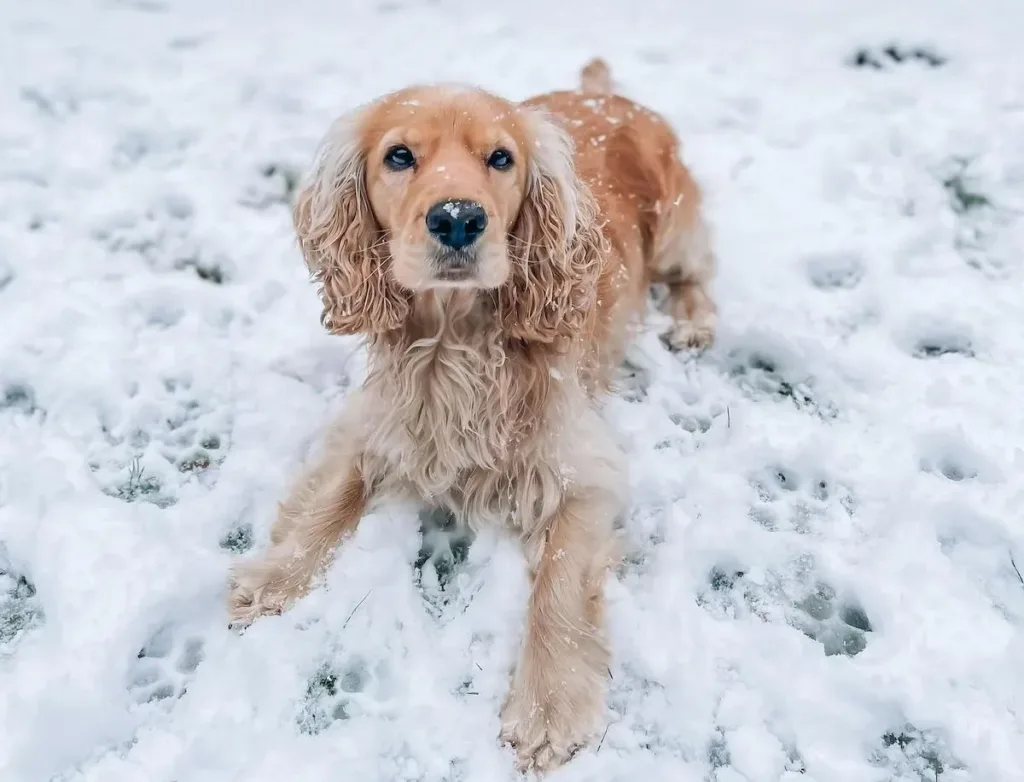
Winter’s Chill: Your Cocker Spaniel’s Quick Survival Guide
Hey there, fellow Cocker parent! If you’re like me, you’ve spent years enjoying those soulful eyes and joyful wiggles. Winter, though, brings a unique set of challenges for our floppy-eared friends. That luxurious coat is beautiful, but it’s not always enough against biting winds and damp cold, especially for our senior Cockers. Their joints get stiffer, and their internal thermostat isn’t what it used to be. This guide is straight from my own experience—a quick reference to help your buddy stay cozy, safe, and happy through the cold months. Let’s dive in.
Your 6-Point Winter Action Plan for a Happy Cocker Spaniel
Think of this as your winter checklist. Tackle these key areas, and you’ll be giving your Cocker the best shot at a comfortable hiver.
1. Coat Care is Everything: More Than Just Fluff
That gorgeous Cocker coat is a double-edged sword in winter. It can provide insulation, but if it’s matted or wet, it actually holds the cold against their skin. For my senior guy, I’m extra vigilant.
Example: After a short walk in damp snow, feel the fur all the way down to the skin on their belly and legs. If it’s chilly or damp, that’s your cue for a thorough towel-dry. Pay special attention to the feathering on their legs and belly.
A regular grooming schedule is non-negotiable. Mats block air pockets that keep warmth in. Consider a “sanitary trim” around the paws and rear to prevent ice balls and messy buildup. For very thin-coated or elderly Cockers, a quality sweater or vest for outdoor trips is a game-changer for retaining body heat.
2. Paw Patrol: Protecting Those Precious Pads
Cocker paws are sensitive. Road salt, chemical de-icers, and ice can cause cracking, burns, or painful ice accumulation between the pads.
My Routine: I keep a towel right by the door. After every walk, it’s “Paws up!” for a wipe-down. I check between every toe for salt crystals or tiny ice balls. Before walks, I use a pet-safe paw wax—it creates a protective barrier. For dogs who tolerate them, booties are the ultimate protection.
3. Indoor Climate Control: Avoiding the “Dry Heat & Drafts” Trap
Our heating systems create a tricky indoor environment. Dry air can irritate their skin and nose, while drafts on the floor can chill an older dog’s joints.
- Comfy Bedding: Elevate their bed off cold tile or hardwood floors. Use orthopedic beds for senior Cockers with arthritis—the extra support is a blessing.
- Humidity: A simple humidifier near their favorite snoozing spot helps combat dry air from the furnace.
- Draft Watch: Feel for drafts near doors or windows where they sleep. A cozy blanket in a draft-free corner is perfect.
4. Fueling the Furnace: Diet & Hydration
Your Cocker might burn slightly more calories to stay warm, but with decreased activity, overfeeding is a real risk. It’s a delicate balance.
| Scenario | Dietary Consideration |
|---|---|
| Active, younger Cocker on long winter hikes | May need a slight food increase. Consult your vet. |
| Senior Cocker with lower activity | Stick to regular portions. Monitor weight closely. |
| All Cockers in winter | Ensure fresh, unfrozen water is always available. Indoor air is dry! |
5. Keeping the Spark Alive: Mental & Physical Activity
A bored Cocker is a mischievous Cocker! When it’s too nasty outside, get creative indoors.
- Snuffle Mats: Toss their kibble into a snuffle mat for a 20-minute foraging adventure.
- Short Training Sessions: Practice “spin,” “shake,” or new tricks. It tires their brain.
- Indoor Fetch/Hide & Seek: Use a soft toy in a long hallway. Hide treats or yourself for them to find.
- Puzzle Toys: A fantastic way to slow down eating and provide mental stimulation.
6. Senior-Specific Vigilance: Listening to the Old Soul
Our aging companions feel the froid more deeply. Arthritis flares up, and they may be stiffer and more reluctant to move.
Watch For: Increased difficulty standing up, trembling more than usual (not just from excitement), seeking out heat sources obsessively, or seeming disoriented in the cold. Provide extra-warm, supportive bedding and consider ramps for furniture they’re allowed on. Shorter, more frequent potty breaks are better than one long, chilly outing.
Bonus Pro Tip: The “Before-Bed” Ritual
Here’s a little secret from my routine that made a huge difference for my old boy. Ten minutes before the last potty break of the night, I’d gently massage his legs and back (if he enjoyed it). This got the blood flowing before he headed into the cold. Then, after he came back in and I did the paw wipe-down, I’d give him a warm (not hot) blanket straight from the dryer. The look of pure bliss was all the thanks I needed. It helped his stiff joints and ensured he settled into a deep, warm sleep.
Let’s Keep the Conversation Going!
Every Cocker is unique, and we all learn from each other’s experiences. What’s your #1 winter hack that keeps your Cocker Spaniel smiling through the season? Share your story in the comments below!