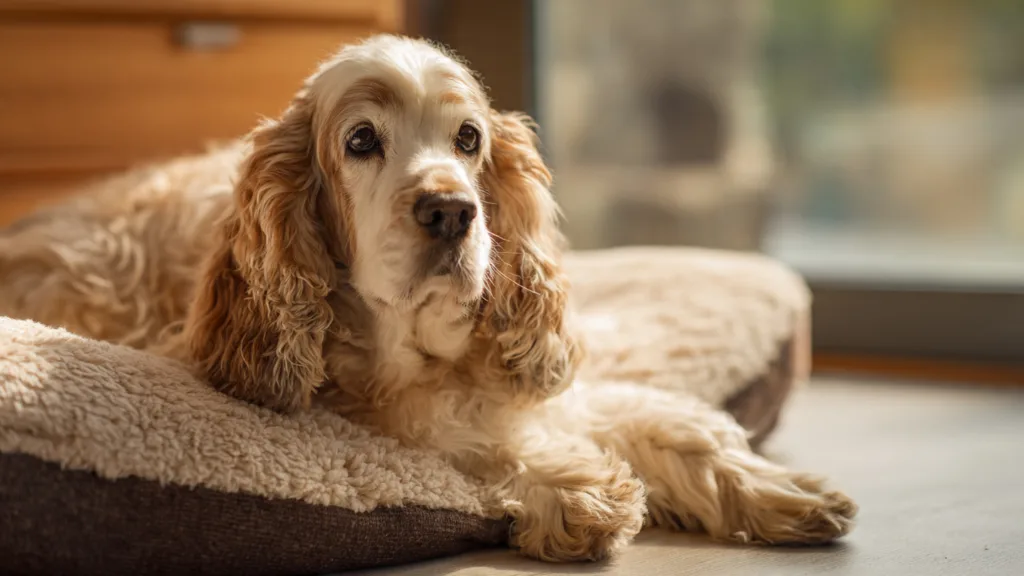

My Cocker Spaniel is Shivering in Winter – Is This Normal?
Hey there, fellow Cocker parent! 👋 First off, take a deep breath. Seeing your furry friend tremble or seem uncomfortable in the cold can be worrying, but you’re not alone in this. Many of us with these beautiful, silky-coated companions notice they feel the chill more than some other breeds. Your vigilance shows what a caring owner you are. The good news? With a few simple adjustments, you can turn your shivering spaniel into a cozy, content couch potato in no time.
Quick Reassurance: Cockers have a single coat of hair (not a double, dense fur like a Husky). While it’s gorgeous, it’s not always the best insulator against damp, biting cold. A little shivering here and there is their body’s way of generating heat. But our job is to make sure that shivering doesn’t turn into a real problem.
Immediate Actions to Warm Up Your Chilly Cocker
When you notice the cold signs-shivering, reluctance to go outside, curling up tightly, or seeking heat vents-it’s time for some quick, loving intervention. Here’s what you can do right now:
Dry Them Off Thoroughly:
If they’ve come in from a damp walk, this is step one. Their feathering on legs and belly holds moisture like a sponge. Use a super-absorbent towel and pay special attention to those fluffy areas. A quick pass with a blow dryer on the lowest, coolest setting (held at a safe distance) can make a world of difference.
Create a Cozy Den:
Elevate their bed off cold floors (drafty hardwood or tile sucks heat). Use a padded, orthopedic bed with sides or pile up some soft blankets in a quiet corner. The goal is a snug, draft-free nest.
Warmth from the Inside Out:
Offer a small portion of warm (not hot) water or low-sodium chicken broth. You can also slightly warm their regular food. This helps raise their core temperature gently.
Snuggle Time:
Sometimes, the best heater is you! Cuddling under a blanket together provides direct warmth and comfort. It’s a win-win.
The Winter Wardrobe: More Than Just Fashion
I used to think dog sweaters were just for cute photos. Then I got my first Cocker. A good-quality sweater or coat isn’t an accessory; it’s a necessity for winter walks. Look for one that covers from the neck to the base of the tail and has a water-resistant layer if it’s wet out. For truly frigid or snowy days, consider waterproof booties to protect those sensitive paws from ice, salt, and chemical melts.
| Sign It’s Just a Chill | Sign It Could Be More Serious |
|---|---|
| Mild shivering that stops when warm. | Violent, continuous shivering that won’t stop. |
| Briefly curling up to conserve heat. | Lethargy, weakness, or difficulty standing. |
| Seeking out warmer spots in the house. | Whining, anxiety, or seeming disoriented. |
| Normal energy levels once warmed up. | Pale gums, slow breathing, or a body that feels cold to the touch. |
When to Stop Googling and Call the Vet
Trust your gut. You know your dog best. While mild cold is manageable at home, hypothermia is a real danger. If your Cocker has been in a very cold situation (like an accidental long time outside) and shows any signs from the “serious” column above, it’s an immediate vet visit. Similarly, if they seem stiff, in pain, or are licking at their paws excessively after a walk (potential frostbite or salt irritation), get professional advice. It’s always better to be safe and get that peace of mind.
Pro Tip: Older Cockers and those with health issues like arthritis feel the cold more intensely. The cold can make their joints stiffer and more painful. For them, winter prep is even more crucial.
Building Winter-Ready Habits: Prevention is Key
A little planning makes the whole season smoother. Here’s how to prevent the shivers before they start:
Walk Smart:
Shift walks to the warmest parts of the day-late morning or early afternoon. Shorten the walks if it’s brutally cold; several quick potty breaks are better than one long, chilly stroll.
Home Heating Harmony:
Our heating systems can dry out the air. Make sure your Cocker has a cozy spot away from direct blasts of hot, dry air from vents, which can irritate their skin and coat. A humidifier can help both of you!
Indoor Engagement:
With shorter walks, mental stimulation is key to prevent cabin fever. 10 minutes of trick training, a food puzzle toy, or a fun game of hide-and-seek with treats can tire them out just as well as a walk.
Paw & Coat Care:
Regularly trim the hair between their paw pads to prevent ice ball buildup. After walks, wipe their paws and belly to remove salt and chemicals. Keep their coat well-brushed; matted fur insulates much less effectively.
Winter with a Cocker Spaniel is all about cozy compromises. It might mean shorter adventures now for more happy, healthy years together later. By tuning into their needs and making these small changes, you’re ensuring your best friend stays safe, warm, and loved through every snowflake and cold snap.
What’s your Cocker’s favorite way to stay warm on a cold day? Do they have a special sweater or a favorite blanket fort? Share your cozy tips below! 🐾