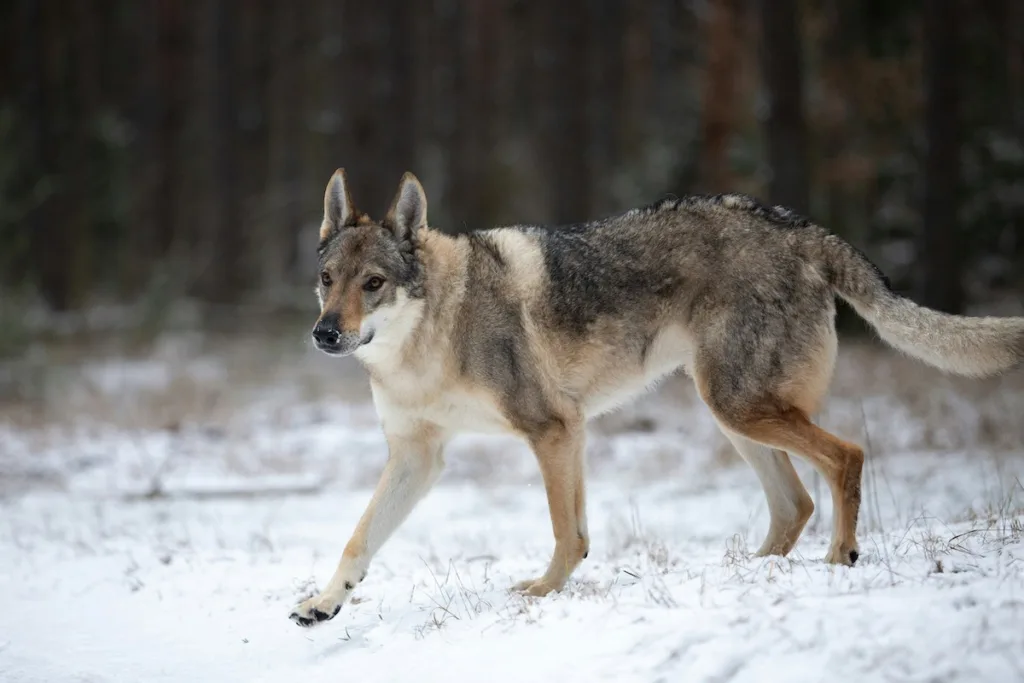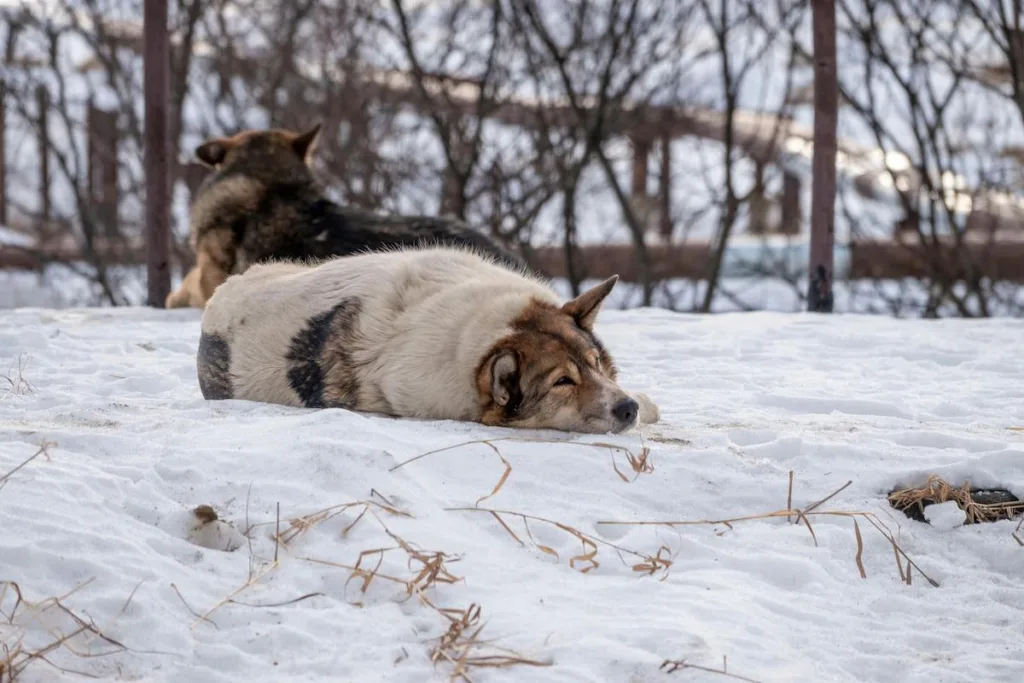
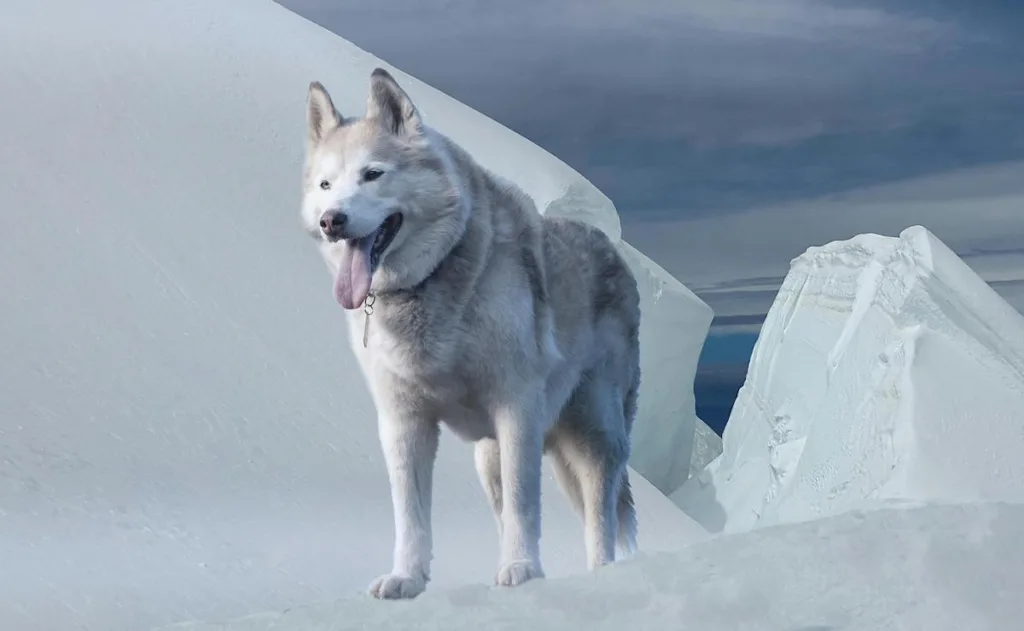
Winter’s Chill: Understanding and Caring for Your Czechoslovakian Wolfdog
If you share your life with a Czechoslovakian Wolfdog, you know they’re not your average dog. That breathtaking, wild beauty comes with a spirit and a physiology forged by the Carpathian Mountains. As winter sets in and the temperature drops, many of us owners start to wonder: Is my wolfdog really as cold-proof as they look? Having raised a few of these incredible animals through snowy winters, I can tell you it’s not always a simple yes or no. While their thick double coat is a marvel of natural engineering, winter brings unique challenges, especially for puppies and seniors. Let’s walk through what cold really means for this breed and how you can ensure your companion stays safe, healthy, and happy all season long.
🐺 Quick Insight: Your Czechoslovakian Wolfdog is built for cold, but “built for” doesn’t mean “immune to.” Their tolerance is high, but factors like age, health, and acclimation play a huge role. Winter care is about proactive support, not just assuming they’re fine.
Beyond the Coat: Why Your Wolfdog Might Feel the Cold
It’s easy to see that lush coat and think they’re invincible. But here’s the thing—several factors can chip away at that natural cold resistance.
- The Puppy Factor: A chiot (puppy) doesn’t have its full, insulating adult coat yet. Their puppy fur is softer and less dense, making them far more vulnerable to hypothermia during those crucial first winters. Their smaller body mass also loses heat faster.
- Health & Age: An older wolfdog with arthritis will feel the cold more deeply, as the chill can stiffen their joints. Any underlying health issue, from hormonal problems like hypothyroidism to heart conditions, can impair their ability to regulate body temperature.
- Acclimation is Key: A wolfdog who lives primarily indoors in a cozy 70°F (21°C) home will have a very different tolerance than one who spends more time in a temperate outdoor environment. Their winter coat growth is triggered by daylight and temperature; a constantly warm house can actually limit its full development.
- Wetness is the Enemy: That double coat is an amazing insulator… when dry. A soaking wet coat from rain, sleet, or melted snow loses almost all its insulating properties. A damp wolfdog in windy conditions is at real risk.
- Reduced Activity: In deep winter, even these energetic dogs might move less, especially on short, dark days. Less movement means less internal heat generation.
A Step-by-Step Winter Wellness Plan
Think of winter care as a layered approach, much like putting on your own winter gear. It’s about creating a supportive environment and routine.
Step 1: The Home Base – Creating a Warm Sanctuary
Your home is their primary refuge. Heating systems can create very dry air, which might irritate their nose and skin.
- Provide Choice: Always have multiple, high-quality beds in different locations. Place one in a social area (like the living room) and one in a quieter, draft-free corner. Some wolfdogs prefer cooler tile floors even in winter, but they should have a plush option.
- Beware of Direct Heat: Avoid placing beds right next to radiators, fireplaces, or heating vents. This can cause them to overheat locally and then get chilled when they move, and it’s a fire hazard with bedding.
- Consider a “Cave” Bed: Many wolfdogs love the security and warmth of an enclosed, donut-style or igloo bed. It mimics a den and helps them retain body heat.
Step 2: Outdoor Protocol – Smart Adventures in the Cold
They still need exercise! The goal is safe, enjoyable outings.
- Paw Care is Non-Negotiable: Ice, snow, and road salt are brutal on paw pads. Musher’s Secret or a similar paw wax is a lifesaver. Apply before every walk. It creates a protective barrier. Always wipe their paws (and belly!) with a warm, damp cloth when they come inside to remove salt and chemical de-icers.
- Visibility & Safety: With fewer daylight hours, reflective gear (a harness or collar) and a bright LED collar light are essential for evening walks.
- Know the Limits: In extreme cold (below 15°F / -9°C) or during winter storms, shorten walks. Replace one long walk with two or three shorter potty breaks and supplement with indoor mental games. Watch for signs they want to go in: lifting paws, whining, or turning back toward the house.
Step 3: Nutrition & Hydration – Fueling the Furnace
Burning calories generates body heat.
- Calorie Check: A very active wolfdog spending significant time outdoors in winter may need a 10-15% increase in their high-quality food. Conversely, a less active indoor dog might need the same or even slightly less to avoid weight gain. Monitor their body condition closely.
- Water, Water, Water: Dehydration happens in winter too! Ensure fresh water is always available. Check outdoor water bowls frequently to break ice. Using a heated water bowl outdoors is a fantastic investment.
| Signs Your Wolfdog is Too Cold | What to Do Immediately |
|---|---|
| Violent shivering that doesn’t stop | Bring them indoors immediately. Dry them thoroughly with towels. |
| Whining, anxiety, or seeking shelter | Shorten the outing. They’re communicating clearly. |
| Lifting paws off the ground repeatedly | Check for ice balls between toes. Use paw wax next time. |
| Appearing lethargic or weak | Wrap in blankets. Offer warm (not hot) fluids. This is serious. |
| Pale or gray gums | This is a veterinary emergency. Seek help now. |
Pro Tips for the Season
🔥 The Coat Conundrum: Resist the urge to shave or give a major haircut. You will ruin their natural insulation. A professional groomer familiar with double-coated breeds can do a light trim on the feet and sanitary areas and a thorough de-shedding bath to remove the dead undercoat, which actually improves insulation.
Mental Stimulation Saves the Day: On days when the weather is truly miserable, a bored wolfdog is a destructive wolfdog. Crank up the indoor activities:
• Food puzzles and snuffle mats.
• Short, intense training sessions (5-10 minutes).
• Hide-and-seek with toys or treats in the house.
• “Find it” games using their incredible nose.
The Puppy Priority: For your chiot, be extra vigilant. A well-fitted puppy sweater can help on brief potty trips, but never leave it on a wet or unsupervised pup. Their outdoor time in winter should be very brief and always supervised.
🚨 When to Call the Vet: Trust your instincts. If you notice any of the following, pick up the phone:
• Signs of hypothermia (lethargy, shallow breathing, collapse).
• Persistent coughing or labored breathing after being outside.
• Signs of frostbite (pale, gray, or red skin on ears, tail, or paws that later becomes swollen or blistered).
• Limping that could indicate ice cut pads or salt irritation.
• Any sudden change in appetite, energy, or behavior.
Embracing the Season Together
Caring for a Czechoslovakian Wolfdog in winter is a beautiful dance of respect for their heritage and acknowledgment of their individual needs. It’s about partnering with them—providing the warmth and security they need so they can enjoy the frosty adventures they often crave. By watching their cues, preparing their environment, and adjusting their routine, you’re not just keeping them safe; you’re deepening that incredible bond you share. There’s nothing quite like watching your wolfdog revel in a fresh snowfall, knowing you’ve set the stage for their well-being.
What’s the one winter activity your Czechoslovakian Wolfdog seems to love (or hate) the most?