
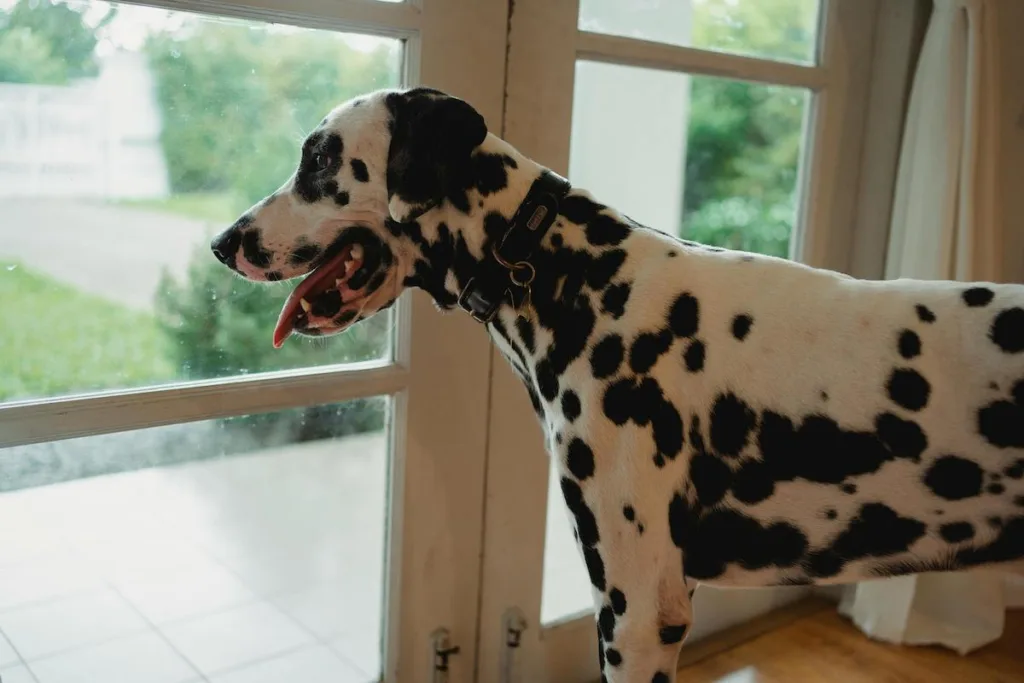
Introduction: Your Dalmatian’s Winter Woes
Hey there, fellow Dalmatian lover. If you’re like me, you’ve spent years marveling at the energy of those spotted goofballs. But as winter sets in and our dogs get a little older, we might notice something: a bit of stiffness when they get up, a reluctance to jump into the car, or a slower pace on the morning walk. It hits home, doesn’t it? Seeing our vibrant companions slow down is tough.
Winter is a particular challenge for Dalmatian joints. The cold can make any stiff joint feel worse, and let’s be honest, our indoor heating and the temptation to skip long walks don’t help. For our senior Dals, this season can be the hardest. But here’s the good news from one experienced owner to another: with the right knowledge and a proactive plan, we can make a huge difference in their comfort and mobility. Let’s dive into what’s going on with those joints and how we can help our best friends thrive, even in the frosty months.
❄️ Why Winter is the Joint-Stiffness Season
Think about how your own knees or back might ache when it’s cold and damp. It’s similar for dogs. Cold temperatures can cause muscles to tighten and joint fluid to thicken, making movement less fluid. Add in slippery surfaces and less overall activity (for both of you!), and you have a recipe for increased stiffness. For a breed like the Dalmatian, which can be prone to certain joint issues, this seasonal shift needs our attention.
What’s Going On? Common Joint Issues in Dalmatians
First, it’s crucial to understand that Dalmatians aren’t the most arthritis-prone breed, but they have their own unique set of considerations. Their athletic build and high energy mean they’re active, which can lead to wear and tear. The main culprits we often see are:
1. Hip Dysplasia: Not Just a Big Breed Problem
While more common in larger breeds, hip dysplasia can occur in Dalmatians. It’s a malformation of the hip socket that leads to looseness, gradual wear, and eventually, arthritis. A senior Dalmatian who was very active in youth might start showing signs now.
Concrete sign to watch for: The “bunny hop” run, where both back legs move together, or difficulty rising on hind legs.
2. Arthritis (Osteoarthritis): The Wear-and-Tear Culprit
This is the most common issue we face with aging Dals. The cartilage cushioning the joints breaks down, causing bone-on-bone friction, pain, and inflammation. Winter cold and dampness can magnify this pain dramatically.
Concrete sign to watch for: Stiffness that improves after a few minutes of movement (“warming out of it”), or hesitancy to go up stairs.
3. Patellar Luxation: The Slipping Kneecap
This is when the kneecap (patella) slips out of its groove. It can range from mild (occasional skipping) to severe (constant lameness). You might see your Dal suddenly hold a back leg up for a step or two, then put it down and carry on like nothing happened.
🩺 When to Call the Vet (No Hesitation!)
This isn’t just general advice; it’s a rule. Call your vet if you notice:
- Sudden, severe limping or inability to bear weight on a leg.
- Visible swelling or heat around a joint.
- Whining, yelping, or aggression when a specific area is touched.
- Loss of appetite or change in personality along with stiffness.
- Any of the “concrete signs” mentioned above that are new or worsening.
A proper diagnosis is the first and most critical step. Your vet might suggest X-rays to see what’s happening inside those joints.
Your Step-by-Step Winter Joint Care Plan
Okay, so we know the “what” and the “why.” Now, let’s get practical. Here’s a battle plan to keep your Dalmatian moving comfortably all winter long.
Step 1: Optimize the Indoor Environment
Your home is their sanctuary. Make it joint-friendly.
- Warm, Orthopedic Beds: Get them off the cold, hard floor. Memory foam or orthopedic beds provide support and insulation. Place them away from drafts and in their favorite spots.
- Non-Slip Surfaces: Hardwood and tile floors become ice rinks for aching joints. Use interlocking foam mats, area rugs, or even yoga mats to create secure pathways through your home.
- Ramps, Not Jumps: Invest in a sturdy ramp for the couch or bed. Lifting a 50+ pound Dal in and out of the car is hard on your back and their joints. A car ramp is a game-changer.
Step 2: Rethink Exercise & Activity
Less intensity, more consistency is the key.
- Shorter, More Frequent Walks: Instead of one long, cold walk, try two or three shorter ones. This keeps muscles warm and joints lubricated without overdoing it.
- Embrace Indoor “Brain Games”: On bitter days, replace physical exertion with mental stimulation. Food puzzles, scent games (“find the treat”), and short, positive training sessions keep them engaged without stressing joints.
- Low-Impact Fun: Gentle indoor play like “hide and seek” with a favorite toy or slow, controlled fetch down a carpeted hallway can work well.
Step 3: Nutrition & Supplement Support
You can’t out-exercise a bad diet. What goes in is fuel for repair.
| What to Consider | Why It Helps in Winter |
|---|---|
| Joint Supplements (Glucosamine/Chondroitin/MSM) | These are the building blocks for cartilage and joint fluid. Think of them as daily maintenance. Starting or continuing them through winter is crucial. |
| Omega-3 Fatty Acids (Fish Oil) | A powerful natural anti-inflammatory. It helps reduce the internal “fire” in arthritic joints. The effect is often noticeable within weeks. |
| Maintain a Lean Weight | Every extra pound is 4-5 pounds of pressure on the joints. Winter often means less activity, so be extra mindful of treat intake and adjust food portions if needed. |
| Hydration | Indoor heating dries the air. Ensure fresh water is always available. Proper hydration keeps all body tissues, including joint capsules, healthy. |
Step 4: Physical Comfort & Therapies
Sometimes they need a little extra TLC.
- Warmth is Therapy: A heated pet bed (on a low setting) or a microwavable heat pad wrapped in a towel can provide wonderful relief for stiff areas. Always supervise use.
- Gentle Massage: Learn simple, gentle massage techniques. Rubbing down their thighs, shoulders, and along the spine can increase circulation and ease muscle tension. Do this while they’re relaxed on their cozy bed.
- Professional Help: Consider asking your vet about canine physical therapy, acupuncture, or laser therapy. These can be incredibly effective for managing pain and improving mobility.
Pro Tips for the Season & Beyond
🌟 Winter Wisdom for Dal Owners
- Paw Care: Ice, salt, and chemical de-icers are brutal on paws. Use pet-safe ice melt on your property, wipe paws after every walk, and consider well-fitting dog boots for protection.
- The “Warm-Up” Walk: Start your walks slowly. Let your Dal amble and sniff for the first 5-10 minutes to let those joints warm up naturally before any brisk pace.
- Observe, Don’t Assume: You know your dog best. If they’re refusing a walk they normally love, it’s likely pain, not stubbornness. Listen to them.
- Grooming Matters: Keep the fur between their paw pads trimmed to prevent ice ball buildup, which can alter their gait and strain joints.
Conclusion: A Season of Cozy Care
Navigating winter with a senior Dalmatian or one with joint concerns is about shifting from a summer of adventure to a season of cozy, mindful care. It’s not about doing less for them, but about doing different—more intentional—things. By creating a warm, safe home, adjusting our exercise routines, supporting their bodies with the right nutrients, and staying vigilant, we can ensure our spotted companions enjoy every season with as much comfort and joy as possible.
The bond we share with our Dals is built on a lifetime of shared miles. Let’s make sure we’re paving the path ahead with comfort in every step.
What’s the one change you’ve made for your Dal’s joint health this winter that has made the biggest difference? I’m always looking for new ideas to share with our spotted family!