Your Spotted Friend in the Snow: A Dalmatian’s Guide to Winter Wellness
Hey there, fellow dog lover! If you’re sharing your life with a Dalmatian, you know they’re more than just a pretty coat of spots. They’re energetic clowns, loyal shadows, and surprisingly sensitive souls wrapped in that short, sleek fur. As the winter months roll in, that sensitivity to cold becomes a real thing we need to manage. I’ve been through many winters with my own Dal, and let me tell you, figuring out their comfort zone is key. It’s not just about them being “cold”—it’s about their whole winter routine. Let’s dive into how to keep your adult Dalmatian happy, healthy, and warm when the temperature drops.
❄️ The Dalmatian’s Winter Reality Check
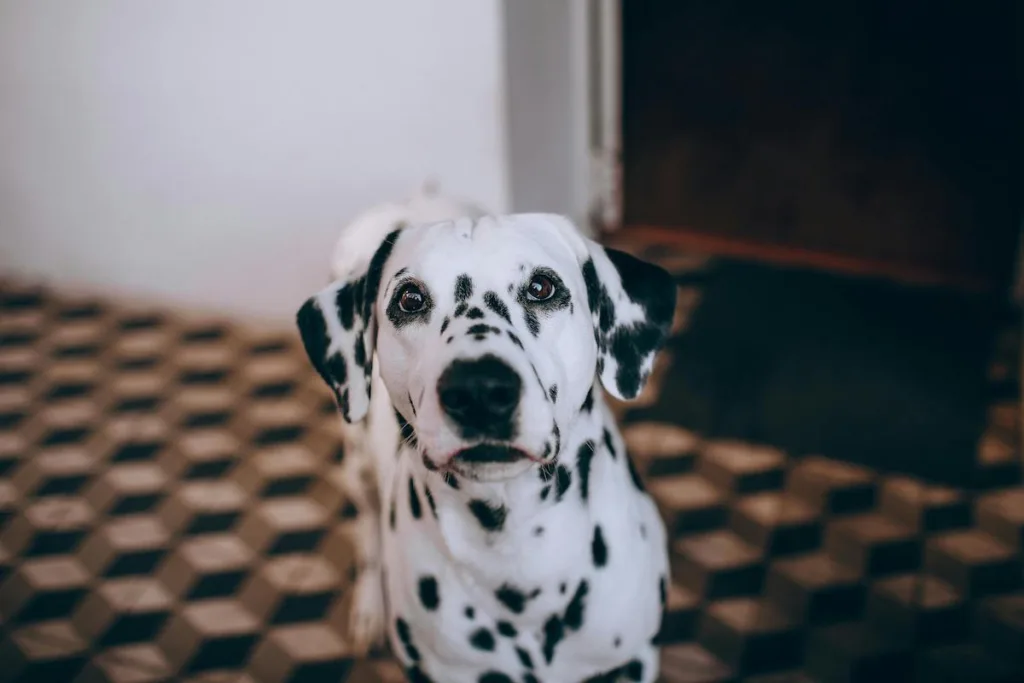
First things first, let’s bust a myth: that single coat isn’t built for a polar expedition. Unlike double-coated breeds, Dalmatians lack a dense, insulating undercoat. Their fur lies close to the skin, which is great for cleaning up after muddy adventures but not so great for retaining body heat. Combine that with their lean, muscular build (less fat for insulation) and you’ve got a dog that feels the chill faster than you might expect. It’s our job to be their advocate and comfort manager when the mercury falls.
Why Is My Dalmatian So Chilly? Understanding the Causes
It’s easy to think, “It’s just a little cold,” but for a Dal, several factors combine to make winter a genuine challenge. Knowing these helps us be proactive.
1. The Coat Conundrum
That beautiful spotted coat is essentially a light jacket, not a winter parka. It offers minimal insulation. On a damp, windy day, it provides almost no protection against the cold seeping right to their skin.
2. Low Body Fat & High Metabolism
Dals are athletes. They’re built for endurance running, not for hibernating. Their low body fat means less natural insulation. While their metabolism is high, the energy from their food is used for activity and body function, not primarily for generating warmth at rest in a cold environment.
3. The “Indoor Heating & Lower Activity” Trap
Here’s a big, often overlooked one. In winter, we crank the heat indoors, creating a dry, warm oasis. But then we take our dog from this 70°F (21°C) house straight out into a 30°F (-1°C) world. That shock is significant! Furthermore, with shorter days and nasty weather, our walks often get shorter and less frequent, and outdoor playtime dwindles. This drop in activity means they’re not generating as much internal body heat through movement.
4. Age and Health Factors
An adult Dal in its prime is resilient, but as they age, or if they have any underlying health issues like arthritis (which Dals can be prone to), the cold can exacerbate stiffness and discomfort. A dog that’s feeling unwell will also struggle to regulate its temperature effectively.
Your Step-by-Step Winter Action Plan for a Cozy Dalmatian
Don’t worry, keeping your Dal comfy is totally doable. It’s about layering strategies, just like we do for ourselves.
Step 1: Gear Up with the Right Outerwear
Invest in a good-quality dog coat or sweater. This isn’t a fashion statement; it’s a necessity.
- For dry cold: A fleece or wool sweater provides great insulation.
- For wet/snowy conditions: A waterproof and windproof jacket is essential. Look for one that covers from the neck to the base of the tail and has a snug, but not tight, fit.
- Pro Tip: My Dal hated sleeves! We found a great puffer-style vest that covered his core (where vital organs are) without restricting his legendary shoulder movement. Experiment to see what your dog tolerates best.
Step 2: Master the Indoor Climate & Routine
Your home is their sanctuary. Manage the transition.
- Comfy Bedding: Get them a thick, orthopedic bed placed away from drafts (not right next to the front door or a leaky window). Raised beds can also keep them off cold floors.
- Heat Source Awareness: They might love to curl up by the radiator or fireplace. That’s fine, but ensure they can move away to avoid overheating and provide a non-heated resting option too. Watch for excessive dryness—a humidifier can help both of you!
- Shorter, More Frequent Potty Breaks: Instead of two long walks, consider three or four shorter outings. This minimizes their exposure to the harsh cold while still meeting their needs. Make these trips efficient: coat on, business done, warm cuddles after.
Step 3: Adapt Exercise & Nutrition (Carefully!)
This is a delicate balance. Never drastically increase food without veterinary advice.
- Indoor Brain Games: When it’s miserable outside, tire their brain. Snuffle mats, puzzle toys, hide-and-seek with treats, or short 5-minute training sessions for new tricks are fantastic. A mentally tired Dal is a happy Dal.
- Find Indoor Play Spaces: Can you visit a pet-friendly store, an indoor dog gym, or even have a hallway fetch session? This maintains muscle and burns energy.
- Food & Water: Ensure they always have access to fresh, unfrozen water. If your dog’s outdoor activity level has dropped significantly, they may need slightly less food to avoid weight gain. Conversely, if they are spending more active time in the cold (e.g., winter hiking), they may need a bit more. Always consult your vet before changing food portions.
🐾 Paw-fect Winter Paw Care
Snow, ice, and road salt are brutal on paws. After every walk, wipe their paws and belly with a warm, damp cloth to remove salt and chemical de-icers, which are toxic if licked. Check for cracked pads or ice balls between toes. Using a pet-safe paw balm before walks can create a protective barrier. Dog boots are the gold standard for protection if your pup will wear them!
Key Winter Tips & When to Sound the Alarm
Let’s summarize the essentials and talk about red flags.
| Do’s ✅ | Don’ts ❌ |
|---|---|
| Use a coat for all outdoor trips in freezing weather. | Shave or trim their coat in winter (it’s their only layer!). |
| Provide a warm, draft-free bed. | Assume they’re fine on long walks just because they’re running. |
| Wipe paws clean after every walk. | Leave them outside unattended, especially in wet conditions. |
| Keep indoor play and mental stimulation high. | Overfeed due to decreased activity; monitor weight. |
🩺 When to Call Your Veterinarian
You know your dog best. If you notice any of the following, it’s time to pick up the phone:
- Persistent Shivering or Whining: This is the most obvious sign of being too cold.
- Lethargy, Weakness, or Acting “Off”: Hypothermia can set in.
- Anxiety about Going Outside: They might be associating the cold with pain or discomfort.
- Limping or Licking Paws Excessively: Could be from ice cuts, salt irritation, or even frostbite.
- Signs of Dry, Itchy Skin: The combo of cold air and indoor heat can cause dermatitis.
Remember: If your dog gets wet in cold weather (from rain, slush, or snow), getting them dry and warm is an immediate priority. A wet Dalmatian in the cold loses body heat dangerously fast.
Wrapping Up: A Warm Dal is a Happy Dal
Winter with a Dalmatian isn’t about locking yourselves inside until spring. It’s about smart adjustments and mindful care. By understanding their unique vulnerability to the cold, gearing them up properly, adapting their routine, and staying vigilant, you can ensure your spotted companion thrives all season long. The extra effort is worth it for those cozy couch cuddles after a brisk, well-managed winter walk. You’re not just an owner; you’re their comfort zone.
So, what’s the first winter hack you’re going to try with your Dalmatian? Have you found a particular brand of coat or an indoor game that yours absolutely loves? I’m always swapping tips with other Dal owners—the more we share, the warmer (and happier) our pups will be! 🐕🦺❤️