My German Shepherd Seems So Cold in Winter – Is This Normal?
Hey there, fellow GSD owner. I’ve been right where you are, watching my big, tough shepherd shiver on a frosty morning and feeling that pang of worry. First things first, let’s get this out of the way: it’s completely normal to be concerned. These dogs are part of our family.
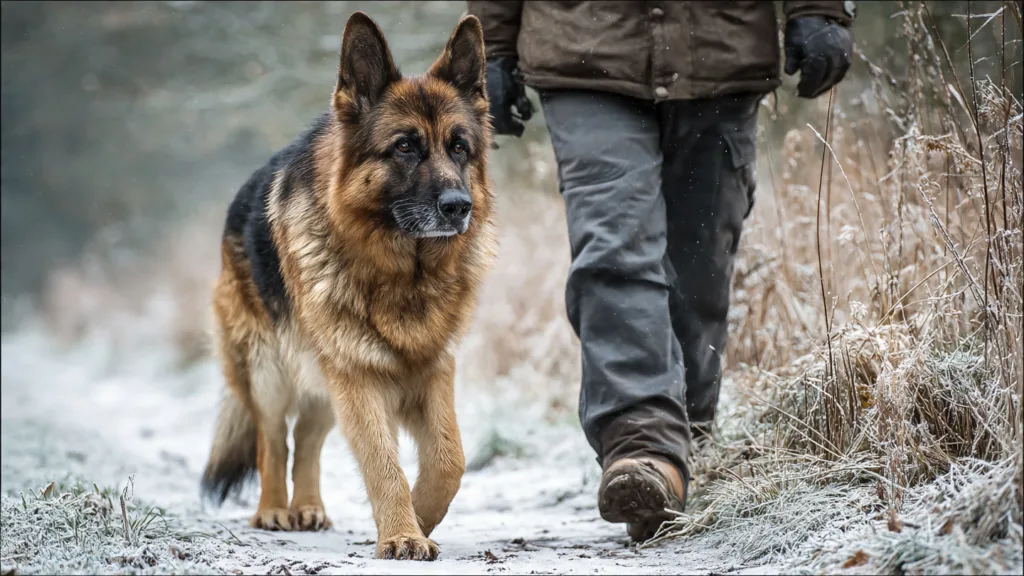
The good news? A certain amount of sensitivity to the cold is normal, especially for some German Shepherds. While they have a double coat designed for weather protection, they aren’t polar bears. Think of their coat like a top-notch winter jacket—it’s great, but in a brutal, wet cold, you’d still want layers underneath. So yes, your dog feeling the chill is a real thing, and it’s smart of you to be paying attention.
🕵️♂️ Spotting the Signs Your GSD is Too Cold
Dogs can’t tell us they’re freezing, but their bodies shout it. Here’s what to look for:
- Shivering or Trembling: This is the most obvious one. It’s the body’s way of generating heat.
- Whining or Barking: They might be trying to tell you, “Hey, it’s cold out here! Let’s go in!”
- Lifting Paws: Their paw pads are sensitive to ice and cold surfaces. Lifting them up one at a time is a clear signal.
- Seeking Shelter: If they’re desperately trying to burrow under bushes, find a corner out of the wind, or scratch at the door, they want out of the elements.
- Slowed Down or Stiff Movement: The cold can make muscles and joints stiff, especially in older adults.
- Curling Up Tight: They’ll ball up to conserve body heat, tucking their nose under their tail.
Your Action Plan for a Cozy and Happy Shepherd
Okay, so you’ve spotted the signs. Now what? Don’t stress. A few simple changes can make a world of difference for your furry friend during the winter months.
1. Layer Up: The Jacket Debate
I know, I know. Putting a coat on a German Shepherd can feel a little silly. But hear me out. For older dogs, dogs with thinner coats, or during particularly wet and windy conditions, a waterproof or insulated dog jacket is a game-changer. It blocks the wind and keeps their core dry and warm. It’s not about fashion; it’s about function.
2. Paw Care is Non-Negotiable
Your dog’s paws are in direct contact with ice, snow, and worst of all, de-icing chemicals. Here’s your paw-care routine:
- Booties: These are the ultimate protection. They prevent snowball buildup between the toes and shield pads from salt and ice melts, which can be toxic and cause chemical burns.
- Paw Balm: Before walks, rub a pet-safe paw balm or even a little vaseline on their pads. This creates a protective barrier. After the walk, wipe their paws with a warm, damp cloth to remove any salt or chemicals.
- Trim the Fur: Keep the hair between their paw pads trimmed short to minimize ice ball formation.
3. Adjust Their Indoor Environment
When the heating kicks on, the air inside can get dry, and drafts can sneak in.
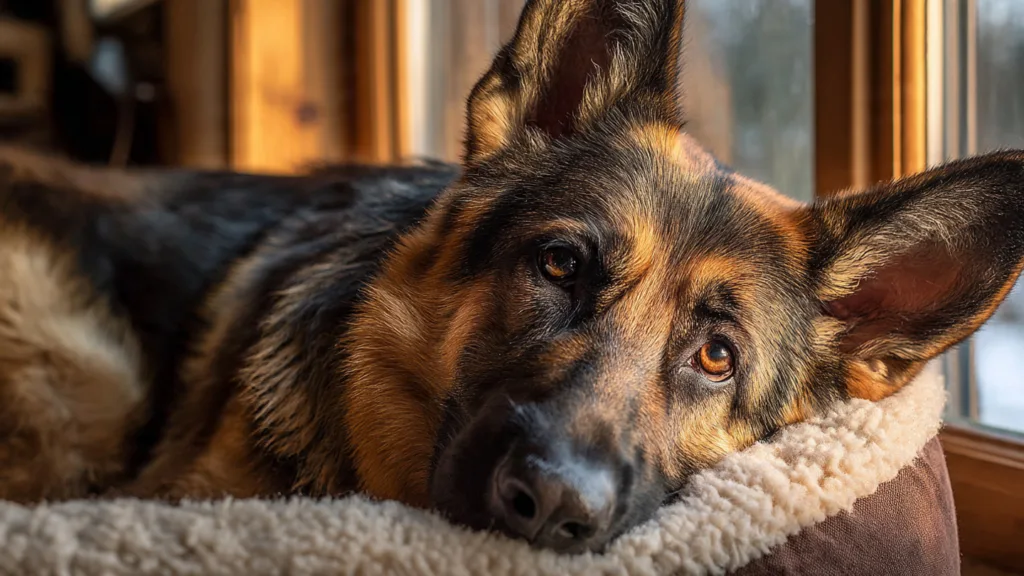
- Cozy Bedding: Get them a nice, thick, elevated bed to keep them off cold floors. Place it away from drafty windows or doors.
- Humidity: If your home feels dry, a humidifier can help both you and your dog’s skin and respiratory system.
- Pajamas? For a dog that really feels the cold, a light, comfortable set of indoor dog pajamas can provide that extra layer of warmth while they’re lounging.
4. Rethink Food & Exercise
Winter often means a natural drop in activity. We’re less inclined to go on long hikes, and so are they. Because of this, they might not need extra food. In fact, overfeeding during a sedentary period can lead to weight gain. Keep an eye on their weight and adjust portions accordingly. Of course, if your dog is still very active outdoors, their caloric needs might not change. It’s all about balance.
| Do This ✅ | Not This ❌ |
|---|---|
| Use pet-safe ice melts on your property. | Assume all road salt is harmless. |
| Wipe paws with a warm cloth after walks. | Let them lick chemical residue off their feet. |
| Keep outdoor potty breaks brief and supervised. | Leave them out in the yard unattended for long periods. |
| Provide plenty of fresh, unfrozen water. | Forget that outdoor water bowls freeze solid. |
When It’s Time to Call the Vet
Most winter chills are manageable at home, but you need to know when it’s more serious. Contact your veterinarian immediately if you notice any of the following:
- Signs of Hypothermia: Intense shivering that suddenly stops, lethargy, weakness, shallow breathing, or confusion. A dog that stops shivering when it’s still cold is a major red flag.
- Paw Pad Injury: Limping, licking paws excessively, or visible cracks, bleeding, or discoloration from ice melt chemicals.
- Signs of Illness: A cold can sometimes just be a cold, but if it’s paired with a cough, runny nose, or loss of appetite, a vet visit is a good idea to rule out things like kennel cough or other infections.
Prevention is the Best Medicine
The best way to handle the cold is to get ahead of it. A little prep goes a long way in ensuring your German Shepherd stays happy and healthy all winter long.
- Grooming is Key: Never shave your German Shepherd in the winter! Their double coat is their built-in insulation. Instead, regular brushing is crucial to remove dead undercoat and allow the healthy, insulating fur to do its job.
- Stay on Top of Health: Arthritis and joint pain can feel worse in the cold. If your adult or senior GSD seems stiffer, talk to your vet about supplements or treatments to keep them comfortable.
- Embrace Indoor Fun: On those days when it’s just too nasty to be outside, keep their mind active. A 15-minute training session, a puzzle toy, or a game of hide-and-seek with treats indoors can tire them out just as well as a long walk.
Navigating the winter with your German Shepherd is all about being observant, proactive, and full of a little extra TLC. You’ve got this.
What’s one quirky thing your German Shepherd does when they’re cold? Mine always tries to steal my spot on the couch the second I get up because it’s the warmest place in the house!