
🐾 Introduction
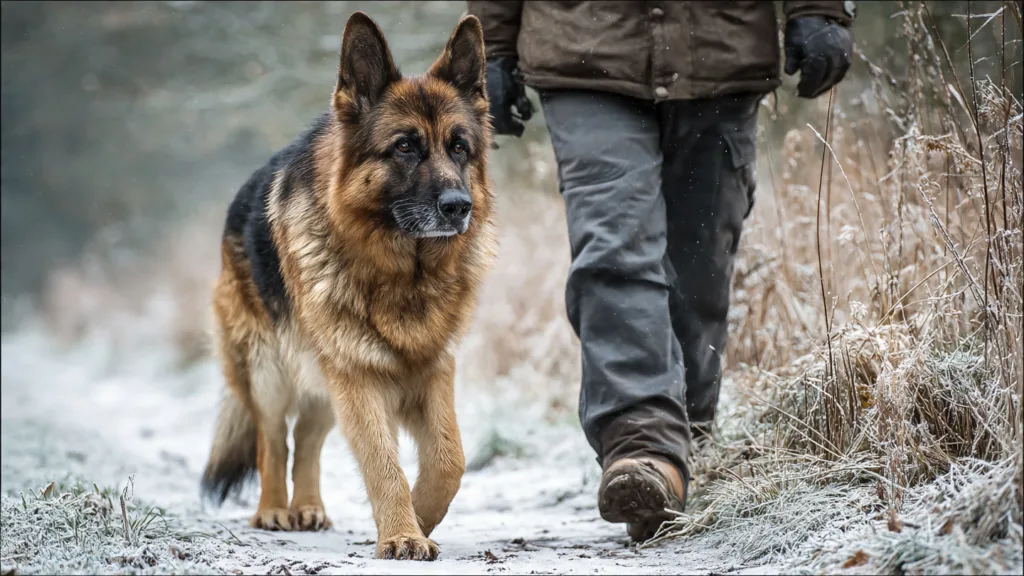
Spring is supposed to be a great time for your German Shepherd, more walks, more activity, more energy.
But sometimes, the opposite happens.
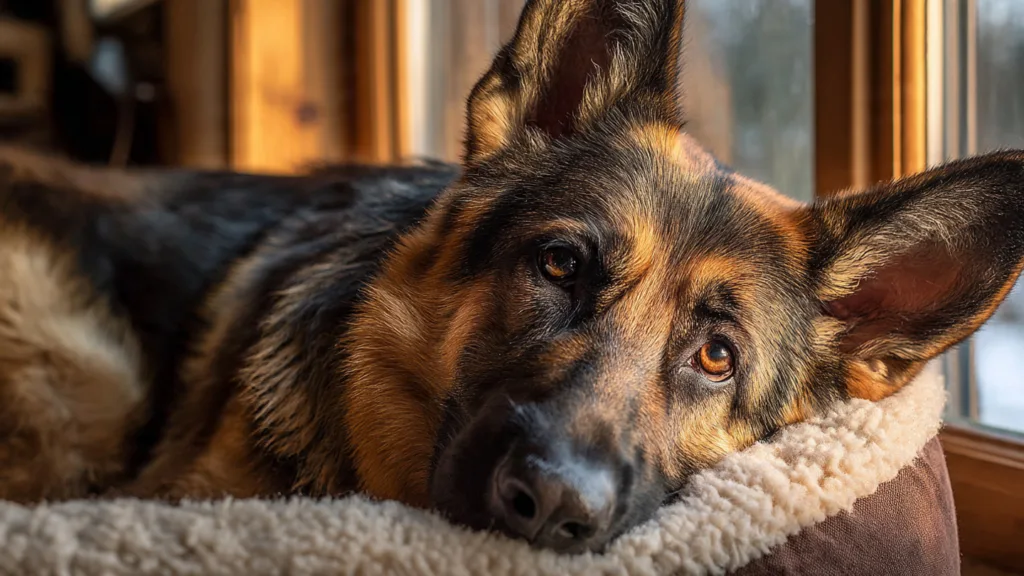
👉 Your dog seems tired… less playful… maybe even a bit “off.”
And that’s when the question hits:
Is my German Shepherd getting sick?
The truth is, spring brings several hidden health risks that can affect your dog quickly.
In this guide, you’ll learn how to recognize the warning signs of illness, understand what might be causing them, and know exactly when to take action.
⚠️ Why Dogs Get Sick More Often in Spring
Spring introduces sudden changes that can impact your dog’s health:
- Temperature fluctuations
- Increased exposure to allergens
- Return of parasites
- More outdoor activity
👉 These factors can weaken your dog’s system or trigger underlying issues.
🚨 10 Warning Signs Your German Shepherd May Be Sick
Not all symptoms are obvious. Some are subtle, but important.
1. Low Energy or Lethargy
If your dog is unusually tired or less active, it’s a red flag.
2. Loss of Appetite
Skipping meals or eating less than usual can indicate illness.
3. Excessive Scratching or Licking
Often linked to:
- Allergies
- Parasites
- Skin infections
4. Limping or Stiffness
Could be due to:
- Joint issues
- Injury
- Tick-borne diseases
5. Vomiting or Diarrhea
👉 Common but should never be ignored if persistent.
6. Red or Irritated Skin
Especially during spring, this may signal:
- Allergies
- Infection
7. Sneezing or Watery Eyes
Often caused by:
- Pollen
- Environmental irritants
8. Bad Odor (Skin or Ears)
👉 Can indicate bacterial or fungal infections.
9. Behavioral Changes
- Irritability
- Restlessness
- Withdrawal
Dogs often show discomfort through behavior.
10. Fever or Warm Nose
👉 A possible sign of infection or inflammation.
🧠 Common Causes of Illness in Spring
Understanding the cause helps you act faster.
🌼 Allergies
- Pollen
- Grass
- Dust
🐜 Parasites
- Ticks
- Fleas
👉 Can lead to infections or disease.
🌧️ Moisture-Related Skin Issues
- Hot spots
- Fungal infections
🌡️ Sudden Weather Changes
👉 Can stress your dog’s immune system.
🐕 Increased Activity
👉 Can reveal hidden joint or health problems.
⚠️ When Is It Serious?
Some symptoms require immediate attention.
Seek urgent care if your dog:
- Refuses to eat for more than 24 hours
- Is extremely lethargic
- Has persistent vomiting or diarrhea
- Shows signs of pain
- Has difficulty walking
👉 Don’t wait, early intervention is critical.
🛡️ What You Should Do Right Now
If you notice symptoms:
1. Observe Closely
Track:
- Behavior
- Appetite
- Energy levels
👉 Small changes matter.
2. Check for External Causes
Inspect:
- Skin
- Coat
- Paws
👉 Look for parasites or irritation.
3. Keep Your Dog Comfortable
- Provide a calm environment
- Avoid overexertion
4. Maintain Routine
Dogs recover better with stability:
- Regular feeding
- Consistent sleep
5. Don’t Delay If Symptoms Persist
👉 If in doubt, consult a vet.
❗ Common Mistakes Owners Make
- Waiting too long
- Ignoring subtle signs
- Assuming it’s “just the season”
- Treating symptoms without understanding the cause
👉 These mistakes can worsen the situation.
🧩 Final Thoughts
If your German Shepherd seems sick this spring, trust your instincts.
👉 You know your dog better than anyone.
The key is simple:
- Pay attention
- Act early
- Don’t ignore warning signs
Most spring-related health issues are manageable, if caught in time.
🔎 FAQ
Why is my dog tired in spring?
👉 It could be due to allergies, parasites, or seasonal changes.
When should I worry about my dog being sick?
If symptoms persist, worsen, or affect behavior and appetite.
Can seasonal changes make dogs sick?
Yes—spring can trigger allergies, infections, and stress on the body.