Winter is Coming: Your Practical Guide to Keeping Your Golden Retriever Cozy and Safe
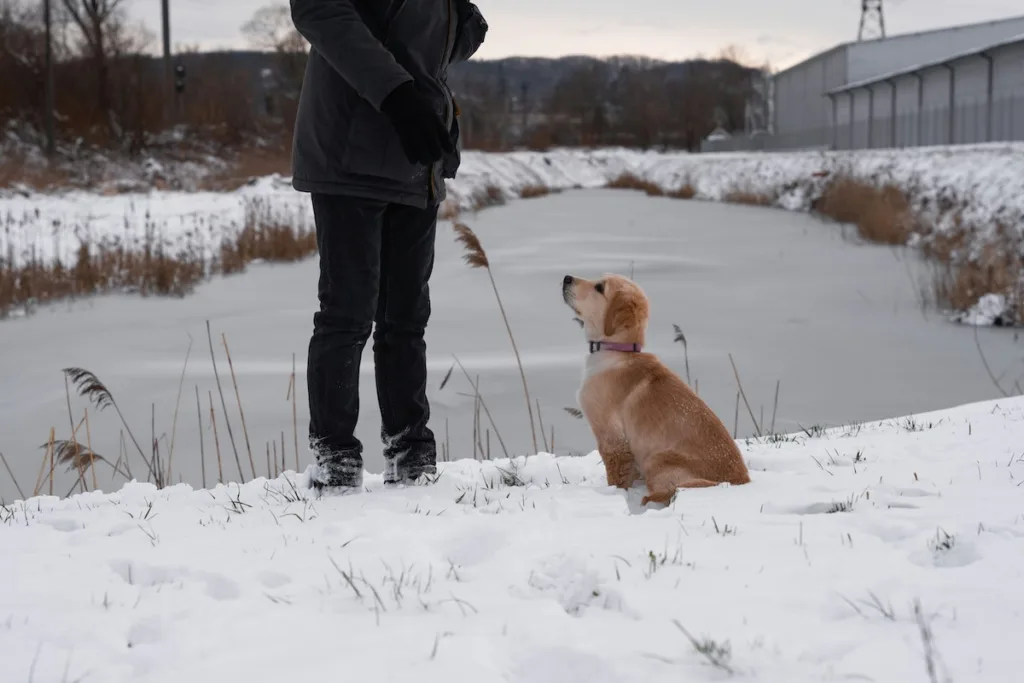
Hey there, fellow Golden lover! Over the years with my own Goldens, I’ve learned that while their lush, double-coated fur looks like the ultimate winter jacket, it doesn’t make them immune to the cold. An adult Golden Retriever can feel the chill just like we do, especially during those harsh winter months. As the temperature drops, the heating kicks on, and our own activity levels dip, it’s crucial to adjust our routines for our furry family members. Think of this as your go-to checklist, born from trial, error, and a whole lot of snowy paw-prints in the mudroom. Let’s make sure this winter is a season of cozy cuddles and happy, healthy adventures for your best friend.
Your 6-Point Winter Checklist for a Happy Golden Retriever
Here’s the core list of things to keep top of mind from the first frost to the first spring thaw.
- Master the Coat & Paw Care
- Dress for the (Winter) Success
- Adjust Food & Hydration
- Create Smart Indoor Comfort Zones
- Keep Their Mind & Body Active
- Master the Art of the Post-Walk Dry-Down
1. Master the Coat & Paw Care
Your Golden’s coat is their first line of defense, but it needs a little help from you. A matted coat loses its insulating properties, trapping moisture against the skin instead of keeping the cold out.
Pro Tip: Don’t shave your Golden in winter! That double coat is designed to regulate their temperature. Instead, step up your brushing game. Aim for a thorough brush-out 2-3 times a week to prevent mats, especially in those common trouble spots: behind the ears, under the legs, and around the fluffy pantaloons. A slicker brush and an undercoat rake are your best friends here.
Now, onto those paws. Ice, snow, and worst of all, de-icing chemicals and salt are brutal on paw pads. They can cause cracking, chemical burns, and are toxic if licked off.
- Paw Balm is a Must: Massage a pet-safe paw balm like Musher’s Secret into their pads before walks. It creates a protective barrier, like wax on a snowboard.
- Post-Walk Wash: Wipe their paws and belly with a warm, damp cloth after every single outing to remove salt and chemicals. Don’t forget to check between their toes for compacted snow and ice balls!
- Booties for the Win: If your Golden will tolerate them, booties are the ultimate protection against salt and ice melt. It might take some patience and treats to get them used to them, but it’s worth it.
2. Dress for the (Winter) Success
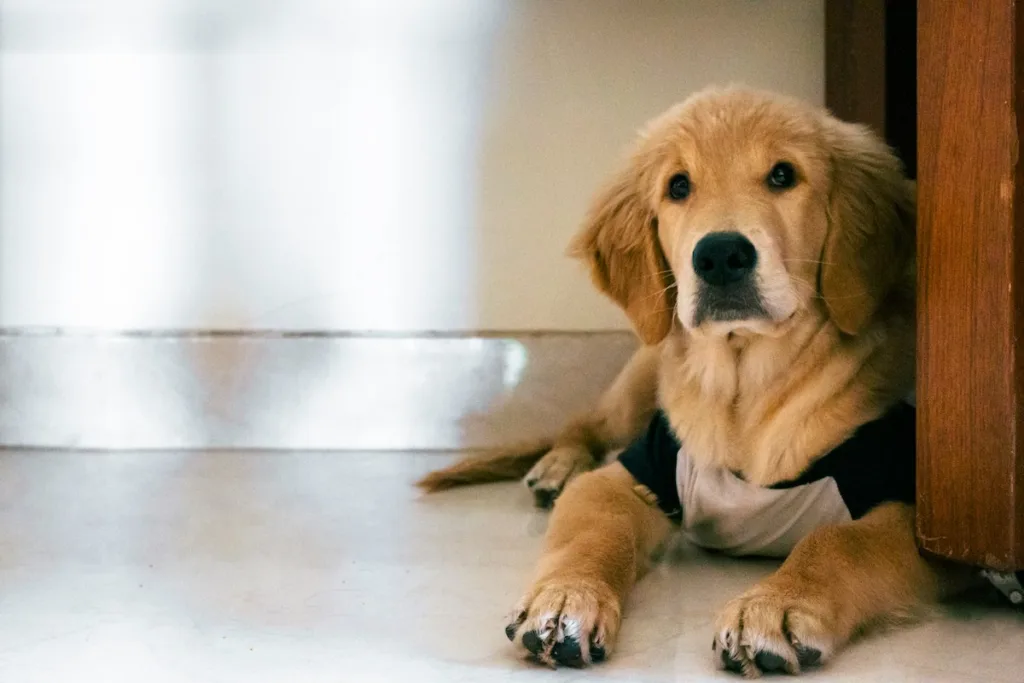
I know, I know. Putting a coat on a dog with a built-in fur coat can seem silly. But for many Goldens, especially older ones or those with thinner coats, a simple, waterproof and windproof jacket can make all the difference on a long walk. It helps retain body heat and keeps their core dry. Look for one that covers from the neck to the base of the tail.
When to See the Vet: Shivering isn’t the only sign of being too cold. Be on the lookout for whining, anxiety, slowing down, or seeking places to hide. If your dog seems lethargic, is stumbling, or you notice any pale or gray gums, these could be signs of hypothermia, and you need to contact your vet immediately.
3. Adjust Food & Hydration
This one is a bit of a balancing act. If your Golden’s outdoor activity level plummets in the winter because of bad weather, they might need fewer calories to avoid weight gain. However, if you’re still doing long hikes and they are spending a lot of energy just staying warm, they might need more calories. Keep a close eye on their weight and adjust portions accordingly. A good rule of thumb is to feel for their ribs; you should be able to feel them easily under a thin layer of fat.
Hydration is just as crucial in winter as in summer! Dry, heated indoor air can be dehydrating. Always ensure they have access to fresh, unfrozen water. Check their outdoor water bowl frequently to break any ice that forms.
4. Create Smart Indoor Comfort Zones
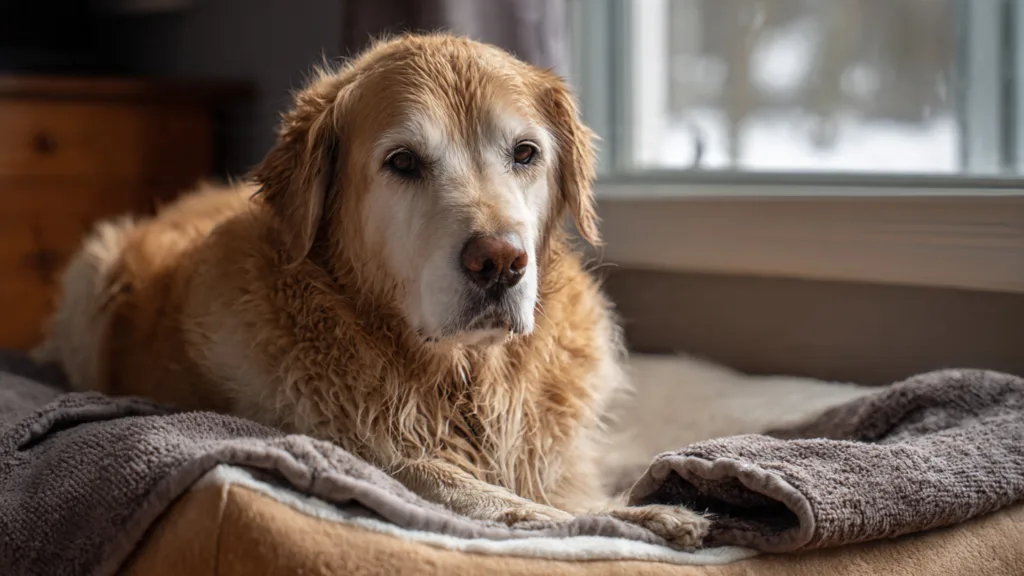
Our homes can get drafty in the winter. Pay attention to where your Golden likes to sleep. Is it near a drafty door or a single-pane window? Make sure their favorite bed is in a warm, draft-free spot. A nice, orthopedic bed with a warm blanket is perfect. Many Goldens also love having a cozy crate covered with a blanket to create a warm den-like space.
Also, be mindful of heat sources. They might love curling up next to a radiator or fireplace, but make sure they can’t get burned and that they have the option to move away if they get too hot.
5. Keep Their Mind & Body Active
A bored Golden is a destructive Golden, and winter can bring a lot of boredom. When it’s too nasty to go outside, you have to get creative.
| Indoor Activity | Why It’s Great |
|---|---|
| Food Puzzle Toys & Snuffle Mats | Tires them out mentally, which is just as important as physical exercise. It satisfies their natural foraging instincts. |
| Short Training Sessions | Practice old tricks or teach new ones like “spin” or “touch.” Mental stimulation is a powerful tool against cabin fever. |
| Hide-and-Seek with Toys or Treats | Engages their powerful nose and gives them a fun job to do inside the house. |
| Indoor Fetch in a Hallway | A quick way to burn off a burst of energy without braving the elements. |
6. Master the Art of the Post-Walk Dry-Down
This is a non-negotiable winter ritual in my house. A wet dog is a cold dog, and letting that moisture sit in their coat can lead to skin issues. Have a dedicated “dog drying zone” by the door with old towels. When you come inside, give them a thorough rub-down. Don’t just pat the top—really get in there and dry their legs, belly, and that feathery tail.
For a super-efficient dry, I’m a huge fan of the absorbent microfiber towel. It soaks up so much more water than a regular towel. For Goldens who love rolling in the snow, a high-velocity pet dryer (on a low, warm setting) can be a game-changer to blast water out of the undercoat and fluff them up to perfection.
Bonus Tip: The “Paw-lick” Check
Here’s a little bonus trick I’ve sworn by for years. After a walk where salt or de-icers were used, keep a close eye on your Golden. If you see them constantly licking their paws, it’s a sure sign that the chemicals are irritating them. This is your cue to be extra diligent with that post-walk paw wash and to consider using booties next time. It’s a simple sign that speaks volumes about their comfort.
Winter with a Golden Retriever can be absolutely magical. Those joyful leaps into snowbanks and the way their fur catches snowflakes is pure joy. With this practical checklist, you’re all set to navigate the season confidently, ensuring your furry friend stays safe, warm, and happy.
What’s your Golden’s favorite winter activity? Do they prance through the snow or demand to be carried over a snowbank? I’d love to hear your stories!