Why Is My Jack Russell So Cold? A Winter Guide for Worried Owners
Hey there, fellow Jack Russell parent! If you’re noticing your usually fiery little dog feeling chilly to the touch, shivering more than they’re zooming, or just seeming extra clingy on the couch, it’s completely normal to be concerned. I’ve been through many winters with my own JRTs, and that question, “Why is my Jack Russell cold?” has definitely crossed my mind. Let me reassure you right away: It’s a common issue, especially in winter, and there are plenty of simple, effective solutions. These energetic dogs have a high metabolism but a short, single-layer coat, which makes them surprisingly susceptible to the cold. Think of it like this: they’re a powerful little engine without much insulation. Let’s dive into what you can do to keep your best friend warm, happy, and healthy all season long.
Warming Up Your Chilly Jack Russell: Immediate Actions
First things first, if your pup feels cold, here’s your game plan. These are the steps I take to warm up my own dog when he comes in from a frosty walk or is just having a cold moment.
🛋️ Create a Cozy, Draft-Free Sanctuary
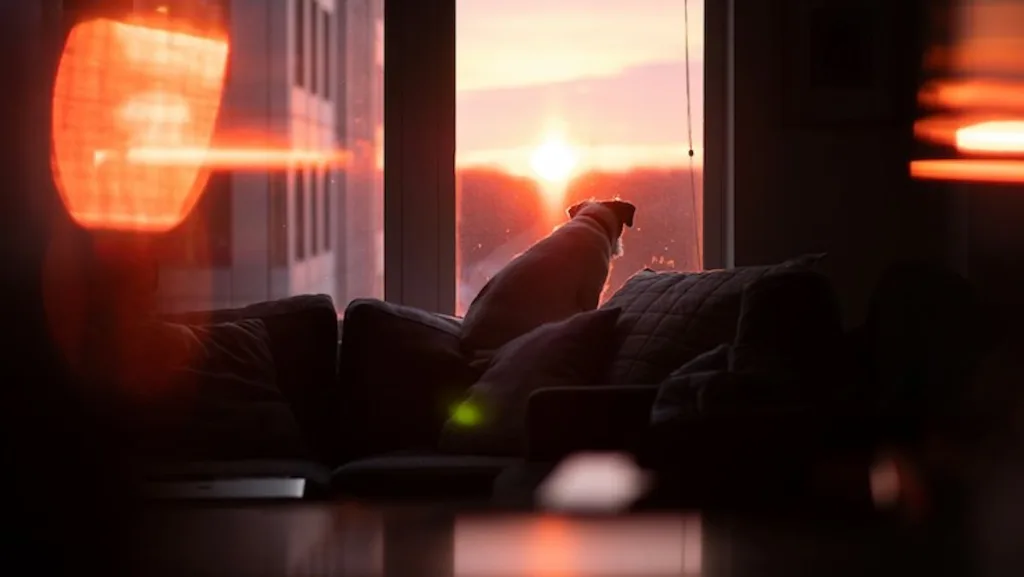
Jack Russells are masters of finding the warm spot. Help them out! Move their bed away from cold floors, exterior walls, or drafty windows. Elevate it slightly if you can. Pile in some soft, warm blankets (fleece is a favorite) they can burrow into. You’ll often find they love to be partially covered. A heated dog bed set on a low setting or a simple microwavable heat pad (wrapped in a towel for safety) can be a game-changer for an older dog or a jack russell chiot (puppy), who loses body heat even faster.
🧥 The Jacket is Non-Negotiable
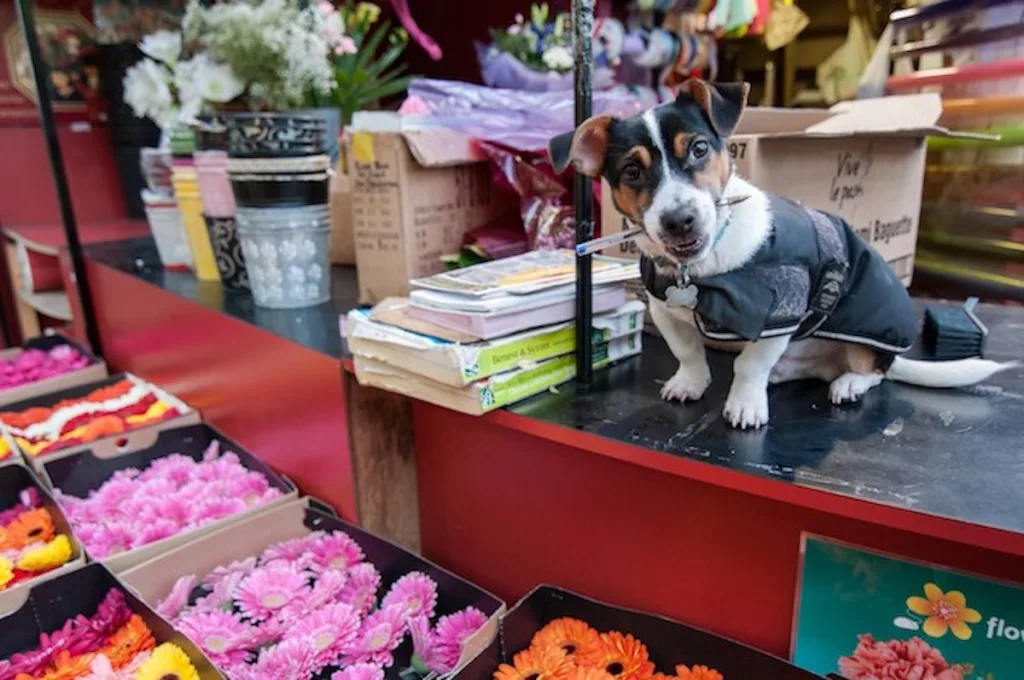
I know, some folks think dog clothes are silly. But for a Jack Russell in winter, a good-fitting sweater or waterproof coat is essential gear, not a fashion statement. Always put one on for walks when the temperature drops or it’s wet and windy. Look for one that covers from the neck to the base of the tail and doesn’t restrict their movement. Indoors, if your house is kept cool or your dog seems persistently chilly, a light indoor sweater can provide that extra comfort.
🤗 Warmth Through Contact & Encouraging Movement
Your body heat is the best warmer. Snuggling under a blanket together is a win-win. Gentle massage can also help stimulate blood flow. Since winter often means a baisse activité (drop in activity), their circulation can slow down. Play a short, active game of fetch in the hallway or practice some quick training tricks to get them moving and generate some internal heat.
Quick Reference: Is It Just the Cold, or Something More?
| Likely Just Chilly 🥶 | Time to Pay Closer Attention 🔍 |
|---|---|
| Feels cool to the touch (ears, paws). | Feels cold and is lethargic or unresponsive. |
| Shivers briefly when coming inside. | Violent, uncontrollable shivering that doesn’t stop when warmed. |
| Seeks out warm spots and blankets. | Whining, crying, or showing signs of pain/anxiety. |
| Warms up quickly with the actions above. | Cold to the touch even in a warm room. |
When a Cold Dog Signals a Vet Visit
Most of the time, the froid (cold) is just environmental. But sometimes, it can be a symptom of an underlying health issue. It’s always better to be safe. Consult your veterinarian if you notice any of the following alongside the chilliness:
- Lethargy or weakness: If your normally energetic Jack is unusually tired, slow, or seems weak.
- Loss of appetite or thirst: Not interested in food or water is a major red flag.
- Pale gums: Check their gums; they should be a healthy pink, not white or pale.
- Labored breathing or coughing: Any respiratory issue combined with feeling cold needs attention.
- The chill won’t go away: If you’ve warmed them up in a cozy environment for an hour and they still feel cold to the core.
Conditions like hypothermia (in severe cases), low blood sugar (especially in puppies), hormonal issues like hypothyroidism, or illness can all cause a low body temperature. Your vet can run some simple tests to rule these out and give you real peace of mind.
Preventing the Shivers: Your Winter Prevention Plan
An ounce of prevention is worth a pound of cure! Here’s how to set up your home and routine to keep your Jack Russell comfortably warm all winter long.
- Manage Indoor chauffage (Heating): Keep your home at a consistent, comfortable temperature. Avoid big drops at night if your dog sleeps in a cooler room. A cozy crate with blankets can create a perfect microclimate.
- Shorter, More Frequent Potty Breaks: Instead of one long walk in the freezing cold, opt for several shorter outings. Get the business done and get back inside to play.
- Paw & Belly Care: Ice, salt, and chemical de-icers are brutal on paws. Wipe their paws and belly after every walk with a damp cloth. Consider dog booties or a protective paw balm.
- Nutrition Matters: Dogs burn more calories trying to stay warm. Talk to your vet about whether your dog’s food portion needs a slight seasonal adjustment, particularly for very active or thin Jacks.
- Comfort for the Young & Old: Extra vigilance is key for jack russell chiot puppies and senior dogs. They regulate temperature less efficiently. Provide them with the warmest beds and consider restricting their time outdoors in extreme cold.
Winter with a Jack Russell is all about balancing their boundless energy with their need for a little extra coziness. By understanding why they get cold and taking these proactive steps, you’re ensuring your adventurous companion stays safe and snug. Now, I’d love to hear from you!
What’s your Jack Russell’s favorite way to stay warm on a chilly day? Do they have a special sweater or a favorite blanket fort they’ve made? Share your stories below!