Introduction: Your Tiny Snowflake Needs Extra Warmth ❄️
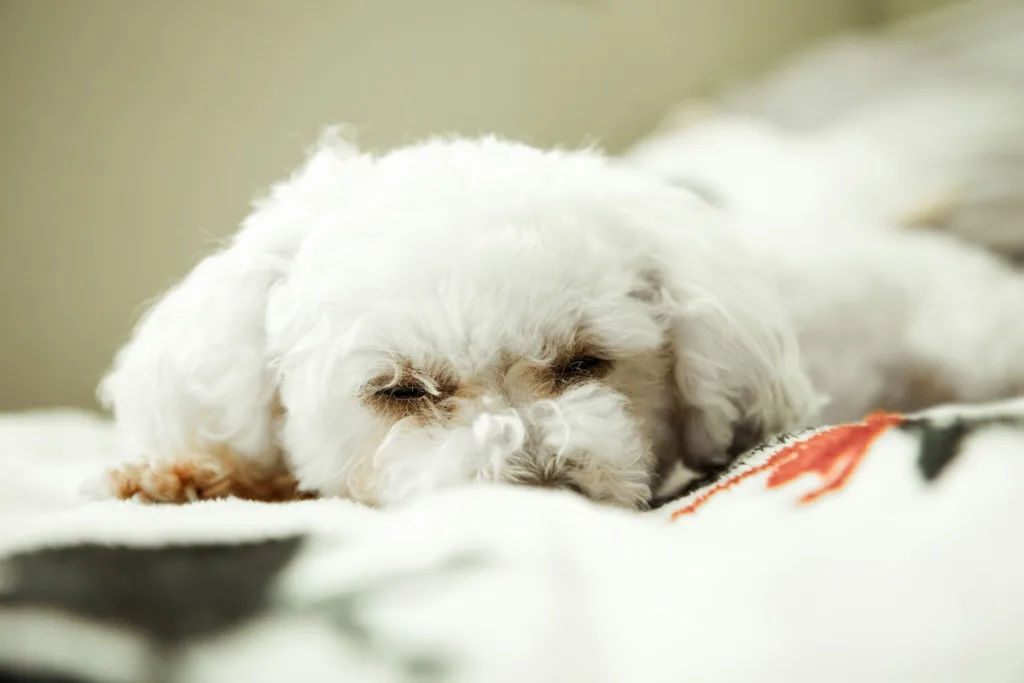
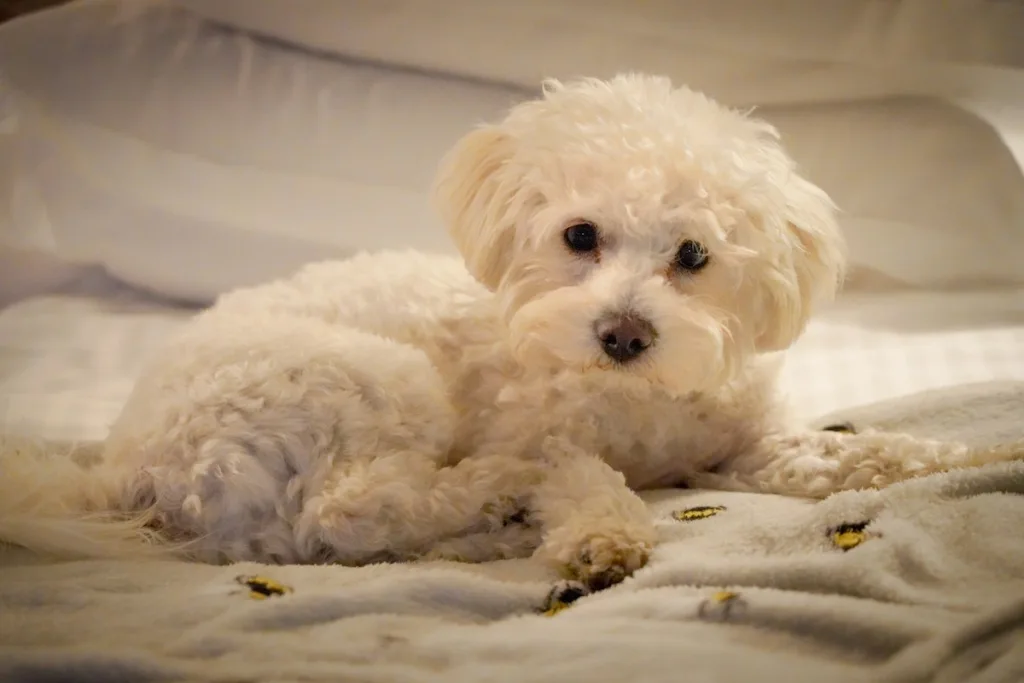
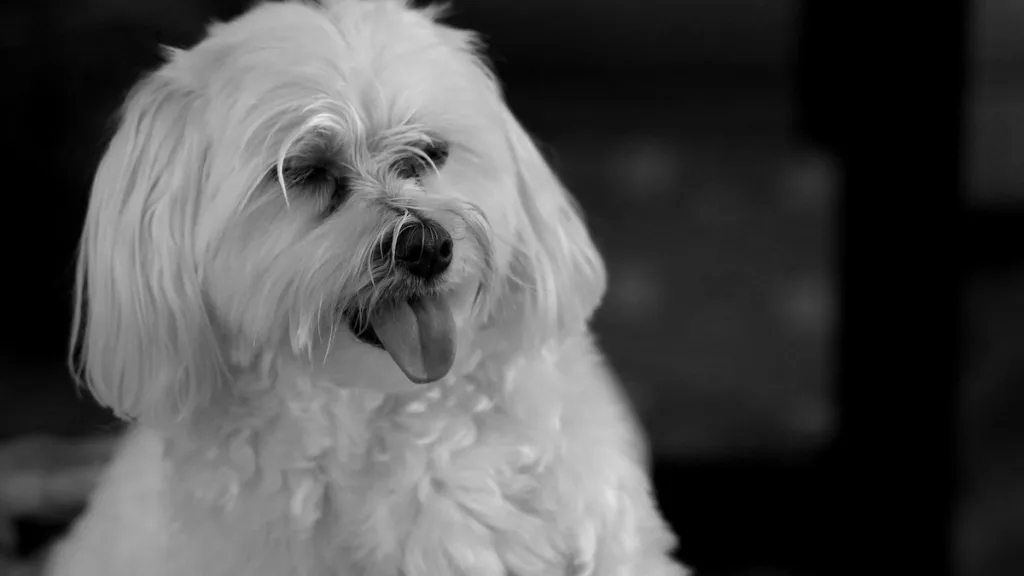
Hey there, fellow Maltese lover! If you’re reading this, you probably have a little cloud of white fluff prancing around your home, bringing endless joy. I’ve shared my life with these charming dogs for years, and let me tell you, their delicate nature becomes especially apparent when the temperature drops. That gorgeous, silky coat? It’s more for show than for serious insulation. Winter, with its cold snaps, dry heating, and lazy days, can be a tricky season for our Maltese companions, whether they’re spirited adults or vulnerable puppies. Watching for signs of discomfort isn’t just about being a caring owner—it’s about understanding their unique needs. So, let’s huddle up and talk about how to keep your Bichon Maltais safe, warm, and happy all winter long.
Quick Reality Check: A Maltese doesn’t have a double coat like a Husky. Their single layer of fine hair and small size mean they lose body heat fast. A chilly day for you can be bitterly cold for them.
Why Is My Maltese So Sensitive to the Cold?
It’s not just your imagination. Several factors make your pup a true cold-weather “sensitive soul.”
1. The Coat Conundrum: Beauty Over Brawn
That stunning, floor-length hair is beautiful, but it’s not designed for Arctic expeditions. It’s a single coat, lacking the dense, wooly undercoat that insulates many other breeds. Think of it as wearing a elegant silk shirt versus a thick wool sweater. When their hair gets damp from rain or snow, it loses any insulating properties it might have had, chilling them to the bone quickly.
2. Petite Size, Big Heat Loss
It’s simple physics. Small dogs have a higher surface area relative to their body volume. This means they lose heat much faster than larger dogs. A Bichon Maltais chiot (puppy) is even more at risk, as their tiny bodies haven’t fully developed their ability to regulate temperature.
3. Low Body Fat & Indoor Lifestyle
Maltese are naturally lean little dogs. They don’t have a layer of fat to act as natural insulation. Plus, as pampered indoor pets, they simply aren’t acclimated to harsh weather. Their bodies aren’t used to generating extra heat to cope with the cold.
4. The Hidden Dangers: Dry Air and Reduced Activity
Winter isn’t just about the outdoor chill. Inside, our heating systems blast dry air, which can irritate their sensitive skin and respiratory tracts, leading to dry noses, itchy skin, and static in their fur. Also, let’s be honest, we all move less in winter. Less activity means less internal heat generation for your pup, making them feel colder even indoors.
Step-by-Step Solutions: Building a Cozy Winter Haven
Now for the practical part! Keeping your Maltese warm is about a mix of smart gear, home adjustments, and routine tweaks.
Step 1: Gear Up for the Great Outdoors
Outdoor trips are a must, but make them brief and well-equipped.
- The Non-Negotiable Sweater or Coat: Don’t just buy any cute outfit. Look for one that covers from the neck to the base of the tail and has a snug, but not tight, fit. Water-resistant material is a huge plus for damp days.
- Paw Protection is a Must: Salt and chemical de-icers are brutal on paw pads. They cause cracking, burning, and are toxic if licked off. Use dog booties or a protective wax balm applied before each walk. After the walk, wipe their paws and belly with a warm, damp cloth to remove all residues.
- Shorten Walks, Increase Frequency: Swap one long walk for two or three shorter potty-break walks. Watch for signs they’ve had enough: lifting paws, shivering, or trying to turn back home.
Step 2: Transform Your Home into a Warm Sanctuary
Your house should be their safe, warm retreat.
- Create a Draft-Free Zone: Their bed should be in a warm room, away from drafty windows, doors, or tile floors. Elevate the bed off the cold floor.
- Bedding Matters: Ditch the thin mat. Opt for a plush, orthopedic bed with raised sides or a donut shape they can nestle into. Adding a soft, fuzzy blanket they can burrow under is a game-changer.
- Humidity is Your Friend: Combat dry heating air with a humidifier. It helps everyone breathe easier and prevents their skin and coat from becoming a static-y, itchy mess.
- Beware of Heat Sources: While they love to curl up by the fireplace or space heater, always supervise. Use a safety gate to prevent direct contact and risk of burns.
Step 3: Adjust Care & Nutrition
Small changes in daily care make a big difference.
- Grooming Strategy: Keep their coat longer in winter for extra insulation. But maintain regular brushing to prevent mats, which can trap moisture against the skin. If you do a “puppy cut,” a sweater becomes mandatory.
- Snuggle for Warmth: Your body heat is their favorite heater! Extra cuddle time on the couch under a blanket is beneficial for you both.
- Food for Thought: If your dog is very active outdoors even in cold, they may burn more calories to stay warm. Consult your vet about potentially adding a tiny bit more food. Always ensure fresh, unfrozen water is available.
Pro Tip: The “Puppy Priority” in Winter 🐾
A Bichon Maltais chiot needs extreme vigilance. Their immunity is lower, and they can’t communicate discomfort well. I recommend:
- Potty Training Shortcut: Use puppy pads near the door on freezing days. Forcing a very young puppy out into the deep cold can be scary and dangerous.
- Extra Layers: A well-fitting sweater AND a harness over it for walks. Puppies lose heat astonishingly fast.
- Limit Outdoor Exposure: Until fully vaccinated and grown, keep outdoor excursions strictly for business (potty) and make them lightning-fast.
Red Flags: When to Call the Vet Immediately
Despite our best efforts, sometimes the cold can cause serious problems. Don’t wait if you see:
| Symptom | What It Might Mean |
|---|---|
| Persistent shivering that doesn’t stop indoors | Sign of hypothermia or severe discomfort. |
| Lethargy, weakness, or appearing “out of it” | Potential sign of hypothermia or other illness. |
| Whining, barking, or anxious behavior when trying to get comfortable | Could indicate joint pain from the cold (arthritis) or general distress. |
| Pale or bluish gums/tongue | EMERGENCY sign of poor circulation or hypothermia. |
| Coughing, wheezing, or labored breathing | Cold air can exacerbate respiratory issues; needs a vet check. |
Remember: You know your dog best. If something feels “off,” even if it’s not on this list, trust your gut and make that call to your veterinarian. It’s always better to be safe.
Final Cozy Thoughts & Encouragement
Navigating winter with a Maltese is all about proactive, loving care. It’s not about wrapping them in bubble wrap, but about being mindful and making smart adjustments. Seeing your little friend snug, content, and prancing around (even if it’s just from the couch to their plush bed) is the ultimate reward. You’ve got this! By understanding their needs and taking these steps, you’re ensuring your furry family member stays healthy and joyful through every season.
Now, I’d love to hear from you! What’s your Maltese’s favorite way to stay warm during the chilly months? Do they have a special sweater or a favorite snuggle spot? Sharing our experiences helps us all become better pet parents. Stay warm! 🧡