
Keeping Your Maltese Agile: A Winter Guide to Joint Health
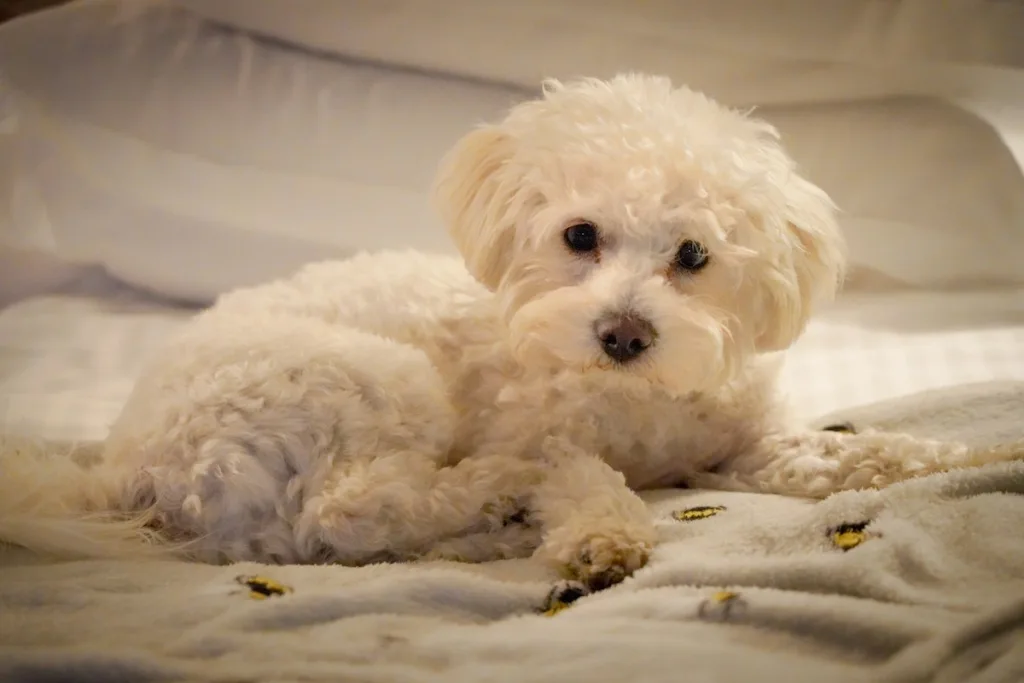
Hey there, fellow Maltese lover! If you’re reading this, you probably share my deep affection for these little white clouds of joy. Over the years with my own Maltese, Sophie, I’ve learned that their big personalities come in surprisingly delicate packages – especially when it comes to their joints. Winter, with its chilly air and cozy (but lazy) indoor days, can be a particularly tough season for those tiny knees and hips. It’s not just a “senior dog” issue either; problems can start quietly much earlier. So, let’s talk about how to keep your Maltese moving smoothly, from their playful puppy zoomies to their dignified senior years, all through the frosty months.
❄️ Why Winter is the Crucial Season: Cold weather can make joints stiffer and more painful. Pair that with less outdoor activity and dry air from heating, and you have a perfect storm for joint discomfort. For a small breed like the Maltese, proactive care isn’t just nice – it’s essential.
Why Your Maltese’s Joints Need Extra Attention
First, it helps to understand what we’re dealing with. Maltese are predisposed to certain joint issues. The most common is luxating patella – a fancy term for a kneecap that slips out of place. You might see your pup skip for a step or two, then seem fine. Over time, this can lead to arthritis. Hip issues and general wear-and-tear arthritis are also common, especially as they age.
Winter exacerbates everything:
- The Cold: Just like us, cold causes muscles and tissues around joints to tighten, increasing pressure and pain.
- Decreased Activity: Icy sidewalks and bitter winds mean shorter walks. Less movement leads to weaker muscles, which means less support for joints.
- Dry Indoor Heat: Our cozy furnaces dry out the air, which can subtly affect tissue elasticity and comfort.
The Step-by-Step Winter Joint Care Plan
Don’t worry – managing this is totally doable. It’s about small, consistent habits that add up to a world of difference for your pup.
Step 1: Create a Joint-Friendly Indoor Environment
Start where your dog spends most of their time. Slippery hardwood and tile floors are a nightmare for small dogs with shaky joints. They strain to keep stable, which stresses their legs.
- Solution: Invest in interlocking foam mats, area rugs with solid grip pads, or even cheap yoga mats to create “runways” between rooms. I put a path from Sophie’s bed to her water bowl and to the door. It made an immediate difference in her confidence!
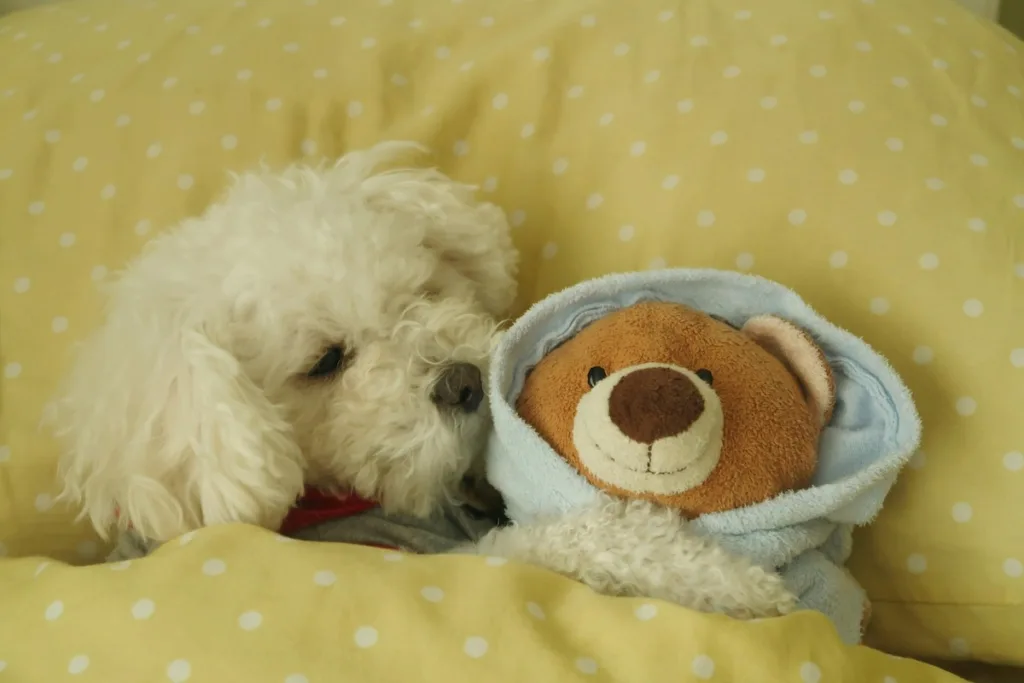
- Winter Specific: Ensure their favorite sleeping spot is in a warm, draft-free area. A supportive orthopedic bed is a game-changer – it cushions joints and retains heat better than a thin pad.
Step 2: Modify Exercise, Don’t Eliminate It
Activity is non-negotiable. It keeps muscles strong, manages weight, and lubricates joints. The key is safe, consistent, low-impact movement.
- Short, Frequent Walks: Instead of one long walk in the cold, do two or three shorter ones. Use a little doggy coat or sweater to keep their muscles warm. If it’s below freezing or icy, skip the walk altogether – it’s not worth the risk of a fall.
- Indoor Play & Training: This is your secret weapon! Five minutes of gentle fetch down a carpeted hallway, hide-and-seek with treats, or teaching new tricks (like “spin” or “weave” through your legs) keeps their mind and body active. Puzzle toys are great for mental stimulation on truly awful days.
Step 3: Nutrition and Supplements: The Internal Support System
What goes into your Maltese directly impacts their joint health.
| What to Focus On | Why It Helps in Winter |
|---|---|
| Weight Management 🐾 | Every extra ounce puts pressure on tiny joints. Winter weight gain is common due to less activity. Keep treats lean (think green beans or a bit of plain chicken). |
| Joint Supplements 💊 | Glucosamine and Chondroitin are building blocks for cartilage. Omega-3s (from fish oil) are powerful natural anti-inflammatories. Starting these early, as your vet recommends, can be protective. |
| Hydration 💧 | Dry winter air and heating can lead to mild dehydration, affecting all bodily tissues. Ensure fresh water is always available. |
Step 4: The Power of Warmth and Gentle Care
Think like a physical therapist for your pup.
- Warmth is Therapy: A warm (not hot) heating pad under a blanket in their bed, or a microwavable heat pack wrapped in a towel, can soothe achy joints after activity. Just always ensure they can move away from the heat source.
- Gentle Massage: Spend 5 minutes in the evening gently rubbing your Maltese’s legs, shoulders, and back. Use slow, circular motions. You’ll feel if muscles are tense, and most dogs absolutely love this bonding time. It increases circulation and flexibility.
✨ Pro Tip: After a quick potty break in the cold, wipe your Maltese’s paws and legs with a warm, damp cloth. This not only removes salt and ice melt chemicals but also helps gently warm up the joints and muscles.
Key Advice and When to Sound the Alarm
As an experienced owner, my biggest advice is: be observant. You know your dog’s normal “bounce.” Changes are often subtle.
Red Flags: Time to Call the Vet
While home care is vital, some signs need professional attention. Don’t wait it out if you notice:
- Persistent Limping or Favoring a Leg: More than just a one-off skip.
- Reluctance to Move: Hesitating to jump on/off furniture (use ramps!), climb stairs, or go for walks they usually enjoy.
- Vocalizing: Whining, yelping, or crying when moving or being picked up.
- Behavioral Changes: Increased irritability, licking a specific joint incessantly, or loss of appetite.
- Visible Changes: Swelling around a joint or an unusual posture.
Your vet can provide pain management options, physical therapy referrals, or discuss if interventions like Adequan injections could help. They are your partner in this.
⚠️ Important: Never give your dog human pain medication (like ibuprofen or acetaminophen) without explicit vet instruction. They can be toxic and even fatal to dogs.
Wrapping Up: A Lifetime of Happy Wiggles
Caring for your Maltese’s joints, especially in winter, is an act of love that pays off in more wiggles, more play, and more happy years together. It’s about the sum of all parts: a warm home, smart exercise, good food, and your attentive touch. Start these habits now, whether your Maltese is a spry youngster or a wise senior. You’re not just preventing problems – you’re actively building their comfort and happiness.
So, as we hunker down this winter, I’d love to hear from you: What’s one small change you’ll make this week to support your Maltese’s joint health? Maybe it’s laying down a new rug or scheduling a vet check-up. Every little step counts! 🐶💜