My Rottweiler Seems Cold in Winter – Is This Normal?
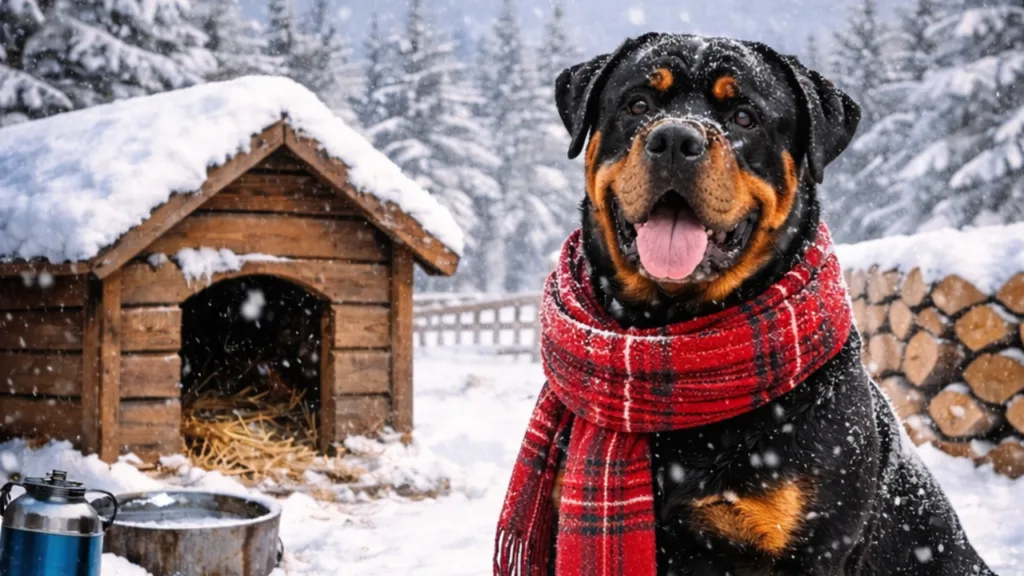
Hey there, fellow Rottie owner. If you’re noticing your big buddy shivering, curling up tight, or seeming reluctant to go outside this winter, your concern is totally valid. I’ve been there with my own Rottweiler, Duke. The first time I saw him tremble on a frosty morning, my heart sank. I thought, “Aren’t these dogs built for tough weather?”
Here’s the reassuring truth: Yes, Rottweilers can get cold. While they have a double coat that offers good protection, they are not polar bears. Winter brings a triple threat: cold temperatures, dry indoor heat, and reduced activity, which can all affect your dog. An adult Rottweiler in his prime might handle a chill better than a puppy or senior, but he’s not immune. It’s all about observing your individual dog and knowing how to help.
🛠️ Immediate Actions to Warm Up Your Chilly Rottweiler
When you see the signs—shivering, lifting paws off the cold ground, whining, or seeking constant warmth—it’s time to act. Think of it like this: you’re helping your companion recharge his natural furnace.
- Dry & Insulate: If he comes in from snow or rain, towel dry him thoroughly, paying special attention to his paws and belly. A damp coat loses all its insulating power.
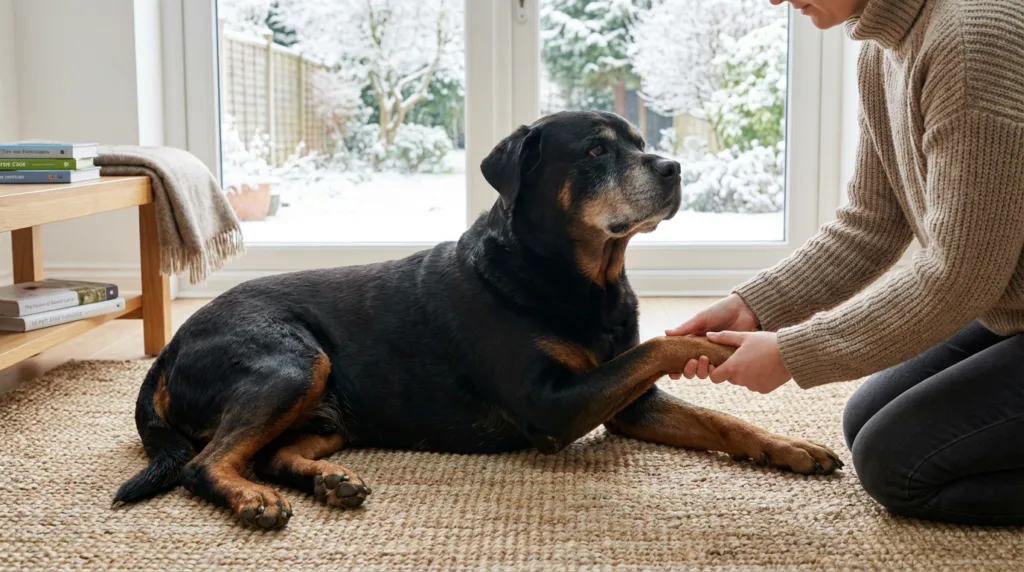
- Create a Warm Sanctuary: Move his bed away from drafty floors (tile and hardwood are ice-cold). Elevate it or use a thick, orthopedic bed with a washable blanket. My Duke loves his cave-style bed—it traps his body heat perfectly.
- Fuel the Furnace: Offer a bit of warm (not hot) food or broth. A splash of warm water in his kibble or a little plain, warm chicken broth can help raise his core temperature from the inside.
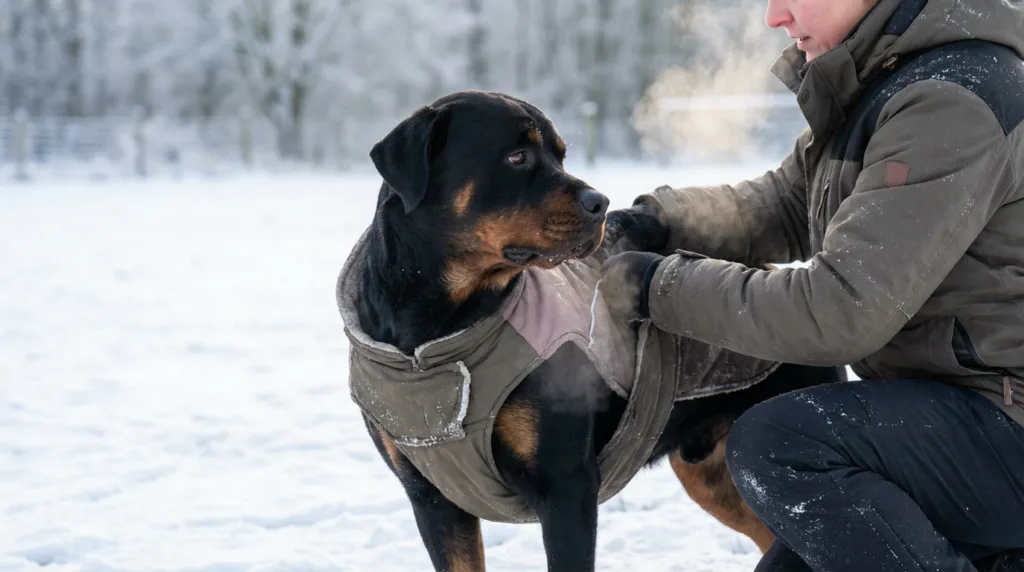
- Snuggle & Cover: Don’t underestimate the power of a cozy blanket. Many Rotties, despite their tough appearance, love to be tucked in. A dog-specific sweater or coat is not silly for short-haired breeds in bitter cold, especially for quick bathroom breaks.
Winter-Specific Adjustments for Your Rottie’s Routine
Winter isn’t just about temperature; it changes everything. Here’s how to adapt your daily life with your Rottweiler during the colder months.
🏠 Indoor Environment (The Heating Dilemma)
Our home heating keeps us cozy but can dry out your dog’s skin and coat. It also creates a huge temperature gap between inside and outside.
- Use a humidifier to combat dry air from your furnace.
- Ensure his resting spot isn’t right next to a heat vent or fireplace, which can cause overheating and then a worse chill when he moves.
- Keep the house at a consistent, moderate temperature. Wild swings are hard on him.
🚶♂️ Exercise & Outdoor Time
Rottweilers need activity, but a lethargic, cold dog won’t want to play. This becomes a cycle.
- Shift Walks: Aim for the warmest part of the day, like midday sun.
- Protect Paws: Ice, salt, and chemical de-icers are brutal. Use dog booties or apply a protective paw wax before going out, and wipe paws clean after.
- Short & Frequent: Better to have several short, positive outings than one long, miserable walk that chills him to the bone.
- Indoor Brain Games: Swap some physical exercise for mental stimulation. Training sessions, puzzle toys, and hide-and-seek with treats keep his mind sharp and body active indoors.
| Sign It’s Just a Chill | Sign You Need the Vet |
|---|---|
| Mild shivering that stops when warmed up. | Violent, uncontrollable shivering that doesn’t stop. |
| Curling up to conserve heat. | Whining, anxiety, or seeking hidden spots persistently. |
| Slight reluctance to go outside. | Limping, licking paws excessively (possible ice cut or salt burn). |
| Cold ears and paws. | Pale or gray gums, lethargy, weakness (signs of hypothermia). |
❄️ When to Call the Veterinarian
Trust your gut. You know your dog best. If your efforts aren’t helping and you see any signs from the right column of the table above, call your vet immediately. Hypothermia is a real danger. It’s always, always better to get professional advice than to wait and worry. Describe exactly what you’re seeing—how he’s acting, how he feels to the touch, and what you’ve already done.
Building Long-Term Winter Resilience
Prevention is everything. A little planning makes winter enjoyable for both of you.
- Diet Check: Discuss with your vet if your active adult Rottie needs a slight calorie adjustment in winter. They may burn more to stay warm, but if activity drops, they might not.
- Coat Care: Do not shave your Rottweiler! His double coat is his insulation. Regular brushing actually helps by removing dead undercoat and allowing better air circulation for warmth.
- Year-Round Fitness: Maintaining good muscle mass through consistent (indoor-friendly) exercise helps him generate more body heat naturally.
- Gear Up: Have a quality, water-resistant coat or sweater and paw protection ready before the first deep freeze hits.
Look, raising a Rottweiler through the winters is a journey of partnership. You’re learning his signals, and he’s relying on your care. By staying observant and making these thoughtful adjustments, you’re not just keeping him warm—you’re strengthening that incredible bond you share.
What’s the one winter hack that your Rottweiler absolutely loves? Does he have a favorite blanket or a silly indoor game that keeps him moving? 🐾