Winter is Coming: Is Your Rottweiler Really Built for the Cold?
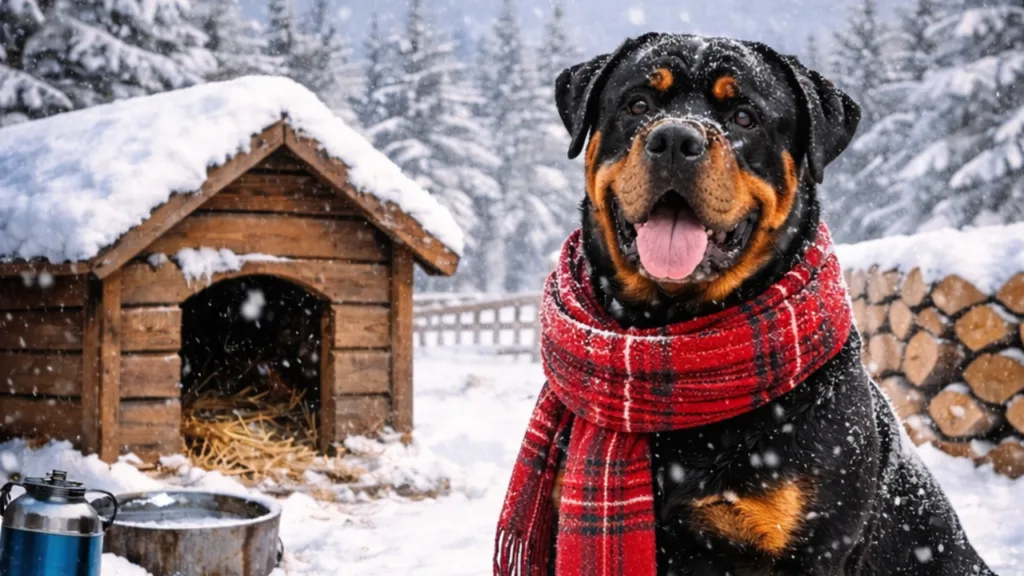
Hey there, fellow Rottie lover. If you’re like me, you’ve probably looked at your powerful, sturdy Rottweiler and thought, “This dog is a tank. A little snow and cold won’t bother him!” I used to think the same thing. But after years of winters with my boy, Max, and now with our new pup, Luna, I’ve learned that even these robust dogs have their limits when the mercury plummets. While they’re certainly more cold-tolerant than a Chihuahua, winter brings a unique set of challenges for our beloved guardians. From dry, cracked paw pads to that subtle, worrying shiver they try to hide, it’s our job to read the signs and keep them safe, warm, and happy. So, let’s grab a warm drink and talk about how to get your Rottweiler through the winter in top shape.
Why Your Tough Rottweiler Feels the Chill
It’s easy to mistake their muscular build for complete winter invincibility. But a few key things make them susceptible to the cold, especially puppies and older dogs.
The Short Coat Conundrum
That sleek, black-and-tan coat is beautiful, but it’s a single-layer coat. Unlike a Husky’s plush, double-layered fur that traps heat, a Rottweiler’s coat lies close to the body. It provides some protection, but it’s not designed for prolonged exposure to freezing temperatures. Think of it like wearing a thin sweater versus a heavy parka.
Low Body Fat & The Puppy Factor
Rottweilers are lean, muscular machines. They don’t carry a lot of body fat, which acts as natural insulation. This is especially true for Rottweiler puppies. A chiot is still growing, regulating their body temperature less efficiently, and burns through energy (and warmth) incredibly fast. A puppy playing in the snow can go from joyful to hypothermic much quicker than you’d expect.
Underlying Health & Age
Arthritis, common in larger breeds and seniors, can flare up painfully in the cold. Any health issue, from heart conditions to hormonal imbalances like hypothyroidism, can reduce their ability to generate and retain body heat. Always keep this in the back of your mind.
🩺 When to Stop Reading and Call the Vet
Before we get into solutions, know the red flags. If your Rottweiler shows any of these signs, it’s an immediate vet visit:
- Violent shivering that suddenly stops (this can signal worsening hypothermia).
- Lethargy, weakness, or appearing “drunk” and uncoordinated.
- Anxiety, whining, or searching obsessively for warmth.
- Pale or gray gums.
- Ice on the body or especially between the toes.
Better safe than sorry, always.
Your Step-by-Step Winter Wellness Plan for Your Rottweiler
This isn’t about bubble-wrapping your dog. It’s about smart, proactive care that lets you both enjoy the winter season.
Step 1: Master the Outdoor Routine
Walks and potty breaks need a winter strategy.
- Timing is Everything: Walk during the warmest part of the day, usually late morning or early afternoon. Shorten the walk length if it’s bitterly cold or windy.
- Paw Patrol is Non-Negotiable: Ice, salt, and chemical de-icers are brutal on paws. Use a protective paw wax (like Musher’s Secret) before going out. It creates a barrier. After the walk, wipe down paws and belly with a warm, damp cloth to remove all salt and chemicals—they can poison your dog if licked off.
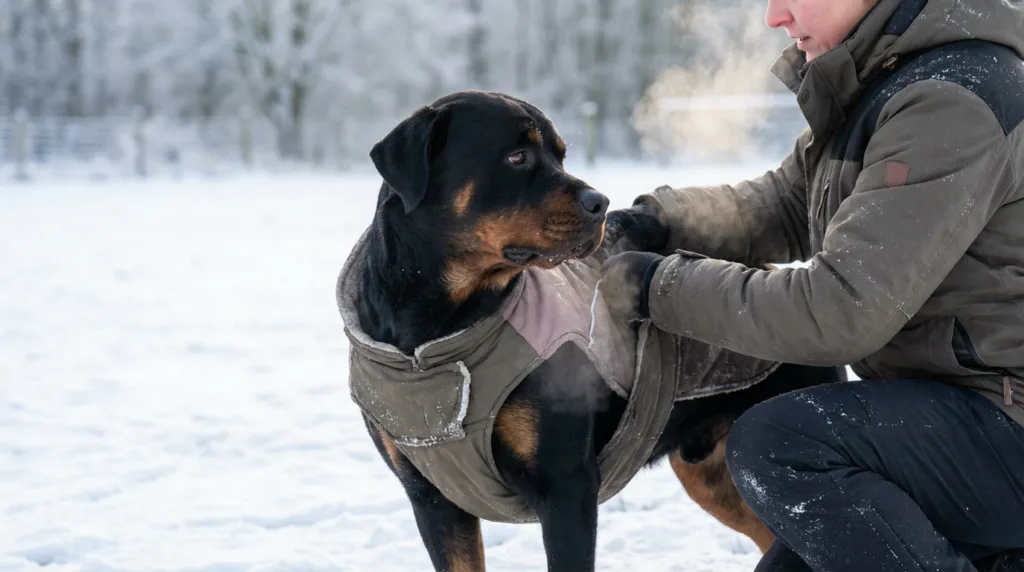
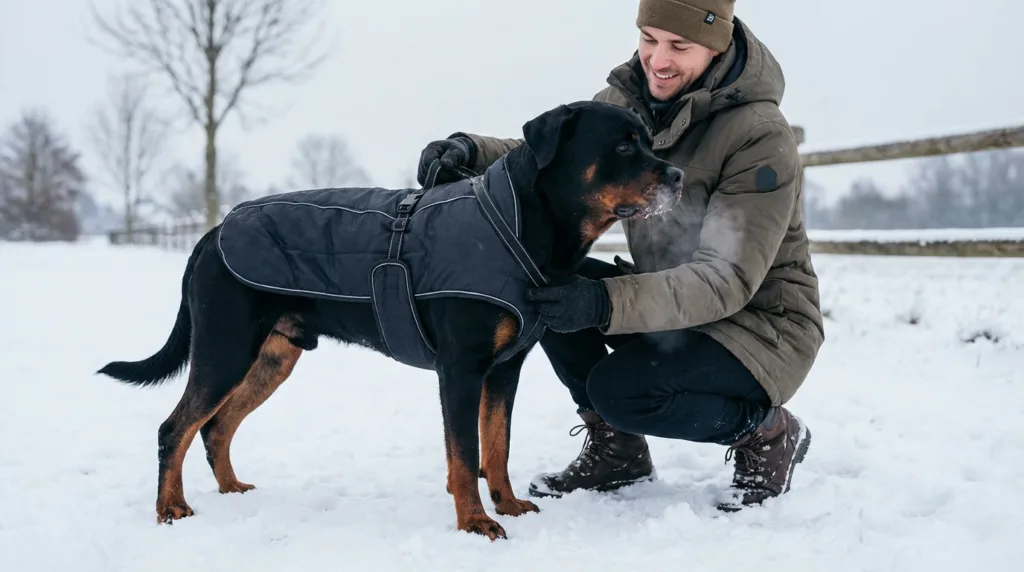
- Consider Gear: For very cold climates, or for older dogs, a well-fitting waterproof coat or sweater can help retain core body heat. For puppies, it’s almost a must. Booties are great if your dog will tolerate them; they protect from salt and ice balls between pads.
Step 2: Transform the Indoor Environment
Your home in winter can be surprisingly harsh for a dog.
- Create a Cozy, Draft-Free Zone: Move your dog’s bed away from cold floors (tile, concrete), doors, and drafty windows. Elevate it or use a thick, orthopedic bed with a warm blanket. Many Rotties love burrowing!
- Humidity is Your Friend: Indoor heating dries out the air, leading to itchy skin and cracked noses. Run a humidifier near their resting area. It’s good for you, too!
- Beware the Space Heater: Never leave a space heater unattended with a pet. They can get too close and burn themselves or knock it over. Use pet-safe heated beds designed for animals, with chew-resistant cords and auto-shutoff.
Step 3: Adapt Food, Water & Activity
Winter isn’t a time to hibernate completely, but to adapt.
| Situation | Action Plan |
|---|---|
| Outdoor Activity Drops (less walks, play) | Slightly reduce food portions to prevent weight gain. Consult your vet for the right amount. |
| Still Very Active (long hikes in snow) | They may need more calories to generate heat. High-quality protein is key. Again, talk to your vet. |
| Water Bowl Check | Ensure fresh water is always available. Heated outdoor bowls are essential if they drink outside. Indoor air is dry, so they may drink more. |
Mental Stimulation Saves the Day: On days it’s too nasty to go out, fight boredom (which leads to destruction) with:
- Food puzzle toys and slow feeders.
- Short, fun training sessions (5-10 minutes) to practice commands or learn new tricks.
- Hide-and-seek with treats or favorite toys indoors.
Step 4: Special Care for the Rottweiler Puppy (Chiot)
Your Rottweiler chiot needs extra vigilance.
- Potty Training in the Cold: They have tiny bladders and a low cold tolerance. Make trips outside super quick and positive. Praise heavily and come right back in. Consider a designated, shoveled potty spot close to the door.
- Indoor Play is King: A puppy’s exercise needs should be met almost entirely indoors through play and training during deep winter. This protects their developing joints from slippery surfaces and keeps them warm.
- Bedding is Critical: Provide a super warm, snuggly bed in a completely draft-free area. Puppies can’t regulate their temperature well and will appreciate a safe, warm cave-like space.
Pro Tips from a Seasoned Owner
A few more nuggets of wisdom I’ve picked up along the way:
- 🚗 Car Safety: Never leave your dog alone in a cold car. It becomes a refrigerator, trapping cold air and rapidly lowering their body temperature.
- 🧴 Skin & Coat Care: Bathe less frequently in winter to preserve natural oils. When you do, use a moisturizing shampoo. A quick daily brush still helps distribute those oils.
- 👀 Watch for Ice: Avoid frozen ponds or lakes. Even a strong swimmer like a Rottweiler can struggle with hypothermia if they fall through ice.
- ❤️ Extra Snuggles: Honestly, your warmth and companionship are the best comfort. A little extra couch time together is good for both of your souls in winter.
Wrapping Up (Pun Intended!)
Winter with a Rottweiler is absolutely manageable—and can be downright joyful—with a little foresight and adaptation. It boils down to respecting their limits, protecting them from winter’s harsh elements, and finding creative ways to keep their bodies and minds active indoors. Remember, you know your dog best. Pay attention to their individual signals. Is Max standing by the door eager for his snowy walk, or is Luna lifting her paws off the cold ground after two minutes? Let them guide you.
By following these steps, you’re not just preventing discomfort; you’re ensuring your loyal companion stays healthy, happy, and by your side for many winters to come. Now, I’d love to hear from you!
What’s your Rottweiler’s favorite winter activity, and what’s your #1 tip for keeping them cozy during the cold months?