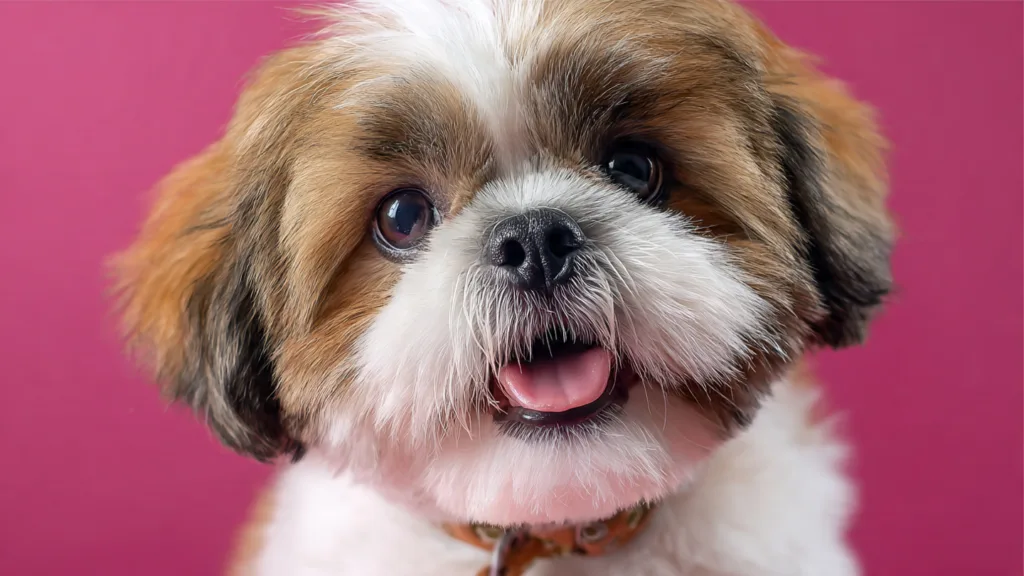

Winter is beautiful. For your Shih Tzu, it can also be genuinely dangerous.
Unlike many breeds, the Shih Tzu is not built for the cold. Despite their thick, flowing coat, these small dogs lose body heat rapidly, struggle with icy pavements, and are prone to joint stiffness the moment temperatures drop. Whether you’re a new Shih Tzu owner or a seasoned one, winter requires a proactive, structured approach, not just an extra blanket.
This guide covers everything: prevention, daily routines, emergency response, joint care, and special considerations for puppies and seniors. Think of it as your complete winter headquarters.
Is your Shih Tzu already shivering right now? Don’t wait, read this emergency warming guide first, then come back here.
- Why Shih Tzus Are So Sensitive to Cold
- Signs Your Shih Tzu Is Cold (or Too Cold)
- What to Do If Your Shih Tzu Is Cold (Quick Action Guide)
- Essential Winter Protection: Your Daily Prevention Plan
- Creating a Warm & Safe Home Environment
- Winter Joint Care: The Issue Most Owners Overlook
- Adjusting Routine in Winter
- Special Care for Puppies & Senior Shih Tzus
- When to Call the Vet
- Complete Winter Checklist
- Conclusion
Why Shih Tzus Are So Sensitive to Cold
Many owners are caught off guard. “But they have so much fur!” Yes, and it doesn’t matter as much as you’d think.
Morphology works against them. Shih Tzus are small, low to the ground, and have a high surface-area-to-body-mass ratio. This means they radiate heat much faster than larger breeds. Their belly is only centimeters from cold pavement, and their short legs offer no insulation buffer.
Their coat is deceptive. A Shih Tzu’s double coat was designed for the temperate climate of ancient Chinese palaces, not for icy sidewalks or sub-zero wind chill. It provides some insulation, but it gets wet quickly, and a wet Shih Tzu in the cold is a genuinely vulnerable animal.
Puppies and seniors are in a category of their own. Young puppies haven’t yet developed effective thermoregulation. Senior dogs, on the other hand, often deal with reduced circulation, lower muscle mass, and arthritis, all of which are dramatically worsened by cold weather.
For a deeper breakdown of your dog’s cold sensitivity, read: Shih Tzu Cold Weather Guide: Essential Methods to Keep Your Pup Warm & Safe
Signs Your Shih Tzu Is Cold (or Too Cold)
Knowing the difference between “a bit chilly” and “this is an emergency” can save your dog’s life.
Mild signs, act now, but don’t panic:
- Shivering or trembling
- Seeking out warm spots (pressing against radiators, burrowing under blankets)
- Reluctance to go outside or lifting paws off cold ground
- Hunched posture during walks
Serious signs, this is urgent:
- Lethargy or unusual weakness
- Slow, shallow breathing
- Pale or bluish gums
- Confusion or lack of coordination
- Muscle stiffness that prevents normal movement
If you’re seeing any of the serious signs, stop reading and act. The mild signs mean your dog is uncomfortable and needs warming. The serious signs mean potential hypothermia.
What to do immediately: How to Help a Cold Shih Tzu: Practical Solutions for a Cozy Pup
What to Do If Your Shih Tzu Is Cold (Quick Action Guide)
If your dog has come in from the cold and is shivering or lethargic, follow these steps immediately:
Step 1 : Bring them inside and away from drafts. Remove any wet clothing, harness, or collar. Wet fabric accelerates heat loss.
Step 2 : Warm gradually, never rapidly. Wrap them in a dry towel or blanket. Place a warm (not hot) water bottle wrapped in a cloth near — not against, their body. Avoid hair dryers or heating pads directly on skin.
Step 3 : Check extremities. Gently feel their paws, ears, and tail. Pale, cold, or hard skin can indicate frostbite. Do not rub — this can damage tissue. Warm slowly with your hands or a lukewarm cloth.
Step 4 : Monitor closely for 30–60 minutes. If shivering stops and your dog returns to normal behavior, the situation was manageable. If it doesn’t improve, call your vet.
For the complete protocol including vet alert thresholds: Cold Shih Tzu Emergency: Your Step-by-Step Warming Guide and Vet Alerts
Essential Winter Protection: Your Daily Prevention Plan
The best emergency is the one that never happens. Here’s how to build a daily winter protection routine.
Clothing: Not Optional for a Shih Tzu
A well-fitted sweater or coat is not a fashion accessory, it’s functional equipment. Look for coverage that extends from the neck to the base of the tail, with a belly panel. Avoid anything too tight around the chest or that restricts natural movement.
For very cold days or extended time outdoors, a waterproof outer layer over the sweater adds meaningful protection.
Paw Protection
Paws are your Shih Tzu’s most direct point of contact with cold, wet, and chemically treated surfaces. Rock salt and ice melt products are particularly dangerous, they cause chemical burns and are toxic if licked.
Options: dog boots (takes patience to train, but highly effective), or paw balm applied before and after walks. Always wipe paws thoroughly when returning indoors.
Outdoor Time Management
There’s no universal rule for how long is “too long” in the cold, it depends on temperature, wind, your dog’s age, and their health. A practical guideline: if you’re uncomfortable in a light jacket, your Shih Tzu is already cold.
Keep walks short and purposeful in winter. Multiple short outings are better than one long exposure.
Full seasonal checklist with all 7 protective measures: Shih Tzu Winter Care Guide: 7 Essential Tips to Keep Your Pup Warm and Safe
Creating a Warm & Safe Home Environment
Outdoor exposure is only half the equation. What happens inside matters just as much.
Temperature. The ideal indoor temperature for a Shih Tzu in winter is between 20°C and 22°C (68–72°F). Below 18°C (64°F), small dogs begin to struggle, especially at night when heating is often reduced.
Bedding. Your dog’s sleeping area should be off the floor (cold air pools low), away from drafts and exterior walls, and lined with self-warming or orthopedic material. Raised beds with memory foam inserts are particularly good for older dogs.
Air quality. Central heating dries the air significantly. Dry air irritates respiratory tracts and dries out skin and paw pads. A humidifier near your dog’s resting area makes a measurable difference, particularly for brachycephalic breeds like the Shih Tzu whose flat face already makes breathing less efficient.
For joint-specific home environment tips: Winter Joint Care for Your Shih Tzu: A Step-by-Step Guide to Ease Stiffness
Winter Joint Care: The Issue Most Owners Overlook
This section deserves serious attention. Joint problems in winter are common, often underestimated, and directly impact your dog’s quality of life.
Why cold affects joints. Cold temperatures cause muscles to contract and joint fluid to thicken. This makes movement stiffer, more painful, and more energy-consuming, particularly for dogs who already have early-stage arthritis (which many Shih Tzus develop with age). You may notice your dog is slower to get up in the morning, reluctant to climb stairs, or hesitant to jump onto furniture they normally handle easily.
Quick relief solutions:
- Increase warmth at the sleeping area specifically
- Gentle massage of limbs before activity
- Shorter but more frequent walks (keeps joints moving without overloading them)
- Warm compresses on visibly stiff areas
Long-term prevention:
- Omega-3 supplementation (fish oil) has solid evidence behind it for joint inflammation
- Controlled weight management, every extra gram adds load to already stressed joints
- Regular, gentle movement, full inactivity in winter is the worst thing for arthritic joints
Fast, practical relief: Quick Joint Relief for Your Shih Tzu: Winter Stiffness Solutions That Work
Complete structured plan: Winter Joint Care for Your Shih Tzu: A Step-by-Step Guide to Ease Stiffness
Adjusting Routine in Winter
Winter isn’t just about protection, it’s about adaptation.
Physical activity. Don’t eliminate exercise; modify it. Indoor play sessions, sniff games, and short supervised outdoor bursts replace long walks. Muscle maintenance matters, a dog that stops moving in winter loses condition quickly and becomes more vulnerable.
Diet. If your dog is significantly less active in winter, monitor caloric intake. Weight gain is common in winter and directly worsens joint strain and cold sensitivity. Conversely, dogs spending time outdoors in the cold may need slightly more calories to maintain body temperature, context matters here.
Mental stimulation. Reduced outdoor time means reduced environmental stimulation. Puzzle feeders, training sessions, and nose work games are not luxury additions in winter, they’re necessary to prevent boredom-related behavioral issues and maintain cognitive health, especially in seniors.
Special Care for Puppies & Senior Shih Tzus
Puppies
A Shih Tzu puppy under 6 months is genuinely fragile in cold weather. Their thermoregulation is immature, their body mass is minimal, and they have no behavioral wisdom yet, they won’t necessarily signal that they’re cold before it becomes a problem.
Rules: shorter outdoor exposure than adults, always clothed in cold conditions, monitored closely for shivering, and never left in a cold room overnight.
Senior Dogs
A senior Shih Tzu (generally 8+ years) combines several risk factors simultaneously: reduced circulation, likely some degree of joint degeneration, potentially reduced organ function, and lower muscle mass. Cold doesn’t just make them uncomfortable, it can trigger or accelerate health crises.
Increase veterinary check-up frequency in winter. Pay attention to behavioral changes that seem “normal for winter”, slowing down, sleeping more, eating less, as these can mask underlying deterioration.
When to Call the Vet
Don’t second-guess yourself on this. Call your vet if you observe:
- Shivering that doesn’t stop after 30 minutes of warming
- Lethargy lasting more than a few hours
- Loss of appetite extending beyond 24 hours
- Pale, blue, or white gums at any point
- Limping, stiffness, or pain that appears suddenly or worsens rapidly
- Any sign of frostbite (pale, hard, or blistered skin on extremities)
- Breathing that is unusually slow, shallow, or labored
- Confusion, loss of coordination, or unresponsiveness
When in doubt, call. A 3-minute phone conversation with your vet is always preferable to waiting too long.
Complete Winter Checklist
Use this before every walk and as a weekly audit of your setup:
Before going outside:
- ✔ Sweater or coat fitted and dry
- ✔ Paw balm applied or boots on
- ✔ Walk duration adjusted to temperature
- ✔ Route checked for salt/ice melt hazards
At home:
- ✔ Indoor temperature above 20°C
- ✔ Bed off the floor, away from drafts
- ✔ Humidifier running near resting area
- ✔ Joint supplements given (if applicable)
Daily monitoring:
- ✔ Behavior and energy level normal
- ✔ Appetite stable
- ✔ No new limping or stiffness
- ✔ Paws checked and clean after outings
For a complete printable version: Is the Shih Tzu Right for Me? Your Honest Checklist
Conclusion
Winter with a Shih Tzu is entirely manageable, but it requires intentionality. These dogs are not built for the cold, and relying on their coat or their resilience is a mistake.
The framework is simple: protect them outdoors, optimize their environment indoors, maintain gentle movement, watch their joints, and know when to escalate to a vet. None of this is complicated, but all of it requires consistency.
Your Shih Tzu doesn’t need a heated mansion. They need an attentive owner who understands their limits and plans accordingly. That’s exactly what this guide has given you the foundation to be.
Stay warm, both of you.