My Shih Tzu Seems Stiff in Winter. Is This Normal?
Hey there, fellow Shih Tzu parent 👋. If you’ve noticed your little lion dog moving a bit slower, hesitating before jumping, or seeming stiff when they get up from a nap this winter, your heart probably sinks a little. I’ve been there with my own senior boy, Milo. Let me start by saying: take a deep breath. You’re not alone, and this is a very common concern. Just like us, our furry friends can feel the effects of colder weather, especially in their joints. The combination of chilly air, dry heat indoors, and less activity can really highlight any underlying joint sensitivity. The good news? There’s a lot we can do at home to help them feel more comfortable and bounce back into their playful selves.
🛋️ Why Winter is Tough on Shih Tzu Joints
Think about it: Cold air can make muscles and tissues around joints tighten up. Then, we crank up the heat inside, which dries the air and can lead to mild dehydration—not great for joint lubrication. Add in shorter, less frequent walks because it’s dark and cold, and you have a recipe for stiffness. For a small breed like the Shih Tzu, who might already have some genetic predisposition to patellar luxation or just general wear-and-tear, winter acts like a magnifying glass on the issue.
Your Action Plan for Cozy, Happy Joints
Don’t worry, we’re not just going to talk about the problem. Here are the practical, tried-and-true steps I’ve used with Milo to make winter his coziest season yet.
1. Create a Warm & Supportive Home Environment
This is your first line of defense. Your goal is to combat the cold and hard surfaces.
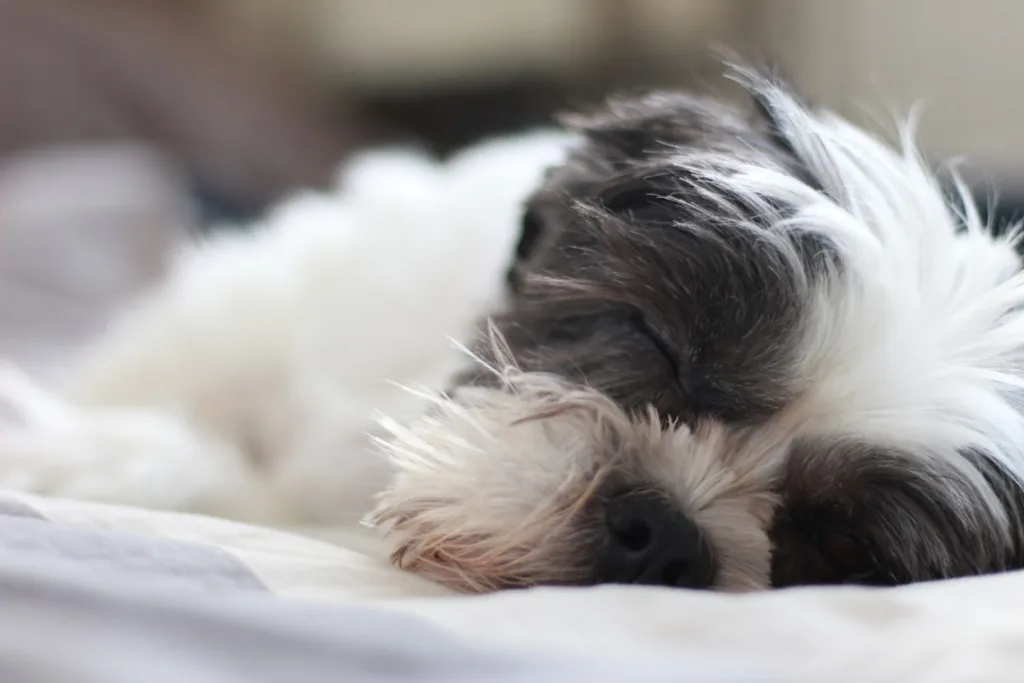
- Orthopedic Beds are a Must: Ditch the thin mats. Invest in a thick, orthopedic foam bed that supports their joints and insulates them from the cold floor. Place it in their favorite spot, away from drafts.
- Ramp Life: If your Shih Tzu sleeps on your bed or loves the couch, a sturdy pet ramp is a game-changer. It prevents the painful impact of jumping down, which stresses wrists, shoulders, and knees.
- Humidify: Running a humidifier in the main living area adds moisture back into the dry, heated air. This helps keep their whole system, including joint tissues, better hydrated.
2. Adapt Exercise & Activity
We can’t just stop moving! Consistent, gentle movement is key to preventing stiffness.
- Shorter, More Frequent Walks: Instead of one long walk in the cold, try two or three shorter ones. This keeps joints lubricated without overdoing it.
- Indoor Play & Brain Games: On brutal days, replace the walk with indoor fun. A gentle game of “find the treat” (sniffing is great mental exercise!) or rolling a ball softly on a carpeted floor keeps them engaged. Consider a short, slow-paced walk down a hallway on a non-slip rug or yoga mat for traction.
- The Pre-Walk Warm-Up: Before heading out, spend a minute gently massaging their legs and shoulders. A quick warm-up can make a world of difference.
3. Nutrition & Supplements: The Internal Support
What you put in their bowl can directly impact how they feel.
| What to Consider | How It Helps |
|---|---|
| Joint Supplement (Glucosamine/Chondroitin/MSM) | These are the building blocks for cartilage and joint fluid. Think of them as daily maintenance for those little knees and hips. I sprinkle a powder form on Milo’s food. |
| Omega-3 Fatty Acids | Found in fish oil, these are powerful natural anti-inflammatories. They help reduce the internal “weather report” stiffness. A little goes a long way for a Shih Tzu! |
| Maintaining a Healthy Weight | This is crucial. Every extra pound puts more stress on small joints. Winter is a prime time for weight creep, so keep an eye on their figure. |
When to Stop DIY and Call the Vet
While home care is powerful, you are your dog’s best advocate. Please call your veterinarian if you notice any of the following:
- Persistent Limping or Favoring One Leg: This isn’t just general stiffness; it indicates pain in a specific area.
- Whining, Yelping, or Behavioral Changes: If your normally sweet dog becomes grumpy, hides, or cries when touched.
- Difficulty Standing Up or Sitting Down: Struggling to assume basic positions.
- Loss of Appetite or Lethargy: Not wanting to move is one thing, but not wanting to eat is a bigger red flag.
A vet can provide a proper diagnosis, rule out other issues, and may recommend prescription pain relief, laser therapy, or other treatments that go beyond what we can do at home. Never give human medication to your dog.
Building Habits for Long-Term Joint Health
Prevention is always better than intervention. Making these tips part of your year-round routine will set your Shih Tzu up for success.
- Keep the Weight Off: Year-round weight management is the single best thing you can do for their joints.
- Stay Consistent with Supplements: They work best when given regularly, not just when stiffness appears.
- Year-Round Traction: Use rugs and runners on slippery hardwood or tile to prevent slips and strains any time of year.
- Regular, Gentle Exercise: A consistent routine keeps muscles strong to support those joints.
Seeing your Shih Tzu struggle with stiffness is hard. But with a little extra warmth, some smart routine adjustments, and lots of love, you can make a tremendous difference in their comfort. Winter doesn’t have to be a season of aches for your little companion.
What’s the first cozy change you’ll make for your Shih Tzu this week—a new bed, a humidifier, or maybe a fun new indoor game? 🐾