
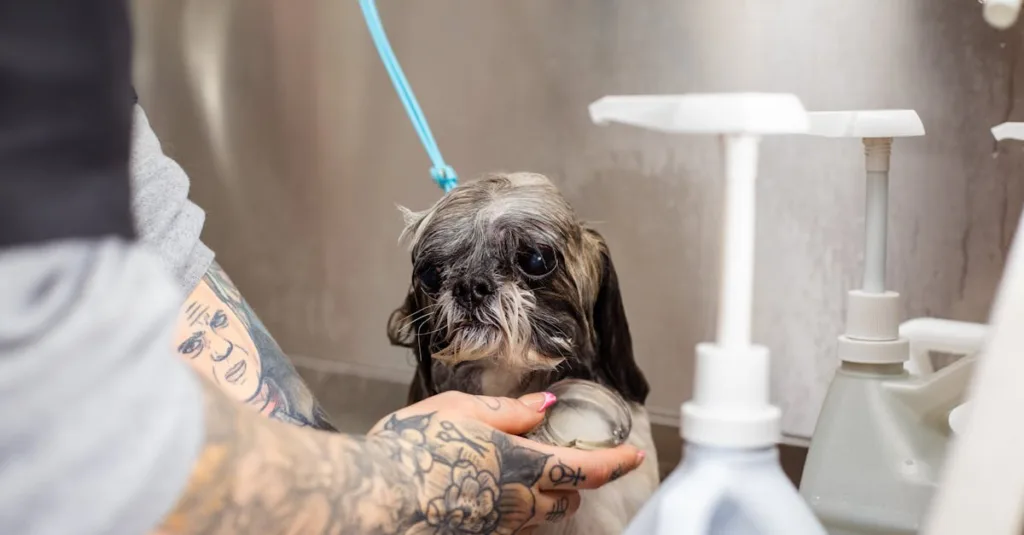
Keeping Your Shih Tzu’s Joints Happy and Healthy This Winter
Hey there, fellow Shih Tzu lover! 👋 If you’re like me, you’ve spent years sharing your home with these little lion-hearted companions. Their playful strut and joyful hops are a huge part of their charm. But as our furry friends get older, or even when the temperature drops, we might notice a slight change in their step—a bit of stiffness, a reluctance to jump on the couch, or a slower start in the morning. Winter, with its cold snaps and cozy (but sometimes too sedentary) days indoors, can be particularly tough on those tiny joints. Having navigated this with my own senior Shih Tzu, Benny, I want to share a practical, step-by-step guide to help your adult Shih Tzu stay agile, comfortable, and full of spirit all season long.
Think of your Shih Tzu’s joints like the hinges on a well-loved door. In the warmth, they swing open easily. But in the cold and damp of winter, those hinges can get stiff, creaky, and need a little extra care to work smoothly. That’s exactly what we’re going to tackle.
Why Winter is Tough on Your Shih Tzu’s Joints
First, it helps to understand what’s happening. It’s not just in their heads (or paws)! There are real reasons your pup might seem achier when the frost hits.
The Cold Factor ❄️
Cold weather causes muscles and tissues around the joints to tighten up, which can increase pressure and discomfort. It can also reduce blood flow to the extremities, making stiffness more pronounced. Imagine how your own hands might feel stiff on a cold morning—it’s similar for them.
Decreased Activity & Weight Gain
This is a big one. I know our walks get shorter when it’s freezing out, and playtime might move from the backyard to the living room rug. This drop in activity leads to weaker supporting muscles and, if we’re not careful with treats, a few extra pounds. Every single extra pound puts significantly more stress on a small dog’s frame.
Dry, Heated Air
While we’re blasting the heat to stay cozy, the indoor air becomes very dry. This can lead to mild dehydration, which isn’t great for the cartilage that cushions their joints. Cartilage needs hydration to stay spongy and effective.
Your Step-by-Step Winter Joint Care Plan
Don’t worry, you don’t need to become a canine physiotherapist overnight. Small, consistent changes make a world of difference. Here’s a plan you can start today.
Step 1: Master the Indoor Environment
Your home is their winter haven, so let’s make it joint-friendly.
- Warm, Cushioned Bedding: Get them a supportive orthopedic bed, and place it away from cold drafts and off the floor. I placed Benny’s bed near (not right on top of) a heating vent for gentle warmth.
- Slip-Proof Flooring: Hardwood and tile are ice rinks for little paws! Use low-pile rugs, yoga mats, or non-slip socks to give them secure footing and prevent painful slips that can strain joints.
- Ramp Life: This was a game-changer for us. Stop the jumping! A sturdy ramp or steps to their favorite couch or your bed prevents huge impact on their knees and spine.
Step 2: Adapt Exercise & Play
Activity is still crucial—it just needs to be smarter.
- Shorter, More Frequent Walks: Instead of one long, cold walk, try two or three shorter ones. This keeps muscles warm and joints mobile without overdoing it.
- Invest in a Good Coat: A warm sweater or coat isn’t just fashion; it helps maintain core body temperature and keeps muscles from stiffening up. Look for one that covers their back and belly.
- Indoor Brain & Body Games: On brutal days, replace physical exertion with mental stimulation. Hide treats in a snuffle mat, practice gentle “tricks” like “paw” or “spin,” or do a slow, obstacle-free “treasure hunt” around the house. It keeps them moving gently and engages their mind.
Step 3: Nutrition & Supplement Support
What goes into your Shih Tzu is foundational for joint health.
| What to Focus On | Why It Helps & Examples |
|---|---|
| Weight Management | This is the #1 most important thing you can do. Use a measuring cup for food, limit high-calorie treats, and opt for low-calorie veggies like green beans or carrots as snacks. |
| Joint Supplements | Glucosamine, Chondroitin, and MSM are building blocks for cartilage. Omega-3s (from fish oil) are powerful natural anti-inflammatories. I add a fish oil pump to Benny’s dinner. Always chat with your vet before starting any new supplement. |
| Hydration | Combat dry winter air by ensuring fresh water is always available. You can add a splash of low-sodium chicken broth to encourage drinking. |
Step 4: Incorporate Gentle Therapies
These simple practices can provide daily relief.
- Warm Compresses: Apply a warm (not hot), damp towel to stiff hips or shoulders for 5-10 minutes. Benny would fall asleep during this—he loved it!
- Gentle Massage: Learn a simple, gentle massage technique. Using your fingertips, make small circles over their shoulders, back, and hips. It increases blood flow and relaxes tight muscles. Watch their body language—if they lean into it or sigh, you’re doing it right.
Pro Tips & When to See the Vet
🩺 The Vet is Your Partner: Schedule a winter check-up specifically to discuss joint health. They can assess your dog’s weight, range of motion, and pain levels, and may recommend prescription treatments or therapies like laser treatment or acupuncture, which can be incredibly effective.
Red Flags That Need a Vet Visit:
- Limping or favoring one leg consistently.
- Yelping or whining when touched in a specific area.
- Significant reluctance to move, climb stairs, or jump.
- Swelling or heat around a joint.
- Any sudden change in behavior or appetite.
Don’t adopt a “wait and see” approach with pain. Early intervention is key to managing comfort and mobility long-term.
Wrapping Up: A Cozy, Comfortable Season Ahead
Caring for your Shih Tzu’s joints in winter is all about proactive, loving adjustments. It’s the warm bed, the thoughtful walk, the extra moment of massage, and the careful watch over their diet. These acts of care strengthen the incredible bond you share and ensure your little companion enjoys every season to the fullest.
By creating a warm, safe environment, keeping them moving smartly, supporting their body with good nutrition, and partnering with your vet, you’re not just managing stiffness—you’re actively promoting a joyful, active life for your furry best friend.
Now, I’d love to hear from you! What’s one small change you’ve made this winter that seems to make your Shih Tzu more comfortable? Sharing our experiences is how we all become better pet parents. 🐾