My Spitz Seems Cold! What Should I Do?
Hey there! If you’re noticing your fluffy friend shivering, curling up tight, or seeming a bit more reluctant to go outside, you’re in the right place. First things first, take a deep breath. It’s completely normal to worry, and the fact that you’re looking for answers shows you’re a great pet parent. While Spitz breeds, with their gorgeous double coats, are built for cooler climates, they’re not invincible to winter’s bite—especially puppies, seniors, or during extreme cold snaps. The good news? There’s a lot we can do to keep them cozy, safe, and happy all season long.
🐾 Quick Reassurance: Your Spitz has a natural advantage! That plush double coat is amazing insulation. Our job is to support that natural system and watch for signs it’s being overwhelmed.
Immediate Actions to Warm Up Your Chilly Spitz
When you see signs of cold—like shivering, whining, lifting paws off the ground, or seeking hidden spots in the house—act quickly. Here’s your game plan:
- Bring Them Inside: This is step one. Even if they usually enjoy the yard, prolonged exposure in freezing temps is risky.
- Dry Them Off Thoroughly: If their fur is damp from snow or rain, towel-dry them immediately. Moisture is the enemy of insulation.
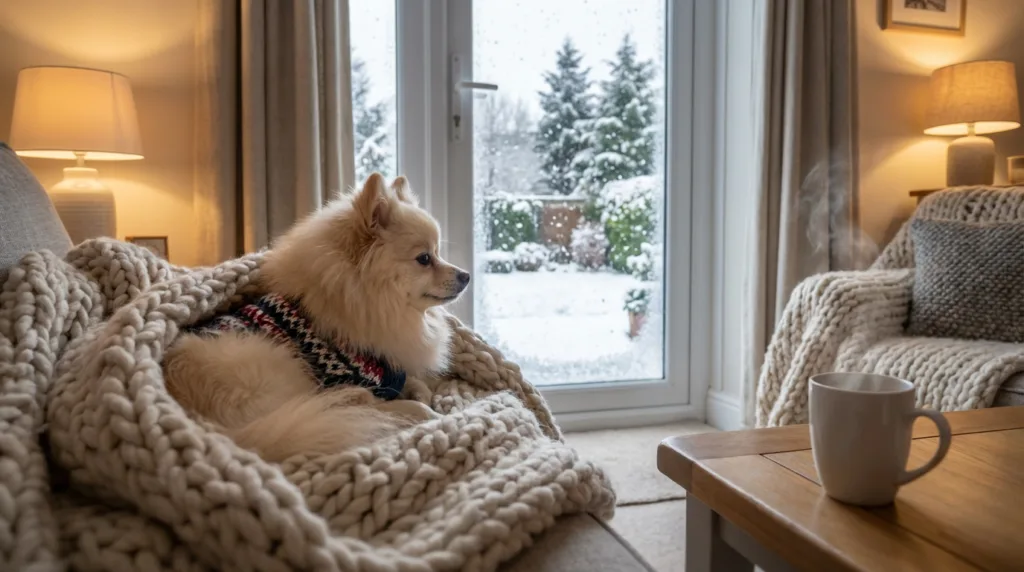
- Create a Cozy Den: Set up a warm bed in a draft-free area. Use extra blankets or a self-warming pet pad. My old Spitz, Koda, adored a simple bed placed in a corner away from our sliding glass door.
- Offer Warmth (Carefully): You can use a heating pad on a low setting placed under half their bed, so they can move away if too warm. Always cover it with a thick blanket to prevent direct contact. A microwavable heat pack wrapped in a towel works too for a short-term snuggle.
- Check Those Paws: Ice balls can form between their toe pads. Gently wipe their paws with a warm cloth to remove ice, salt, or chemical de-icers, which can be toxic if licked.
Winter-Ready Your Spitz: Beyond the Basics
Thinking ahead makes all the difference. Here’s how to adapt your routine for the colder months:
Gear Up for Outdoor Adventures
Yes, even for a fluffy dog! For Spitz puppies whose coats aren’t fully developed, or for any dog during a polar vortex, clothing is a smart choice.
- Sweaters & Coats: Opt for one that covers from neck to tail base and has a water-resistant layer if it’s snowy. It doesn’t have to be fancy—functional is key.
- Paw Protection: Dog boots are fantastic for protecting against salt and ice. If your dog hates them (many do!), a protective wax balm applied before walks creates a barrier, and a rinse after walks is essential.
Adjust the Indoor Environment
Our heated homes can create their own challenges.
- Draft Patrol: Feel for drafts near windows or doors where your dog sleeps. A simple bed relocation can help.
- Humidity Matters: Indoor heating dries the air, which can irritate your dog’s skin and nose. A humidifier can help both of you!
- Bedding Strategy: Provide multiple sleeping options, a plush bed in a warm room and a cooler spot like a tile floor if they get too toasty.
Adapt Food & Activity
Winter often means less activity, which needs a dietary tweak to avoid weight gain. However, if your dog is spending significant time outdoors in the cold (like on a farm or long hikes), they may actually burn more calories to stay warm. Consult your vet, but generally:
| Scenario | Diet & Activity Approach |
|---|---|
| Most Pet Spitz (Less outdoor play, shorter walks) | Monitor weight closely. You might need to slightly reduce food portions. Keep their mind active with indoor training, puzzle toys, or hide-and-seek games. |
| Active/Outdoor Spitz (Long winter hikes, frequent outdoor time) | They may need a slight increase in calories. Discuss high-quality options with your vet. Always ensure access to unfrozen water. |
When a Shiver Becomes a Concern: Time to Call the Vet
Most chills are solved with a towel and a cuddle. But know these red flags. Contact your veterinarian promptly if you notice:
- Persistent shivering that doesn’t stop once they’re dry and inside.
- Signs of lethargy, weakness, or disorientation.
- Any whining or anxiety that seems out of character.
- Pale or grayish gums.
- Signs of pain in the paws (like constant licking) or visible cracks/bleeding.
- Symptoms of a respiratory issue (coughing, labored breathing).
For Spitz puppies: Be extra vigilant. They have less fat and a less mature coat, making them prone to hypothermia much faster than adults.
Prevention is the Best Warm Blanket
Let’s wrap this up with habits that keep the cold at bay:
- Shorter, More Frequent Walks: Better to do three 10-minute walks than one long, chilly one.
- Paw Care Ritual: Make post-walk paw checks and wipes a non-negotiable habit.
- Grooming is Crucial: Never shave your Spitz in winter! However, regular brushing is vital to prevent matting, which flattens the coat and ruins its insulating ability.
- Car Safety: Never leave them alone in a cold car. It becomes a refrigerator.
- Know Your Dog: Some Spitz will romp in the snow for hours, others hate a flake on their nose. Respect their individual tolerance.
Winter with a Spitz can be a magical time of snowy play and cozy nights. By staying observant, making a few smart adjustments, and erring on the side of caution, you’ll both enjoy the season to the fullest.
What’s your Spitz’s favorite winter activity? Do they prance through the snowdrifts or prefer to watch the snowfall from a warm lap?