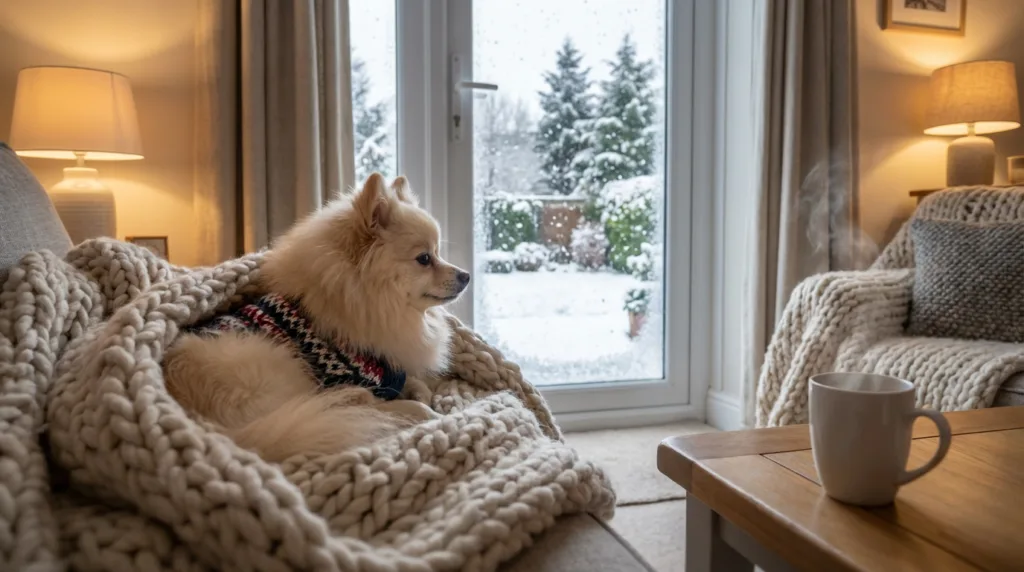
Introduction: When Your Spitz Slows Down in Winter ❄️
Hey there, fellow Spitz lover. If you’re reading this, you’ve probably noticed a change in your fluffy friend as the temperature drops. Maybe that energetic bounce in their step has become a little more hesitant, or perhaps they’re taking a bit longer to get up after a nap. I’ve been there with my own Spitz, Loki, and I know how worrying it can be. Winter can be tough on our active, playful companions, especially on their joints. But don’t worry, it’s a challenge we can tackle together. This guide is all about understanding why winter is hard on Spitz joints and, more importantly, the practical, step-by-step things we can do to help them stay comfortable and mobile all season long.
Why Winter is Tough on Your Spitz’s Joints
Before we jump into the solutions, let’s quickly understand the “why.” It helps us be more empathetic to what our pups are going through. It’s not just one thing, but a combination of factors that hit all at once.
The Cold, Hard Truth About Cold Weather
Just like us, cold weather can make a Spitz’s muscles and joints stiffer. The cold can cause blood vessels to constrict, reducing blood flow to the limbs and making joints feel less supple. This is especially true for a breed that’s often bursting with energy—the contrast between their inner fire and the external chill is real!
The Sneaky Impact of Indoor Heating 🔥
This one is a double-edged sword. We crank up the heat to stay cozy, but this creates a very dry indoor environment. This lack of humidity can dehydrate the cartilage in your dog’s joints, the very cushioning that allows for smooth, pain-free movement. So, while they’re warm, their joints might be drying out.
The “Couch Potato” Effect
Let’s be honest, when it’s cold and gloomy outside, our walks get shorter, and playtime might move to the couch. This decrease in activity is a major culprit. Regular movement is what keeps joint fluid circulating and muscles strong to support those joints. Less activity means weaker support and more stiffness.
Your Action Plan: Step-by-Step Joint Support for Winter
Okay, now for the good stuff. Here is a clear, manageable plan to help your Spitz navigate the winter months with happy, healthy joints.
Step 1: Rethink Their Exercise Routine
We can’t just let them be couch potatoes, but we also can’t expect the same level of outdoor activity. The key is consistency over intensity.
- Shorter, More Frequent Walks: Instead of one long, cold walk, try two or three shorter ones. This keeps the joints moving without overdoing it in the harsh elements.
- Indoor Play & Brain Games: This is a lifesaver! A short game of hide-and-seek with their favorite toy, practicing “sit” and “stay” for treats, or a food puzzle toy gets them moving and thinking without the cold. My Loki loves when I hide little piles of his kibble around the living room for him to find.
- Always Warm-Up: Before heading out, do a little gentle stretching or a few minutes of calm indoor play to get the blood flowing.
Step 2: Create a Cozy & Supportive Home Environment
Your home should be their sanctuary from the cold.
- Orthopedic Bed: This is a non-negotiable for joint health. A high-quality, supportive orthopedic bed cushions their joints and provides relief from hard floors. Place it in a warm, draft-free spot.
- Combat Dryness: If your heating makes the air very dry, consider a small humidifier. It helps keep everyone’s—including your Spitz’s—skin, coat, and joint cartilage more hydrated.
- Non-Slip Surfaces: Throw rugs or yoga mats on hardwood or tile floors. Slipping is a real risk and can cause serious joint injuries. Giving them secure footing is a simple but powerful prevention tool.
Step 3: Nutrition & Supplements: Fueling Joint Health
What goes into your Spitz is the building blocks for their entire body, joints included.
- Maintain a Healthy Weight: This is the single most important thing you can do for joint health. Every extra pound puts added stress on their joints. In winter, with potentially less activity, be extra mindful of their calorie intake.
- Consider Joint Supplements: Talk to your vet about adding a joint supplement. Common and effective ingredients include:
- Glucosamine & Chondroitin: These are building blocks for cartilage.
- Omega-3 Fatty Acids: Found in fish oil, these are fantastic for reducing inflammation throughout the body. I add a pump of salmon oil to Loki’s dinner, and he loves it.
Step 4: Pamper with Warmth & Gentle Care
A little extra TLC goes a long way in making them feel comfortable.
- Winter Wardrobe: I’m not talking about fashion. A well-fitting dog sweater or coat can help maintain their core body temperature during potty breaks and short walks, preventing their muscles from stiffening up in the cold.
- Gentle Massage: Learn a few simple massage techniques. Gently rubbing their shoulders, hips, and along their back legs can improve circulation and ease stiffness. It’s also a wonderful bonding experience.
Quick Guide: Do’s and Don’ts for Winter Joint Care
| ✅ DO | ❌ DON’T |
|---|---|
| Provide a warm, orthopedic bed | Let them sleep on a cold, hard floor |
| Use rugs for traction on slippery floors | Force long walks on icy paths |
| Keep activity consistent with indoor games | Let them become completely sedentary |
| Consult your vet about supplements | Give any new supplement without vet approval |
When to Ring the Vet: Don’t Hesitate! 🩺
You know your Spitz better than anyone. While some stiffness can be normal in winter, certain signs mean it’s time to pick up the phone. Please contact your veterinarian if you notice:
- Persistent Limping or favoring one leg.
- Significant reluctance to walk, jump, or climb stairs.
- Whining or yelping when moving or being touched.
- Swelling or heat around a specific joint.
- Any sudden change in their mobility or behavior.
It’s always better to be safe and get a professional opinion. They can rule out more serious issues and may recommend prescription medications or specific therapies.
Wrapping Up: You’ve Got This!
Seeing your vibrant Spitz slow down is tough, but remember, you are not powerless. By understanding the winter challenges and taking these proactive steps—managing their exercise, optimizing their home, supporting their nutrition, and offering plenty of warmth and comfort—you can make a world of difference in their quality of life. It’s about working with the season, not against it. Here’s to a warm, comfortable, and active winter for you and your magnificent fluffy companion!
What’s one small change you’ll make this week to help your Spitz’s joints? Let me know in the comments! 🐾