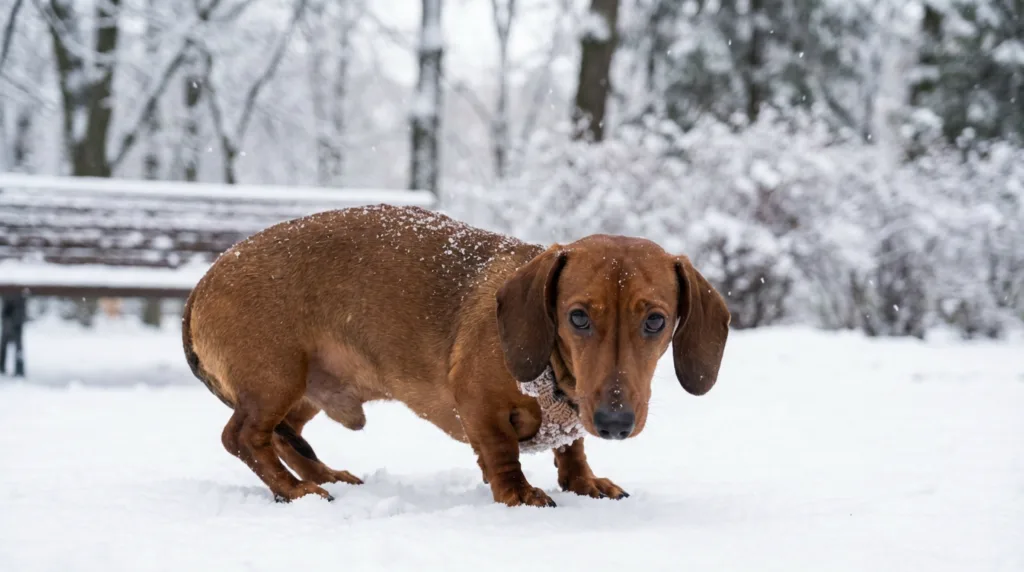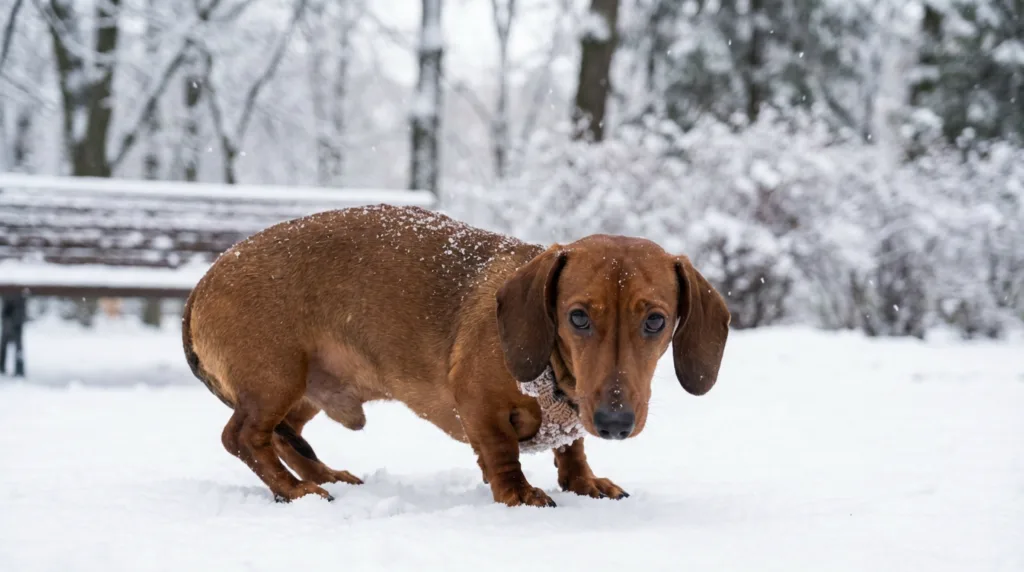

Winter Woes: Keeping Your Dachshund’s Joints Happy and Healthy
Hey there, fellow Dachshund lover! 👋 If you’re reading this, you probably have a wonderful, long-backed companion snuggled up somewhere nearby. I’ve shared my life with these charismatic little dogs for over a decade, and if there’s one thing I’ve learned, it’s that their joints need a little extra TLC, especially when the temperature drops.
Winter can be a tricky time for our low-riders. The cold weather, coupled with cozy indoor heating and a natural tendency to be less active, can really stiffen up those delicate spines and joints. It’s heartbreaking to see your usually spunky pup hesitant to jump on the couch or looking a bit creaky when they first get up. But don’t you worry! With some proactive care, we can help our sausage dogs navigate the winter months with much more comfort and a lot less “ouch.” Let’s dive in.
Why Winter is Tough on a Dachshund’s Body
First, it helps to understand what’s going on inside your doxie when the frost sets in. It’s not just in their heads, there are real, physical reasons for their discomfort.
- The Cold Factor: Cold weather causes blood vessels to constrict to conserve heat. This means less blood flow to muscles and joints, which can lead to increased stiffness and pain. Think of it like an old hinge that gets harder to move in the cold.
- The “Couch Potato” Effect: Let’s be honest, when it’s chilly and dark outside, we all move less. Our Dachshunds are no different! Reduced activity leads to weaker supporting muscles, which puts more strain on the joints themselves. It’s a vicious cycle: it hurts to move, so they move less, which makes it hurt more.
- Indoor Heating Drama: This one is sneaky. While we crank up the heat to stay warm, the dry air can dehydrate your dog’s body, including the cartilage in their joints which relies on water for cushioning. The constant shift between a warm, dry house and the cold outside can also cause muscles to tense up.
- For Our Senior Sausages: If you have an older teckel, these issues are amplified. Years of life and the natural wear-and-tear on their unique structure mean their joints are simply more vulnerable.
When to Ring the Vet 📞
It’s crucial to know when home care isn’t enough. Please call your veterinarian if you notice any of these red flags.
- Your dog is yelping or crying in pain.
- They are dragging their back legs or can’t support their weight.
- There’s a sudden loss of bladder or bowel control.
- They are completely unwilling to move or eat.
- You notice significant swelling or a hot spot on their back or neck.
Early intervention is key, especially with IVDD (Intervertebral Disc Disease), a common and serious condition in the breed.
Your Step-by-Step Winter Joint Care Plan
Okay, now for the good stuff, the practical, actionable steps you can take to make a world of difference for your furry friend.
Step 1: Create a Cozy, Joint-Friendly Environment
Start right where your Dachshund spends most of their time. A few simple changes can reduce a lot of daily strain.
- Orthopedic Beds are a Must: Ditch the thin mats. Invest in a high-quality, memory foam orthopedic bed that supports their entire spine and joints. Place it in their favorite sleeping spot.
- Ramps, Ramps, Ramps! 🛣️ This is non-negotiable. Get ramps or pet stairs for the sofa and your bed. Every jump down is a huge jolt to their long spine. My rule is: “No jumping on, and absolutely no jumping off.”
- Draft-Free Zones: Make sure their bed isn’t on a cold floor or in a drafty area. A warm, padded surface is best.
Step 2: Master the Art of Winter Exercise
We can’t just skip walks, but we can be smarter about them.
- Short & Sweet Walks: Instead of one long walk, try two or three shorter ones. This keeps muscles warm and joints mobile without overdoing it.
- Embrace Indoor Play: On brutally cold days, get creative inside. A short game of “find the treat” (hide treats around the room for them to sniff out) is fantastic mental and light physical stimulation. Gentle tug-of-war with a soft toy (keeping their neck straight) is another good option.
- Warm-Up & Cool-Down: Before a walk, do a gentle “puppy massage.” Rub their legs, shoulders, and back to get the blood flowing. When you get home, dry them off thoroughly with a warm towel and let them rest on a warm bed.
Step 3: Nutrition and Supplement Support
What goes into your Dachshund plays a big role in how their joints feel.
- Weight Watch is CRITICAL: Extra weight is public enemy #1 for Dachshund joints. Every extra pound puts immense pressure on their spine. In winter, with less activity, it’s easy for them to gain weight. Keep a close eye on their waistline and adjust food accordingly.
- Consider Joint Supplements: Talk to your vet about adding a joint supplement. Look for ones containing:
- Glucosamine & Chondroitin: Building blocks for cartilage.
- Omega-3 Fatty Acids (Fish Oil): Natural anti-inflammatories. A game-changer for my senior boy!
- MSM: Supports joint flexibility and reduces inflammation.
| Supplement Type | Potential Benefit |
|---|---|
| Glucosamine/Chondroitin | Helps rebuild and protect cartilage cushioning the joints. |
| Omega-3 Fish Oil | Reduces overall inflammation in the body and joints. |
| Green-Lipped Mussel | A natural source of Omega-3s and other joint-supporting nutrients. |
Step 4: Pampering and Pain Relief
Sometimes, they need a little extra help to feel comfortable.
- The Winter Wardrobe: I’m not just talking about fashion! A well-fitting sweater or coat does two things: it keeps their muscles warm and loose, and it keeps their body from having to burn extra calories to stay warm. Look for one that covers their back fully.
- Warm Compresses: If your doxie seems particularly stiff after a walk, a warm (not hot) compress placed gently on their back or hips for 5-10 minutes can work wonders.
- Physical Therapy & Laser Therapy: For dogs with known joint issues, ask your vet about physical therapy exercises you can do at home or even cold laser therapy, which can reduce pain and inflammation.
Pro Tip:
Keep a dedicated “paw towel” by the door. When you come in from a walk, wipe their paws and belly to remove any ice, salt, or chemical de-icers, which can be toxic and irritate their skin.
Final Words of Encouragement
Living with and caring for a Dachshund is a joyful journey, but it does come with the responsibility of protecting their most vulnerable asset—their back. Winter doesn’t have to be a season of discomfort for your little friend. By being observant, proactive, and making these small adjustments to your routine, you can significantly improve their quality of life.
You know your dog better than anyone. You’ll notice the little signs, the slight hesitation, the slower gait. Listen to them. Your love and attentive care are the best medicine they could ever have. Stay warm, stay vigilant, and give your long-backed buddy a gentle scratch from me. ❤️
What’s one small change you’ve made this winter that your Dachshund seems to love?